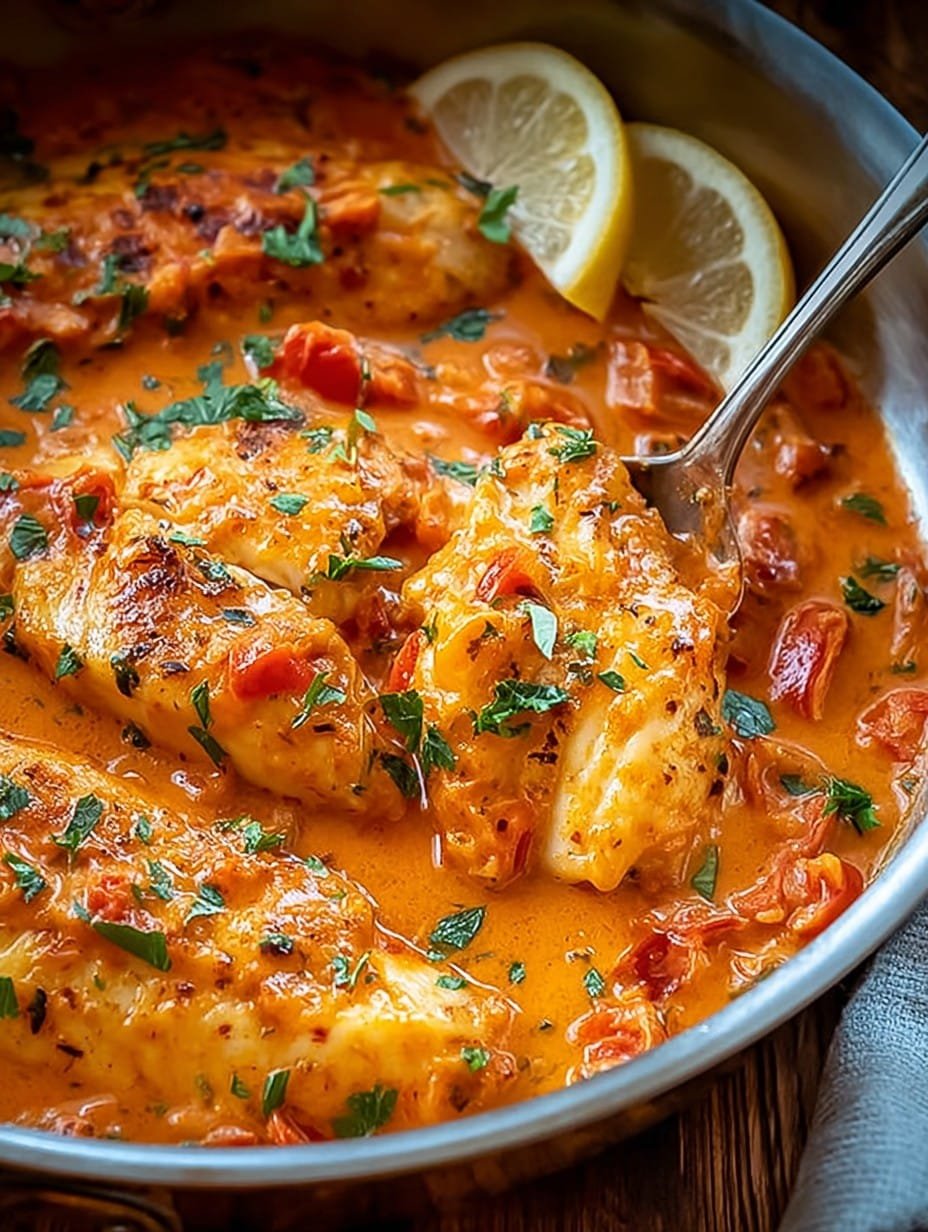
Let Me Tell You Why Tilapia in Roasted Pepper Sauce is My Go-To
If you ask my sister, she’ll tell you I make this Savor Tilapia in Roasted Pepper Sauce way too often, but really, can you blame me? The first time I whipped this together, it was after an epic fridge clean-out (one of those nights where you find three half-used jars of roasted peppers and silently judge yourself). There’s something so comforting about spooning this sauce over a tender bit of fish – also, easier clean-up, since I can usually get away with just two pans. Win!
Why You’ll Love This Honestly? It’s a Weeknight Lifesaver
I make this when I want something that tastes fancy, but doesn’t take ages – especially when the weather’s having one of those days. My family goes mad for the peppers (my son even says it’s “restaurant sauce”) and, you know, even my picky old neighbor Harold had seconds. Sometimes the sauce turns out thicker than I meant, but nobody ever complains, so whatever works! Oh, and if you ever tried to grill fish and it welded itself to the pan, this is miles easier, I promise.
Ingredients You’ll Need (And Some Swaps I’ve Actually Used)
- 4 tilapia fillets (fresh or thawed – salmon works if I forget to grab tilapia; cod holds up but gets a bit dense)
- 1 large jar (about 450g or a big handful) of roasted red peppers, drained (sometimes I roast my own, but not on Mondays!)
- 1 small onion (yellow or sweet – red onion gets a bit intense here, but hey, if that’s what you have…)
- 3 cloves garlic (I cheat with jarred minced garlic when I’m lazy; nobody seems to notice)
- 200ml heavy cream (or half-and-half when I’m pretending it’s lighter)
- 2 tablespoons olive oil (but sunflower oil will do in a real pinch; my gran always said “only olive!” – but she also wore pearls to the supermarket)
- Juice from half a lemon (or sometimes just a splash of white wine if a bottle’s open, which, to be honest, is most Fridays)
- Small handful of fresh parsley (dried works. It’s just not as perky)
- Salt and pepper to taste – start light, taste as you go
How I Actually Make Savor Tilapia in Roasted Pepper Sauce
- Pat your tilapia fillets dry with paper towels and give them a good sprinkle of salt and pepper on both sides. (This is where my cat usually tries to steal a fillet—watch your backs!)
- Get a large nonstick skillet nice and warm over medium-high. Add a tablespoon of olive oil, let it shimmer. Lay your fillets in – don’t fuss with them for a minute or two, or they’ll stick and tear. About 2—3 min on the first side, flip, then another minute or two. Transfer them gently to a plate. Don’t panic if they break, it all gets sauce anyway.
- Lower the heat a tad (medium-low), add the rest of your olive oil and toss in the onions. Sometimes the pan still sizzles so loud I think I’m burning things (I’m not, promise!). Cook until soft; 4–5 minutes.
- Stir in the garlic, just until it smells amazing; not long, maybe 30 seconds. Then, add the roasted peppers – chopped roughly, or even blitzed if you hate chunky bits. Let everything get cozy for another few minutes (and this is where I always taste a bit – chef’s tax, right?).
- Pour in cream, give it a slow stir, squeeze in your lemon juice, and let it bubble until a bit thick. If it looks odd at this stage, don’t stress. It always comes together. Actually, it’s better a touch runny than gluey, in my book.
- If you want it smooth, you can blitz the sauce with a stick blender right in the pan. Or not. I like it with some texture, unless company’s coming and I want to look impressive.
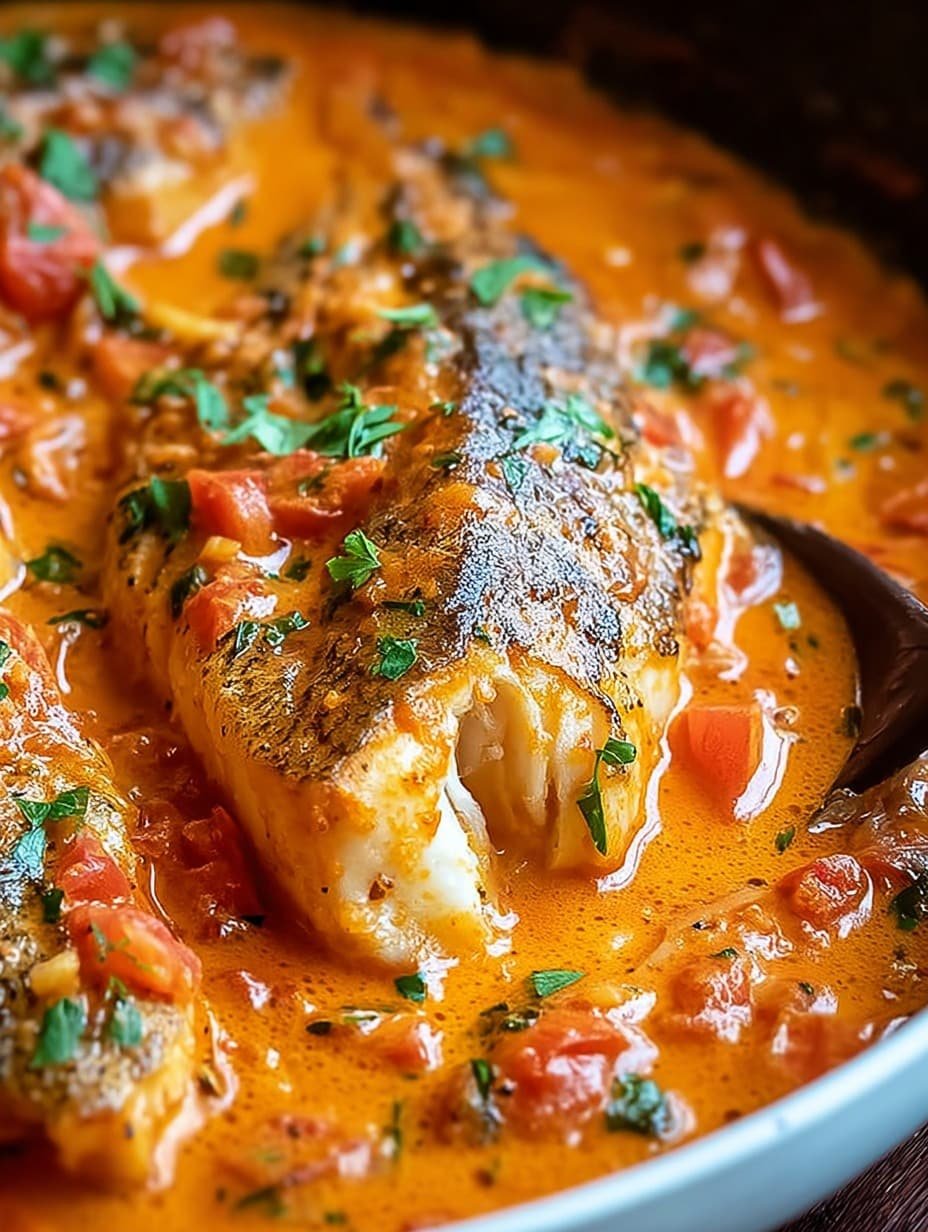
- Slide your tilapia fillets gently back into the pan, spoon the sauce over, and simmer everything for 2–3 minutes, just to let the flavors be mates.
- Shower with chopped parsley just before serving – my daughter says this is “the green part that makes it pretty.” Totally optional.
Things I’ve Figured Out (Usually the Hard Way)
- Trying to rush the sauce on high heat just curdles the cream. Ask me how I know. Go slow, it’s worth it.
- If your fish flakes apart, shrug and call it “rustic.” Nobody will care once the sauce hits.
- Any leftover sauce is honestly brilliant on pasta, so I make extra on purpose now.
Variations I’ve Monkeyed Around With
- I’ve done this with chicken breast when we were out of fish—worked fine, but takes longer to cook through.
- One time I tried Greek yogurt instead of cream: total flop, it separated and looked a right mess. Tasted okay, but not pretty at all.
- Roasted poblano peppers make for a lovely, earthier version when you feel a bit Tex-Mex-ish.
Equipment Stuff (Don’t Stress if You’re Missing Something)
I do love using my big nonstick sauté pan for this—cleanup is a breeze. But honestly? A deep frying pan or even a wide pot works. Heck, I’ve even cobbled this together in a battered old cast iron (a bit heavy, but forgivable). If you don’t have a stick blender, just mash things with a fork, or skip pureeing altogether for a more homey look.
How I Store This (Though There’s Usually Not Much Left)
Pop leftovers in an airtight container and refrigerate up to two days. Sauce will thicken a bit overnight, which I think makes it tastier. Warm up gently (nuking’s fine in a pinch, just cover to dodge splatters). But, truthfully? In my house, this rarely makes it past lunch the next day.
The Ways We Serve Tilapia in Pepper Sauce Here
I love plopping this over garlicky rice or a hunk of crusty bread to mop up the sauce. My cousin swears by mashed potatoes on the side, which, come to think of it, is weirdly great. If you’re feeling fancy, roast a tray of mixed veg in the oven while the fish cooks. And a cold salad—maybe a tomato and cucumber situation—never goes amiss here.
Pro Tips I’ve Earned The Hard Way
- I once tried crowding too many fillets in the pan—ended up poaching instead of sautéing. Avoid. Give them a bit of space.
- Letting the sauce sit even 15 mins before serving—just off the heat—really rounds out the flavors. It’s like the ingredients shake hands before you eat.
- If you over-salt, thin with a bit of milk or a splash of stock. Happened to me more than I care to admit.
Some FAQs from Friends Who’ve Tried It (Yes, Really)
- Can I use frozen tilapia right from the freezer?
- Nope (tried once and it’s just a soggy mush). Always thaw and pat dry, trust me.
- Can I make the sauce ahead?
- Absolutely! Reheat slowly; if it splits, a whisk saves you. Also, it’s actually better the next day if you ask me.
- Do the leftovers freeze well?
- Sort of – the sauce does; the fish not so much. It dries out, gets a bit sad. But the sauce is brilliant frozen and reheated for pasta or veggies.
- Any good sides?
- Try fluffy rice (I use this method), or get some inspiration for roasting veggies from Cookie and Kate.
- Is it spicy?
- Not really, unless you go wild with the pepper. A pinch of smoked paprika is good though if you want some warmth.
Oh, totally off-topic: once, while making this, my cat actually stole a roasted pepper slice. Apparently she likes this sauce too; just mind your prep area if you’ve got whiskered thieves at home.
Ingredients
- 4 tilapia fillets (about 5–6 oz each)
- 1 tablespoon olive oil
- 1/2 teaspoon salt
- 1/4 teaspoon black pepper
- 1 jar (12 oz) roasted red peppers, drained
- 2 cloves garlic, minced
- 1/2 cup heavy cream
- 1/2 teaspoon smoked paprika
- 2 tablespoons fresh parsley, chopped
Instructions
-
1Pat tilapia fillets dry and season both sides with salt and black pepper.
-
2Heat olive oil in a large skillet over medium-high heat. Add tilapia fillets and cook for 3-4 minutes per side or until golden and cooked through. Transfer to a plate and keep warm.
-
3In the same skillet, add minced garlic and sauté for 30 seconds until fragrant.
-
4Add roasted red peppers and smoked paprika. Cook for 2 minutes, then transfer mixture to a blender or use an immersion blender to puree until smooth.
-
5Return the pepper puree to the skillet and stir in the heavy cream. Simmer for 3-4 minutes until the sauce is slightly thickened.
-
6Return tilapia fillets to the skillet, spoon the roasted pepper sauce over the fish, and heat for 1-2 minutes. Sprinkle with fresh parsley before serving.
Approximate Information for One Serving
Nutrition Disclaimers
Number of total servings shown is approximate. Actual number of servings will depend on your preferred portion sizes.
Nutritional values shown are general guidelines and reflect information for 1 serving using the ingredients listed, not including any optional ingredients. Actual macros may vary slightly depending on specific brands and types of ingredients used.
To determine the weight of one serving, prepare the recipe as instructed. Weigh the finished recipe, then divide the weight of the finished recipe (not including the weight of the container the food is in) by the desired number of servings. Result will be the weight of one serving.
Did you make this recipe?
Please consider Pinning it!!