Alright, let me tell you about my ongoing love affair with Sago Pudding. It all started with a half-forgotten family dinner — one of those where everyone brings a dish, my aunt brings her drama, and someone always forgets the napkins. My mum, a tiny dynamo armed with an old wooden spoon, used to make sago pudding as her secret weapon when she wanted to win everyone over (it always worked). There’s something so deeply cozy about pudding bobbing with those funny little sago pearls — like edible bubble wrap! Anyway, I botched it the first time (note to self: sago likes to stick if you walk away to chase the neighbour’s cat) but now I’ve got it, it’s pretty much a staple whenever comfort food calls my name.

Why You’ll Love This (Or, Why I Keep Making It)
I make this when the mood for nostalgia strikes — or let’s be honest, when I want a dessert that looks fancier than it actually is. My family goes mad for this because it’s not too sweet, but creamy enough to feel a bit decadent. Plus, there’s this magic: just when you think you’ve overcooked it, it sets up like a dream. Oh, and don’t get me started on the vanilla, the smell alone is like a warm hug (unless you’re weird and don’t like vanilla, in which case… have you tried adding cardamom?). For some reason, sago pudding never makes me feel guilty for those second helpings.
Ingredients (My Take, With Options)
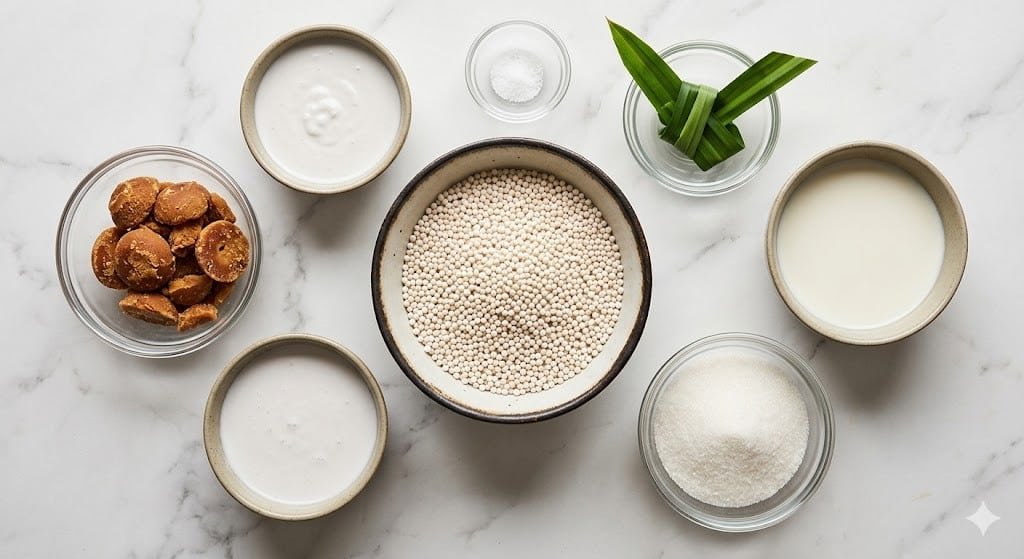
- 3/4 cup (about 125g) sago pearls (the tiny kind – but I’ve used the slightly bigger ones too when that’s all I found, just cook a bit longer)
- 3 cups whole milk (full fat tastes best, but honestly, I’ve used oat milk and nobody even noticed)
- 1/3 cup sugar (granulated, but once I tried coconut sugar, and it turned out a little caramelly and oddly fantastic)
- 1/4 teaspoon salt (grandma said it was crucial, and on this she’s right)
- 1 large egg (optional – makes it extra custardy, sometimes I skip if I’m short or a bit lazy)
- 1 teaspoon vanilla extract (real if you have it, but honestly, supermarket stuff is just fine)
- Butter for greasing (the tiniest bit – sometimes I just use cooking spray, it’s not a big deal)
- Cinnamon or nutmeg for sprinkling (totally optional, but my uncle insists pudding needs a little dusting on top – I humor him)
How I Actually Make Sago Pudding
- Soak your sago: Rinse the sago pearls under cold water – this step gets rid of excess starch. Then soak them in enough cold water to cover by a couple of inches. Let them sit about 30 minutes, give or take. (If I’m in a hurry, I skip straight to step two, but they cook more evenly if they soak.)
- Butter the dish: While sago is lounging, butter (or spray) your baking dish or casserole (about 1.5-quart, but honestly, I’ve crammed it into whatever ovenproof thing was closest, and it survived)
- Scald the milk: Heat the milk in a largish saucepan until it’s steaming but not boiling, like you’re about to make fancy hot chocolate. Don’t wander off or it’ll get that weird skin, which nobody likes.
- Stir in drained sago: Drain sago and drop it into the hot milk. Stir constantly over medium-low heat. It’ll turn kind of translucent after 10-12 minutes, just a bit like little frogs eggs. (Don’t panic at this stage, it always looks weird.)
- Add sugar and salt: Chuck in the sugar and salt; keep stirring until everything’s homogenous and bubbly. This is where I usually sneak a taste (a tiny one). Careful, it’s molten!
- Temper the egg (if using): Whisk egg in a small bowl. Grab a spoonful of hot mixture and slowly whisk it into the egg (so you don’t end up with scrambled bits). Pour egg mix back into the pot, stirring like mad. If you skip the egg, just carry on like nothing happened.
- Add the vanilla: Off the heat, add vanilla. Breathe it in. (Sometimes I linger just for the smell.)
- Pour and bake: Pour everything into your buttered baking dish, sprinkle with cinnamon or nutmeg (if you want). Bake uncovered at 350 F (180 C) for 25-30 minutes. It should be softly set and just jiggly in the center. If it looks runny, give it another 5 mins — but don’t let it dry out.
- Cool and serve: Let it rest for 10 minutes, even if you’re impatient (stream it on the telly to distract yourself). Serve warm, cold, or somewhere in-between.
Some Notes (I’ve Messed This Up So You Don’t Have To)
- Don’t skip soaking unless you’re okay with it taking forever to cook properly (my first attempt took ages – lesson learned).
- If you accidentally overcook, it forms a sort of sago brick. Not inedible, just… chewy.
- I think this tastes even better the next day once it firms up in the fridge, but that’s only if you have leftovers.
What I’ve Tried (And One Fail, Oops)
- Pandan: I tossed a pandan leaf in with the milk once—wow, delicious! Subtle, grassy, like a tropical vacation.
- Coconut milk: Swapped half the milk for coconut milk; it was rich, so use less sugar.
- Cardamom: Once I chucked in a few crushed cardamom pods. Nice, but pick them out before eating—it’s like biting a tiny perfume bottle otherwise.
- Lemon zest: Oddly, didn’t work (tasted like pudding with a cleaning product mixed in; you’ve been warned)

Gear & Shortcuts
A heavy-bottomed pan is great so the sago doesn’t scorch, but I once borrowed my cousin’s flimsy one and just stirred more. No whisk? Just use a fork with attitude. I said to butter the dish, but I’ve used a bit of oil in a pinch – honestly, no pudding police came knocking.
Saving (Or Not) Sago Pudding
It keeps in the fridge for about 2-3 days — though honestly, in my house it rarely even lasts the night. Cover it tightly if you want to keep it smooth, otherwise it might dry out and get that funny pudding skin my brother likes for some reason.
The Best Ways I’ve Served It
I love it warm with a glug of cream on top (not essential, but who’s counting calories at this point), or a handful of fresh berries if I’m trying to pass Sago Pudding off as slightly healthy. Sometimes we even eat it for breakfast on a lazy Sunday. I once brought it to a BBQ and people just sort of shrugged, but one friend texted me for the recipe later. So, success?
Real-Life Tips (I’ve Rushed It, Don’t Be Me)
- Don’t try to skip the stirring bit. I tried multitasking once (never again), and the bottom burnt to a crisp. Charcoal is not a flavor here.
- If the egg curdles, just pretend it’s “rustic.” People will still eat it, promise.
- Actually, I find it sets up firmer if you let it cool for at least 30 minutes, so you can slice it like cake. Or just spoon it, no shame in that.
Questions I’ve Been Asked (No Silly Questions Here!)
- Can I make this dairy-free? Yep—oat milk, almond milk, or coconut work. Coconut is my favorite for extra richness.
- Is it the same as tapioca pudding? Pretty close! Sago and tapioca are cousins, but the pearls are a little different. Honestly, in a pinch I’ve swapped them.
- Help, my sago stayed white and chalky! It just needs a little more time. Don’t up the heat, just keep stirring and be patient (trust me).
- Do I really need to add the egg? Nope, it thickens more with the egg but is lovely without. I skip it sometimes when I run out or forget.
- Can I double this? For sure. Just use a bigger dish and maybe add 5-10 minutes to the baking time. Or don’t and risk the “crusty edge” bits, which some people consider the best part.
And — oh, this is random — but if you ever find yourself with leftover sago pudding and a sudden craving, it’s actually brilliant cold, cut into squares, and dusted with icing sugar. But that’s a story for another day…
Ingredients
- 3/4 cup (about 125g) sago pearls (the tiny kind – but I’ve used the slightly bigger ones too when that’s all I found, just cook a bit longer)
- 3 cups whole milk (full fat tastes best, but honestly, I’ve used oat milk and nobody even noticed)
- 1/3 cup sugar (granulated, but once I tried coconut sugar, and it turned out a little caramelly and oddly fantastic)
- 1/4 teaspoon salt (grandma said it was crucial, and on this she’s right)
- 1 large egg (optional – makes it extra custardy, sometimes I skip if I’m short or a bit lazy)
- 1 teaspoon vanilla extract (real if you have it, but honestly, supermarket stuff is just fine)
- Butter for greasing (the tiniest bit – sometimes I just use cooking spray, it’s not a big deal)
- Cinnamon or nutmeg for sprinkling (totally optional, but my uncle insists pudding needs a little dusting on top – I humor him)
Instructions
-
1Rinse the sago pearls under cold water – this step gets rid of excess starch. Then soak them in enough cold water to cover by a couple of inches. Let them sit about 30 minutes, give or take. (If I’m in a hurry, I skip straight to step two, but they cook more evenly if they soak.)
-
2While sago is lounging, butter (or spray) your baking dish or casserole (about 1.5-quart, but honestly, I’ve crammed it into whatever ovenproof thing was closest, and it survived)
-
3Heat the milk in a largish saucepan until it’s steaming but not boiling, like you’re about to make fancy hot chocolate. Don’t wander off or it’ll get that weird skin, which nobody likes.
-
4Drain sago and drop it into the hot milk. Stir constantly over medium-low heat. It’ll turn kind of translucent after 10-12 minutes, just a bit like little frogs eggs. (Don’t panic at this stage, it always looks weird.)
-
5Chuck in the sugar and salt; keep stirring until everything’s homogenous and bubbly. This is where I usually sneak a taste (a tiny one). Careful, it’s molten!
-
6Whisk egg in a small bowl. Grab a spoonful of hot mixture and slowly whisk it into the egg (so you don’t end up with scrambled bits). Pour egg mix back into the pot, stirring like mad. If you skip the egg, just carry on like nothing happened.
-
7Off the heat, add vanilla. Breathe it in. (Sometimes I linger just for the smell.)
-
8Pour everything into your buttered baking dish, sprinkle with cinnamon or nutmeg (if you want). Bake uncovered at 350 F (180 C) for 25-30 minutes. It should be softly set and just jiggly in the center. If it looks runny, give it another 5 mins — but don’t let it dry out.
-
9Let it rest for 10 minutes, even if you’re impatient (stream it on the telly to distract yourself). Serve warm, cold, or somewhere in-between.
Approximate Information for One Serving
Nutrition Disclaimers
Number of total servings shown is approximate. Actual number of servings will depend on your preferred portion sizes.
Nutritional values shown are general guidelines and reflect information for 1 serving using the ingredients listed, not including any optional ingredients. Actual macros may vary slightly depending on specific brands and types of ingredients used.
To determine the weight of one serving, prepare the recipe as instructed. Weigh the finished recipe, then divide the weight of the finished recipe (not including the weight of the container the food is in) by the desired number of servings. Result will be the weight of one serving.
Did you make this recipe?
Please consider Pinning it!