Pork Stew: Like a Hug in a Bowl
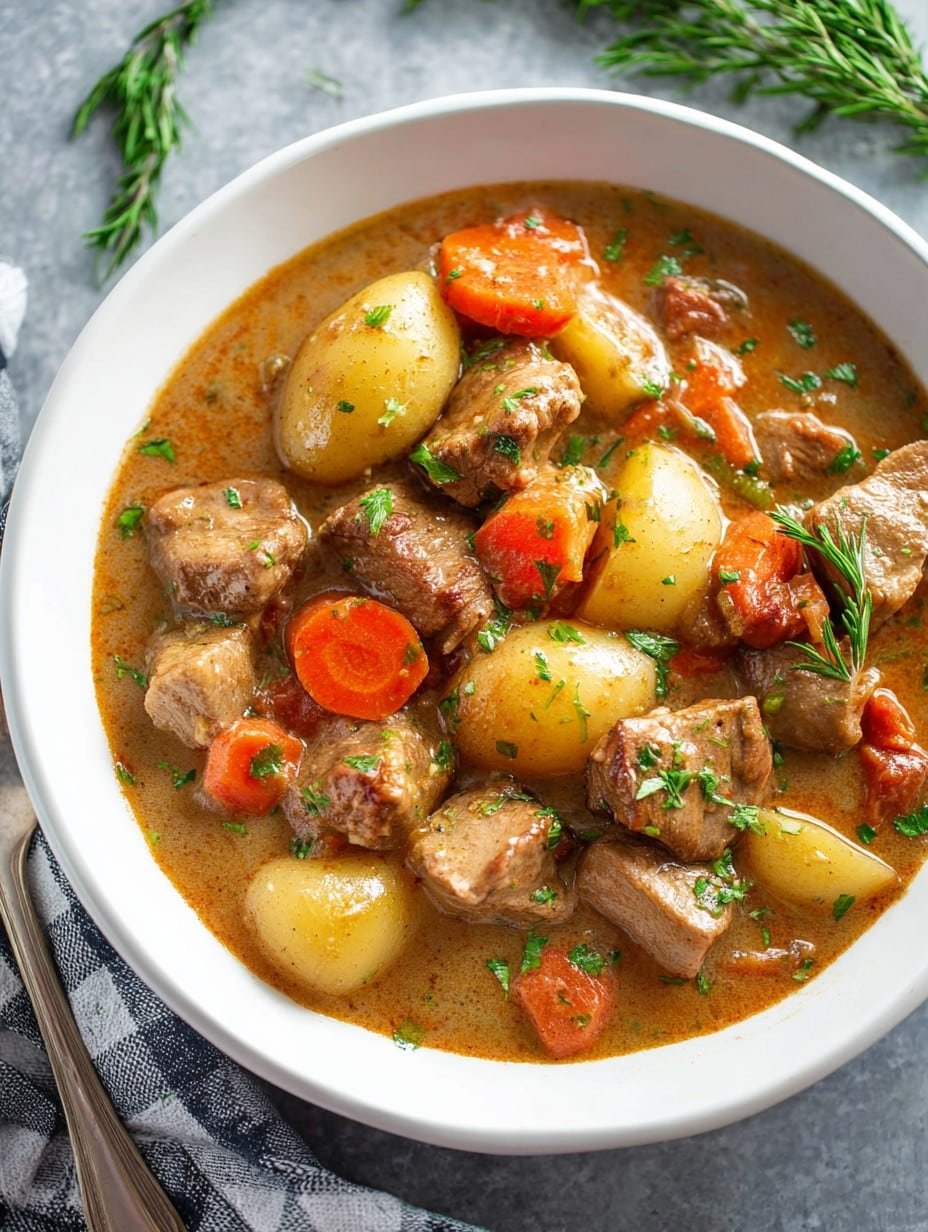
Alright, I’m just going to say it, there’s nothing quite like pork stew bubbling away on a rainy Sunday. That’s when my kitchen smells like someone else’s grandmother’s house, the kind where you want to plop down and annoyingly hover until dinner is served. The first time I made it, I almost set off the smoke alarm—don’t ask how—but now it’s my fall-back whenever I want edible comfort (and something to brag about at work the next day). If you mess up, just pretend you planned it that way. That’s half my cooking technique anyway.
Why You’ll Love This (Promise, It’s Worth the Chopping)
I make this when it’s cold or I want to clear out my fridge (veggies hiding in the crisper, I see you). My family goes crazy for it because it thickens up and gets better every time you reheat it, which is magic—plus you really can’t ruin it unless you totally forget about it. There was that one time I used sweet potatoes instead of regular; my kid grumbled, but then asked for seconds. Honestly, sometimes it’s even an excuse to use the biggest pot in the cupboard. You know the one.
So, Here’s the Shopping List (and a Few Cheats)
- About 2 pounds (1kg-ish) pork shoulder or butt, cut into chunky cubes (my butcher swears by shoulder, but you do you—pork loin works if you like it leaner)
- 1 large onion, diced (red onion gives it a little sweetness; my grandmother would have rolled her eyes)
- 3-4 garlic cloves, minced (in a pinch, yeah, use the stuff from a jar)
- 3 carrots, sliced into rounds (or whatever veg are in sad shape)
- 2-3 potatoes, peeled and cut up (sometimes I leave the skins on—nobody’s noticed)
- 2 celery sticks, chopped (optional, but I always throw them in if I have ’em)
- 1 red bell pepper, diced (green works too if that’s what’s hiding in your fridge)
- 2 tbsp all-purpose flour (or cornstarch if you’re gluten free, which I tried once and it turned out fine)
- 3 cups chicken or beef stock (I use store brand; my uncle insists homemade, but who has the time?)
- 1 can (14oz) diced tomatoes
- 1 tsp smoked paprika (sometimes I use regular, sometimes I skip this if I can’t find it—no one’s the wiser)
- 1/2 tsp dried thyme (fresh is snazzy if you’ve got it—if not, no stress)
- 1 bay leaf (don’t eat it)
- Salt and pepper, just a pinch at first
- Olive oil for browning (vinegar works in a pinch for some flavor tang, but that’s a gamble)
Making It: My Sometimes-Messy Directions
- Heat a big ol’ splash of olive oil in your heaviest pot (Dutch oven works best, but seriously, I’ve made this in a soup pot I got at a garage sale). Brown the pork in batches—don’t crowd the pan, or it’ll just steam. This is where I usually sneak a taste—no judgment. Take the browned meat out and set aside (on a plate or, honestly, just a bowl if all your plates are in the dishwasher).
- Throw in the onions and cook until soft, scraping up those tasty brown bits (those are ‘the good stuff’, as my dad calls it). Add garlic; stir until fragrant, but don’t burn it—burnt garlic is a crime against dinner.
- Toss in your carrots, celery, and bell pepper. Stir a bit and let it get friendly with the onions. Sprinkle on the flour, stir around so it makes a lumpy mess (it’ll smooth out later, trust me).
- Pour in the stock, diced tomatoes, spices, and that one rogue bay leaf. Add back the pork (and all its juices—that’s flavor, baby). Chuck in the potatoes. If it looks too thick, add a splash more stock or water. Not thick enough? Actually, I find it works better if you don’t fret now—the potatoes will help.
- Lower the heat, lid on, and let it gently burble away for 1.5 to 2 hours. Check it once in a while so it doesn’t stick; you want the pork so soft you don’t need a knife. By the end, fish out that bay leaf. Taste for salt and pepper. (Go ahead, sneak another taste—I do.)
Notes I Learned the Hard Way
- The longer this sits, the tastier. I think this tastes better the next day. If you can wait (I rarely can), you’re in for a treat.
- If it seems too liquidy at first, don’t panic, it thickens as it cools. Or if not, just call it ‘rustic soup’ and serve crusty bread. Worked for me.
- Pork shoulder is forgiving—honestly, don’t fuss too much about the exact cut.
Some Variations (and a Fail or Two)
- Once, I added a splash of apple cider near the end. That was actually pretty great. Gave it a sort of sweet tang.
- Sweet potatoes instead of regular: solid option. Kid moaned, then went back for thirds.
- Don’t try green beans. They turn mushy and weird. There, I saved you from that learning curve.
- Spicy fan? Add a chopped jalapeño, but be careful—one time, I went overboard, and got an earful from the whole crew.
About the Gear—But Don’t Sweat It
Dutch oven is classic, but if you just have a big stew pot, that’s fine. I mean, I once used a slow cooker—just brown things on the stove first, then dump it all in and set for 6 hours on low. No Dutch oven? Any big pot with a lid will do. I saw a friend use an Instant Pot following these directions, and it turned out fine (though I like mine with more stubborn chunks).
Leftovers—If You Somehow Have Any
I store this pork stew in one of those mismatched Tupperware containers. In the fridge, it’s good for up to three days, probably (though honestly, in my house it never lasts more than a day!). I have frozen it in the past, and it rewarms just fine. If you freeze it, let it thaw in the fridge overnight before reheating, or risk burning the edges in the microwave. I once forgot and it was still fine, but the potatoes turned mealy (live and learn).
How We Serve It (Totally Optional, But This Is My Way)
I love to serve this with a hunk of crusty white bread—baguette if you’re feeling French; even a toasted sandwich roll if you forgot to shop. Some people dollop sour cream on top; my brother swears by a pickle on the side (weird, I know). Sometimes I stir in a handful of chopped parsley for a little color—totally optional, just if you want to impress anyone.
Things I’ve Learned (The Hard Way, Usually)
- Don’t rush browning the pork. I once tried skipping this because I was hangry, and yeah, the stew was fine, but it just didn’t have the depth of flavor. Trust me, it’s worth the extra five minutes.
- Always taste at the end, especially if you went rogue with the stock or tomatoes. Sometimes it needs a pinch of sugar to mellow out the acidity—no shame.
People Actually Ask Me These (No Kidding)
“Can I put this in a slow cooker?”
Yep. Brown your pork and onions in a pan first (adds flavor), then dump everything in, cook on low for 5-6 hours. Don’t skip browning! I mean, you can, but I tried it both ways, and it’s definitely better when you brown first.
“Is it okay if I use pork chops instead?”
Actually, you can. The stew will be leaner. Just keep an eye on cooking time so they don’t get dry.
“My stew is too thin! Help?”
Just let it simmer without the lid, or smush a few potatoes into the broth. Works every time. Or use a cornstarch slurry, but then you have to wash another bowl…
“What do I do if my pork is tough?”
Simmer longer. It softens up eventually—patience, my friend.
“What if I don’t have smoked paprika?”
Skip it. Or add paprika plus a wee pinch of chili powder. Honestly, it’s never stopped me from making this.
And if you want another stew to try out next week, this beef version is not half bad (shh, don’t tell the pork!).
Alright, if you’ve made it this far—nice! Now, go stir your pot, sneak a taste, and if nobody’s looking, dunk that bread early. You made pork stew! Not too shabby.
Ingredients
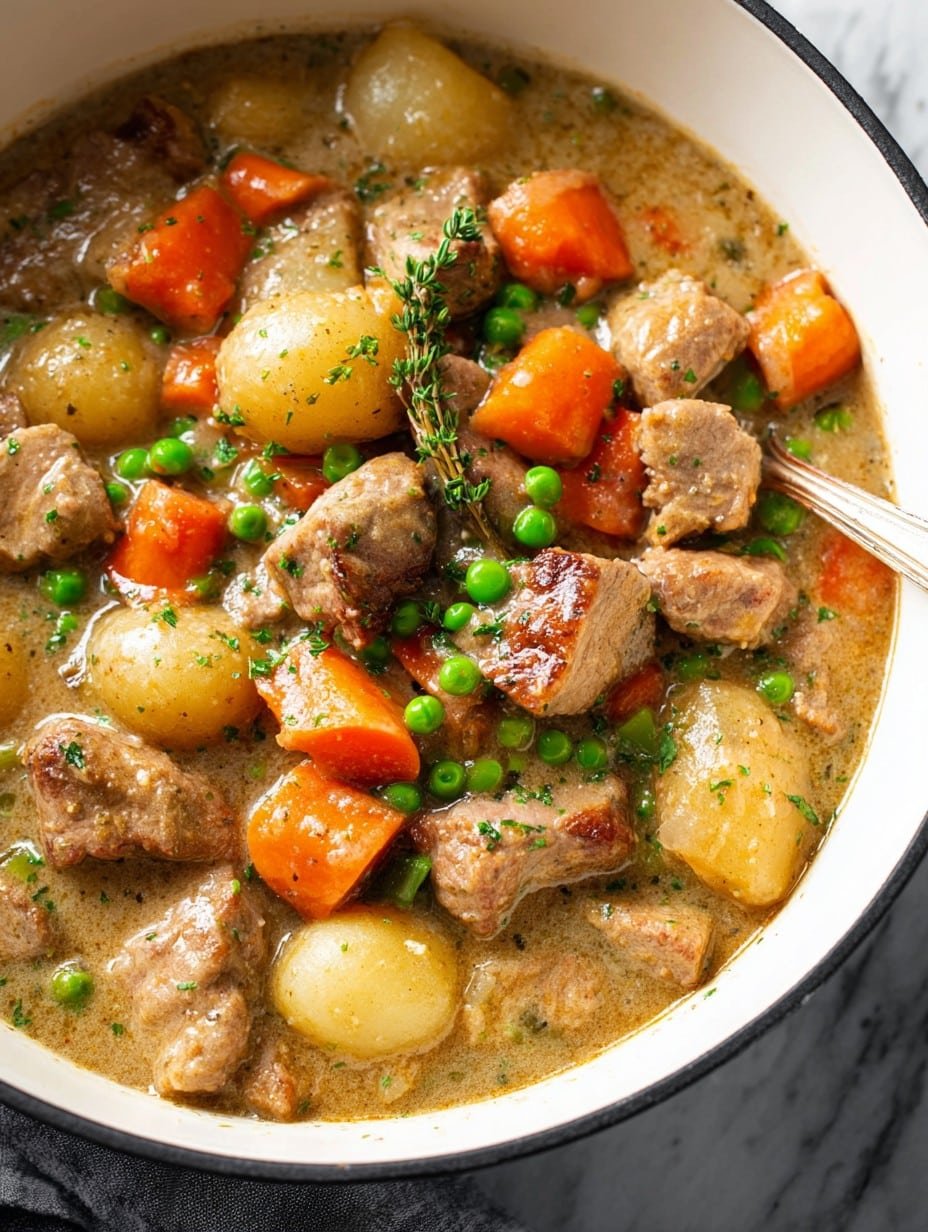
- 2 pounds pork shoulder, cut into 1-inch cubes
- 2 tablespoons olive oil
- 1 large onion, chopped
- 3 cloves garlic, minced
- 3 carrots, sliced
- 3 potatoes, peeled and diced
- 3 cups chicken broth
- 1 tablespoon tomato paste
- 1 teaspoon dried thyme
- 1 bay leaf
- Salt and black pepper to taste
Instructions
-
1Heat olive oil in a large pot over medium-high heat. Add the pork cubes and brown on all sides, about 5-7 minutes. Transfer pork to a plate.
-
2Add the chopped onion and garlic to the same pot. Sauté until fragrant and softened, about 3 minutes.
-
3Stir in the carrots and potatoes. Cook for another 3-4 minutes, stirring occasionally.
-
4Return the browned pork to the pot. Add chicken broth, tomato paste, thyme, bay leaf, salt, and black pepper. Stir to combine.
-
5Bring the stew to a boil, then reduce heat to low. Cover and simmer for 1.5 hours or until pork and vegetables are tender.
-
6Remove the bay leaf, adjust seasoning if needed, and serve hot.
Approximate Information for One Serving
Nutrition Disclaimers
Number of total servings shown is approximate. Actual number of servings will depend on your preferred portion sizes.
Nutritional values shown are general guidelines and reflect information for 1 serving using the ingredients listed, not including any optional ingredients. Actual macros may vary slightly depending on specific brands and types of ingredients used.
To determine the weight of one serving, prepare the recipe as instructed. Weigh the finished recipe, then divide the weight of the finished recipe (not including the weight of the container the food is in) by the desired number of servings. Result will be the weight of one serving.
Did you make this recipe?
Please consider Pinning it!!