Oi Muchim—Or How I Fell in Love with Spicy Cucumber Salad
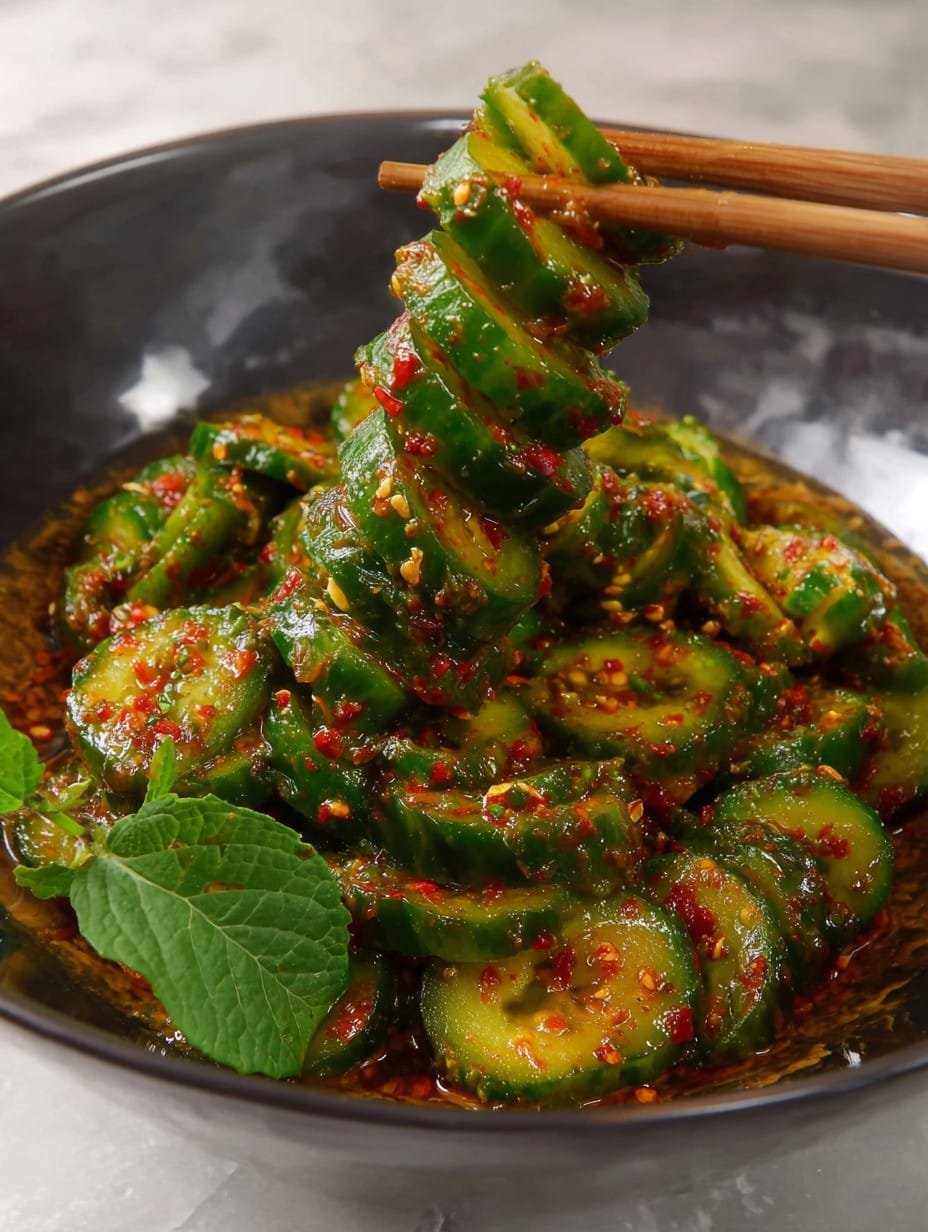
If anyone had told me that cucumbers could be such rock stars on the dinner table, I’d probably have nodded politely and moved on. But then I tried my neighbor Mrs. Kim’s oi muchim at her backyard bbq—the kind where everyone’s elbow-to-elbow, and somehow she always finds a way to keep the beer ice-cold (while I struggle to remember ice at all). Ever since, Oi Muchim—yeah, this zingy Korean Spicy Cucumber Salad—has been my go-to for adding a punch of freshness to basically any meal. Also, it’s heaven on a sticky summer day when you just cannot be bothered to cook. Honestly, sometimes I eat this straight from the mixing bowl standing by the fridge. Shh, no judgment.
This Cucumber Salad’s Addictive—Here’s Why
I make this when the house feels muggy and I want actual refreshment—mostly because no one ever objects to spicy, cool veggies next to grilled meat. My family goes a little nuts for oi muchim because it’s crunchy, has some invitation-level heat (no timid cucumbers here!), and you can throw it together in ten minutes. Actually, on second thought, it usually takes me more like fifteen—’cause I get distracted and end up eating bits as I go. Oh, also, I used to mess up the salt-rest step and the cucumbers would get weirdly floppy, but now I’ve made peace with it; it’s quick, and worth it for the flavor payoff.
What You’ll Need (Feel Free to Swap a Bit)
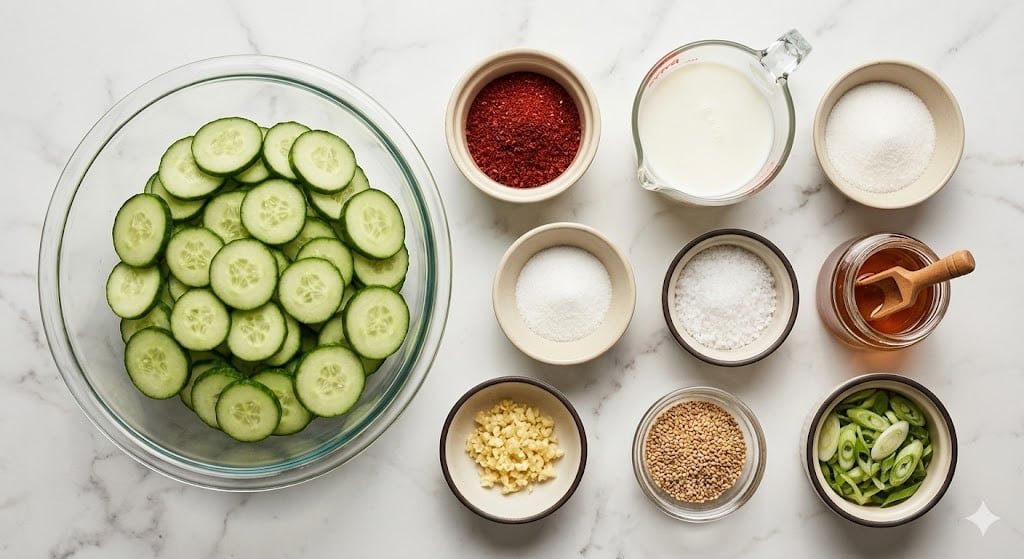
- 2 large seedless cucumbers (English cucumbers are handy, but I’ve even used regular ones—just scoop out the seeds, no biggie)
- 1 tsp sea salt (kosher works, table salt if that’s all you’ve got!)
- 1 tbsp gochugaru (Korean red chili flakes — there’s no perfect substitute, but crushed red chili will do if you must)
- 1½ tbsp soy sauce (I sometimes swap with tamari if Uncle John visits)
- 2 tsp rice vinegar (apple cider vinegar in a pinch, it’s fine, promise)
- 1 tsp sugar (any sugar works, even honey, but not syrup—tried once, regretted it)
- 3 garlic cloves, minced (my grandma swore by fat local garlic, honestly, jarred is okay too)
- 1 tsp sesame oil (the good, toasty-smelling kind)
- 2 scallions, thinly sliced (or chives if that’s what you have left)
- 1 tbsp toasted sesame seeds (optional but yummy—sometimes I use more for crunch)
How I Throw It Together (Plus a Few Small Side Notes)
- Wash the cucumbers and slice them in half lengthwise, then cut into half-moons about a tiny bit less than ½-inch thick (I eyeball it, tbh). Pop them into a colander or big bowl.
- Sprinkle with sea salt and toss well. Let them chill for 15-20 minutes while you fuss with something else (this is where I scroll my phone, oops).
- While the cucumbers are resting, stir together gochugaru, soy sauce, rice vinegar, sugar, minced garlic, sesame oil, scallions, and most of the sesame seeds in a bowl. If you’re brave, taste a drop—it’s spicy, right?
- Next, give the cucumbers a good rinse to get rid of extra salt. Shake off water, or pat dry with a kitchen towel, but don’t stress if you rush a bit here—it still turns out.
- Toss the cukes with the dressing you just made in a big bowl. Make sure everything’s glossy and coated.
- This is the part where I usually sneak a taste. Adjust anything you want—maybe a pinch more sugar for balance, or a dash more vinegar.
- Garnish with the remaining sesame seeds and serve immediately—or pop it in the fridge for a half hour for deeper flavor (though honestly, in my house it rarely lasts that long).
A Few Notes I’ve Discovered (the Hard Way)
- If you forget to rinse the salt off, the salad gets way too salty and a bit, uh, pucker-inducing. Learned that after a rather memorable meal.
- Cucumbers release a ton of water. So if you leave it too long in the fridge it turns soupy. But hey—more juice for rice?
- I think it’s actually a bit tastier the next day, even if it’s a little less crunchy.
- Not all gochugaru is created equal—you might wanna start with less if you’re heat-sensitive.
Variations I’ve Tried—(One Was a Bust!)
- I’ve swapped in thinly sliced radish or carrots, which gives a neat twist—crunchier, with a bit of sweetness.
- Sliced onions totally work, but maybe just a little or it overpowers everything.
- One time I tried using zucchini instead of cucumber—it was, well, weird. Not my smartest move.
- Sometimes I use a squirt of lime in place of vinegar, especially if I’m feeling summery.
Equipment—And Some Practical Improv
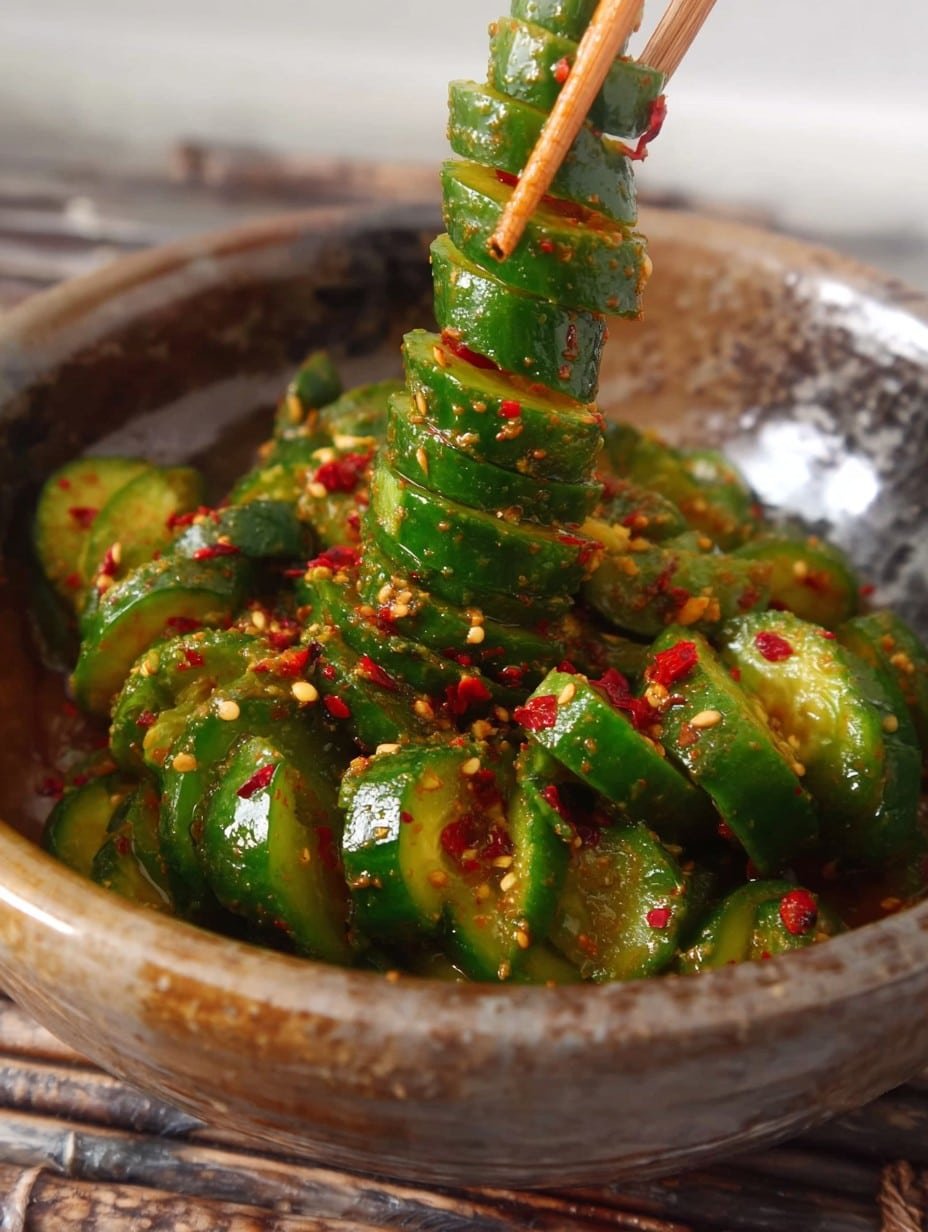
Okay, technically a sharp knife and a decent mixing bowl is all you really need. I’ve used a mandoline for perfectly even slices, but honestly, just chop carefully and you’re fine. No colander? Just use a big sieve, or even lay the salted cucumbers on a clean towel. Improv is half the fun, right?
Storage—But Good Luck Making It Last
Officially, it keeps about one day in the fridge (airtight container and all). I find that after 24 hours it’s a bit more watery but still yummy, especially dumped over some steamed rice. Honestly though, in my house it disappears before I even get back for seconds…
How I Serve It (With Some Fussing and Family Habits)
I plop this next to anything grilled—chicken, bulgogi, even burgers, why not. Sometimes I toss leftovers on cold noodles for lunch, or pile it on avocado toast (don’t tell my kids, they claim they hate cucumbers, but gobble it up like that). My cousin insists on an extra sprinkle of chili flakes for hers—go wild.
Lessons Learned: My Own Pro Tips
- Don’t skip the cucumber salting and resting. I once rushed it and the salad was a soggy mess. Epic fail.
- Mix the dressing before tasting on the cucumbers—trust me, the amount of seasoning you need shifts after everything’s combined.
- Sometimes I forget to slice the scallions super thin, and you end up with big oniony bites. Not awful, but I mean, it’s not elegant.
Quick FAQ—Things Folks Actually Ask Me:
- Can I make this in advance? Sure, but it’ll get a bit softer and a little juicier in the fridge—some people (me included) like it that way. Eat within 24 hours though.
- Is there a way to make it less spicy? Just cut back on the gochugaru! Or, actually, add a pinch of extra sugar—it helps.
- Do I have to use sesame oil? Hm, I think it really adds depth, but you could skip it if you absolutely must. The salad will still be fresh and zippy, just less toasty-tasting.
- What do I serve it with? I love it with Korean BBQ, or basic grilled chicken. A friend of mine swears by pairing it with fried eggs and steamed rice—a little odd but honestly tasty.
- How do you pronounce oi muchim? Kinda like “oy moo-cheem.” Not that my accent is perfect, but nobody’s ever corrected me yet!
- Can I double the recipe? Absolutely—just use a bigger bowl, and maybe try not to eat it all straight out of it like someone I know (ahem).
Oh, and for what it’s worth, last time I made this during a heat wave, I got so distracted by a bird outside the window I left the dressing bowl on the counter for an hour. Still tasted awesome—maybe even better for the wait? Go figure. Cooking isn’t always a straight line.
Ingredients
- 2 large seedless cucumbers (English cucumbers are handy, but I’ve even used regular ones—just scoop out the seeds, no biggie)
- 1 tsp sea salt (kosher works, table salt if that’s all you’ve got!)
- 1 tbsp gochugaru (Korean red chili flakes — there’s no perfect substitute, but crushed red chili will do if you must)
- 1½ tbsp soy sauce (I sometimes swap with tamari if Uncle John visits)
- 2 tsp rice vinegar (apple cider vinegar in a pinch, it’s fine, promise)
- 1 tsp sugar (any sugar works, even honey, but not syrup—tried once, regretted it)
- 3 garlic cloves, minced (my grandma swore by fat local garlic, honestly, jarred is okay too)
- 1 tsp sesame oil (the good, toasty-smelling kind)
- 2 scallions, thinly sliced (or chives if that’s what you have left)
- 1 tbsp toasted sesame seeds (optional but yummy—sometimes I use more for crunch)
Instructions
-
1Wash the cucumbers and slice them in half lengthwise, then cut into half-moons about a tiny bit less than ½-inch thick (I eyeball it, tbh). Pop them into a colander or big bowl.
-
2Sprinkle with sea salt and toss well. Let them chill for 15-20 minutes while you fuss with something else (this is where I scroll my phone, oops).
-
3While the cucumbers are resting, stir together gochugaru, soy sauce, rice vinegar, sugar, minced garlic, sesame oil, scallions, and most of the sesame seeds in a bowl. If you’re brave, taste a drop—it’s spicy, right?
-
4Next, give the cucumbers a good rinse to get rid of extra salt. Shake off water, or pat dry with a kitchen towel, but don’t stress if you rush a bit here—it still turns out.
-
5Toss the cukes with the dressing you just made in a big bowl. Make sure everything’s glossy and coated.
-
6This is the part where I usually sneak a taste. Adjust anything you want—maybe a pinch more sugar for balance, or a dash more vinegar.
-
7Garnish with the remaining sesame seeds and serve immediately—or pop it in the fridge for a half hour for deeper flavor (though honestly, in my house it rarely lasts that long).
Approximate Information for One Serving
Nutrition Disclaimers
Number of total servings shown is approximate. Actual number of servings will depend on your preferred portion sizes.
Nutritional values shown are general guidelines and reflect information for 1 serving using the ingredients listed, not including any optional ingredients. Actual macros may vary slightly depending on specific brands and types of ingredients used.
To determine the weight of one serving, prepare the recipe as instructed. Weigh the finished recipe, then divide the weight of the finished recipe (not including the weight of the container the food is in) by the desired number of servings. Result will be the weight of one serving.
Did you make this recipe?
Please consider Pinning it!