Let’s Talk Homemade Yogurt (And My Scatterbrained Kitchen)
Okay, so homemade yogurt—it probably sounds like one of those Martha Stewart, rule-following endeavors, but trust me, if I can manage it between finding missing socks in the laundry and answering relentless “when’s dinner?” questions, so can you. I started making yogurt a few years back after realizing the store kind tasted like vaguely sweet glue (no offense, major yogurt brands); but also, my aunt used to bring these big jars of homemade yogurt to every Sunday lunch and everyone fought (nicely) for the last scoop. I wanted in. And once, I accidentally left the milk out too long and it turned a bit tangy and firm—but hey, happy accidents abound in yogurt land! It’s actually pretty forgiving, even if you get distracted scrolling your phone and let it sit a bit extra…
Why You’ll Love This Method (I Sure Do)
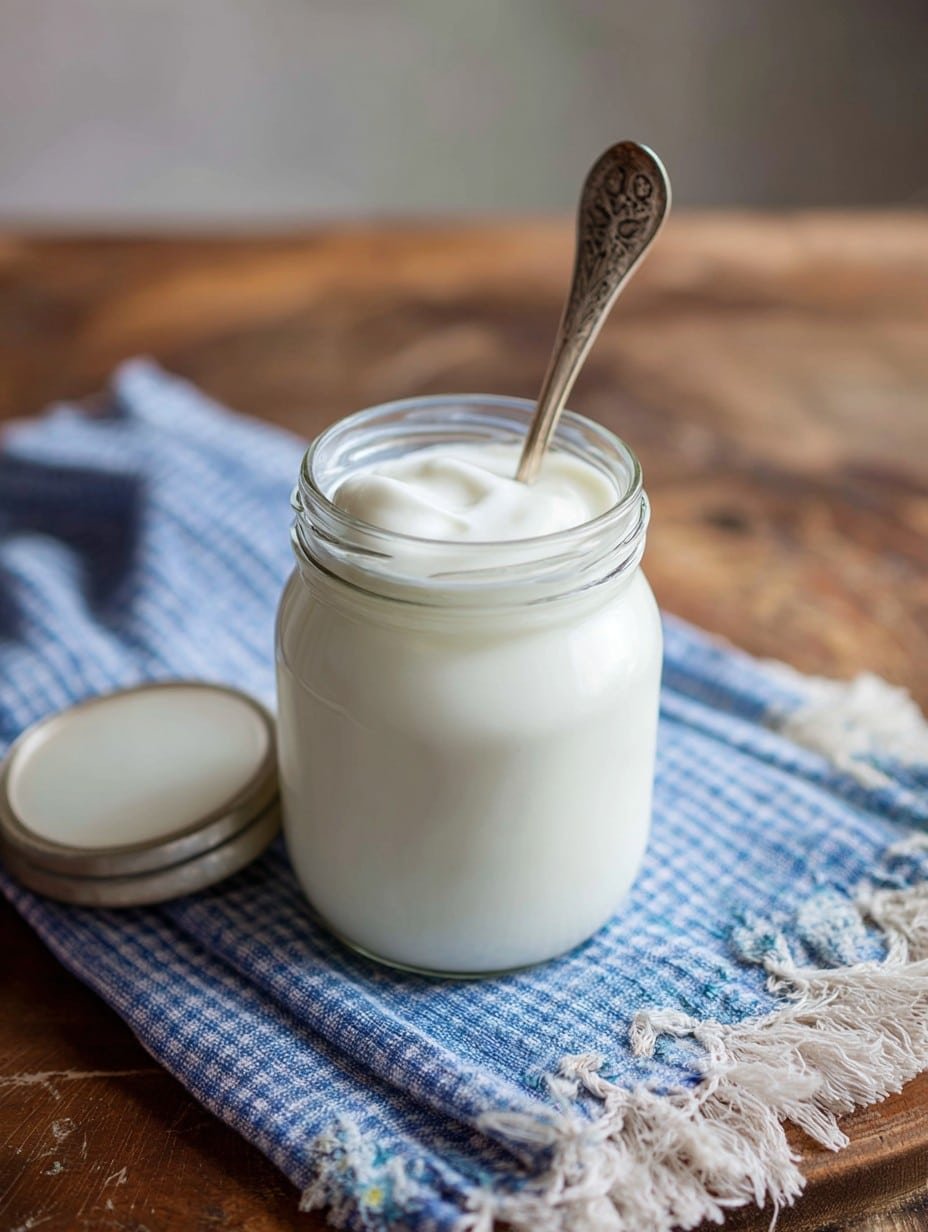
I mostly make yogurt on lazy Saturday mornings when my fridge is nearly empty, and the kids start negotiating over the last slice of bread. My crew goes nuts for it with a swirl of honey and whatever berries are hanging around (sometimes even the half-wrinkled ones if I’m being honest). The best part: no mystery thickeners—just milk and a teeny bit of yogurt you already have. But honestly, if you forget it’s incubating and it ends up a bit tangier, just call it “artisan style” and watch people go, “Oooh.” I used to think I needed one of those fancy yogurt makers, but really, a warm window sill or your oven with the light on does the trick.
What You’ll Need (Substitutions Are Fair Game)
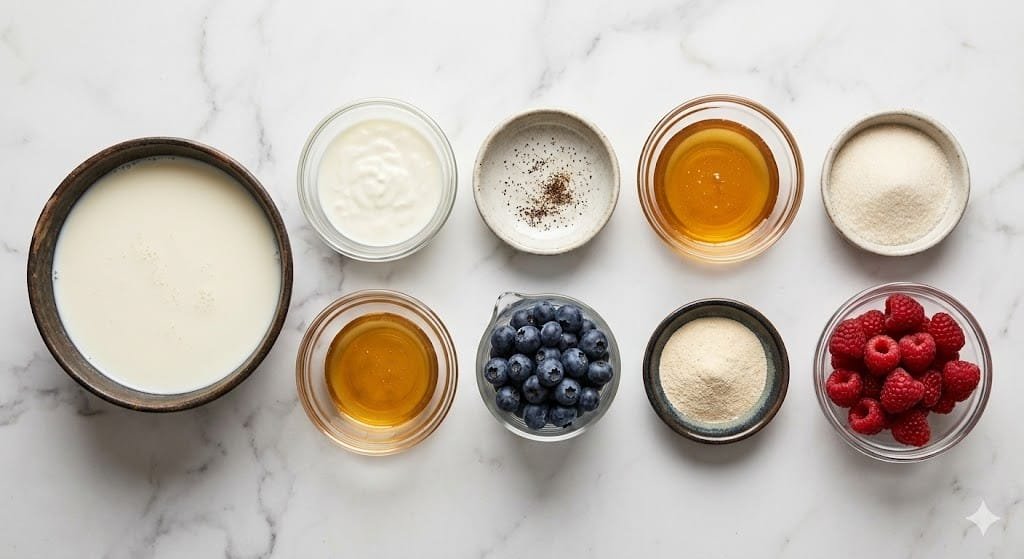
- 1 litre whole milk (full-fat is my go-to, but when I’ve run out I’ve used 2% and it still works—just creamier with whole milk)
- 2 tablespoons plain yogurt with live cultures (store-bought is fine; I’ve even used some coconut yogurt once, but the texture’s a bit different)
- Optional: 2 tablespoons milk powder (if you like it super thick—my gran always swore by it, but I forget half the time…)
How To Make Homemade Yogurt: My Sometimes-Clumsy Steps
- Pour the milk into a saucepan and heat slowly over medium heat until it’s just about to simmer—like, little bubbles sneaking up at the sides, not a rolling boil (I once boiled it and the pan was not happy).
- Take the milk off the heat and let it cool to about warm bath temperature (roughly 43°C or 110°F, or just stick your finger in—it should feel warm but not hot. Or use a thermometer if you’re the precise type).
- If you’re adding milk powder for an extra-firm yogurt, whisk it in now before you forget like I always do.
- In a small bowl, mix your plain yogurt starter with a tablespoon or two of the cooled milk; then stir that mixture back into the main pot. It helps keep things smooth and lump free (not that a few lumps have ever hurt anyone in my house).
- Pour the whole thing into a clean jar or bowl, cover lightly with a lid or a plate. Don’t make it airtight—you want it to breathe a touch.
- Now, the fun (waiting) part: put your jar somewhere warm and undisturbed—a turned-off oven with the light on, on top of the fridge, or under a tea towel near a radiator—any cosy spot. Leave it for 6–12 hours. I usually check at 7 hours because I don’t have the patience of a saint. If it jiggles like jelly, you’re golden. If not, wait a bit more.
- Once it’s set to your liking, pop it in the fridge to chill. It’ll thicken up more as it cools. I taste-test straight out of the jar (can’t help myself).
Notes (aka Things I’ve Learned the Hard Way)
- If it looks a bit separated, just give it a stir—unless it smells weird (but it rarely does, so don’t panic).
- I prefer using whole milk, but honestly, I’ve snuck in a splash of cream once for pure decadence, and no one complained except my waistband.
- Once, I left the yogurt out overnight and woke up panicked. Turns out, it just tasted more ‘grown up’—my husband loved it, but the kids weren’t sold.
- Washing everything well before helps, but don’t go wild—you’re making yogurt, not conducting surgery. Mildly clean is fine.
Variations (and a Dud or Two)
- Swirl in a spoonful of honey and a pinch of cardamom—pretty lush, actually.
- I tried throwing in diced mango once during incubation; let’s just say fruit-on-the-bottom works better after it’s set… mango sludge isn’t a crowd-pleaser.
- For thick Greek-style yogurt, scoop it into a cheesecloth and drain it for a few hours. More work but dreamily thick.
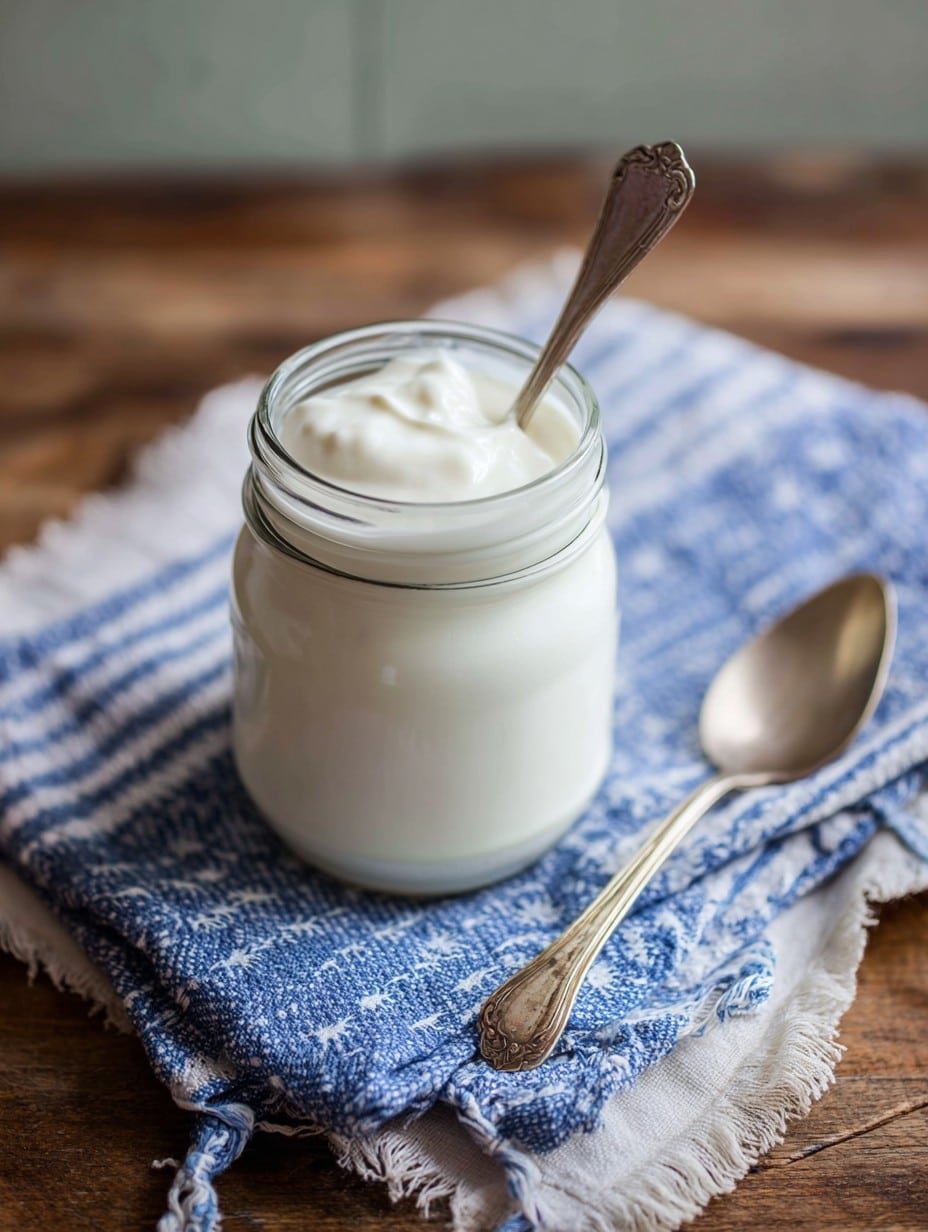
What If You Don’t Have the “Right” Equipment?
You technically want a thermometer, but I usually wing it with the finger test. No fancy incubator? No stress. Try wrapping the jar in a big jumper or setting it in a sunny window. A bit of DIY spirit goes a long way here.
How Long Will It Last? (In My House…Not Long)
Homemade yogurt keeps fine in the fridge for 5–7 days, covered—though in my house, it barely sees day three before magically vanishing. Tastes best a day or two after making, in my completely untested opinion.
How I Serve It
Straight up with granola, a dash of cinnamon, or just a drizzle of runny honey. Sometimes, if I’m feeling posh, I layer it with stewed fruit in parfait glasses and let everyone believe I’ve pulled out all the stops (they’re none the wiser).
Pitfalls I’ve Definitely Fallen Into (So You Don’t Have To)
- If you rush the cooling step and add the yogurt while the milk’s too hot, well, you’ll likely scramble it… learned that one the hard way.
- Leaving it alone for as long as possible yields the best flavor—my failed attempts usually came from poking it every hour. Sit on your hands, if you have to!
Questions I Get All the Time (And My Real Answers)
- “My yogurt’s runny—did I mess up?” Maybe, maybe not! Sometimes it just needs a bit more time or a little more starter. Or, I actually like it a bit runny, reminds me of those drinkable yogurts in Europe.
- “Can I use non-dairy milk?” You can, but results are… let’s say unpredictable. I got a weirdly gelatinous almond yogurt once; tasty but odd.
- “What do I do with the leftover whey after straining?” Good question! I splash it into smoothies or soups. Once I tried watering my plants with it—jury’s still out if they appreciated it.
If all else fails, just consider it a culinary adventure—even the yogurt that doesn’t set still tastes better than the store brand, at least in my book. And anyway, who doesn’t like a project where the worst-case scenario is a tangy, spoonable treat?
Ingredients
- 1 litre whole milk (full-fat is my go-to, but when I’ve run out I’ve used 2% and it still works—just creamier with whole milk)
- 2 tablespoons plain yogurt with live cultures (store-bought is fine; I’ve even used some coconut yogurt once, but the texture’s a bit different)
- Optional: 2 tablespoons milk powder (if you like it super thick—my gran always swore by it, but I forget half the time…)
Instructions
-
1Pour the milk into a saucepan and heat slowly over medium heat until it’s just about to simmer—like, little bubbles sneaking up at the sides, not a rolling boil (I once boiled it and the pan was not happy).
-
2Take the milk off the heat and let it cool to about warm bath temperature (roughly 43°C or 110°F, or just stick your finger in—it should feel warm but not hot. Or use a thermometer if you’re the precise type).
-
3If you’re adding milk powder for an extra-firm yogurt, whisk it in now before you forget like I always do.
-
4In a small bowl, mix your plain yogurt starter with a tablespoon or two of the cooled milk; then stir that mixture back into the main pot. It helps keep things smooth and lump free (not that a few lumps have ever hurt anyone in my house).
-
5Pour the whole thing into a clean jar or bowl, cover lightly with a lid or a plate. Don’t make it airtight—you want it to breathe a touch.
-
6Now, the fun (waiting) part: put your jar somewhere warm and undisturbed—a turned-off oven with the light on, on top of the fridge, or under a tea towel near a radiator—any cosy spot. Leave it for 6–12 hours. I usually check at 7 hours because I don’t have the patience of a saint. If it jiggles like jelly, you’re golden. If not, wait a bit more.
-
7Once it’s set to your liking, pop it in the fridge to chill. It’ll thicken up more as it cools. I taste-test straight out of the jar (can’t help myself).
Approximate Information for One Serving
Nutrition Disclaimers
Number of total servings shown is approximate. Actual number of servings will depend on your preferred portion sizes.
Nutritional values shown are general guidelines and reflect information for 1 serving using the ingredients listed, not including any optional ingredients. Actual macros may vary slightly depending on specific brands and types of ingredients used.
To determine the weight of one serving, prepare the recipe as instructed. Weigh the finished recipe, then divide the weight of the finished recipe (not including the weight of the container the food is in) by the desired number of servings. Result will be the weight of one serving.
Did you make this recipe?
Please consider Pinning it!