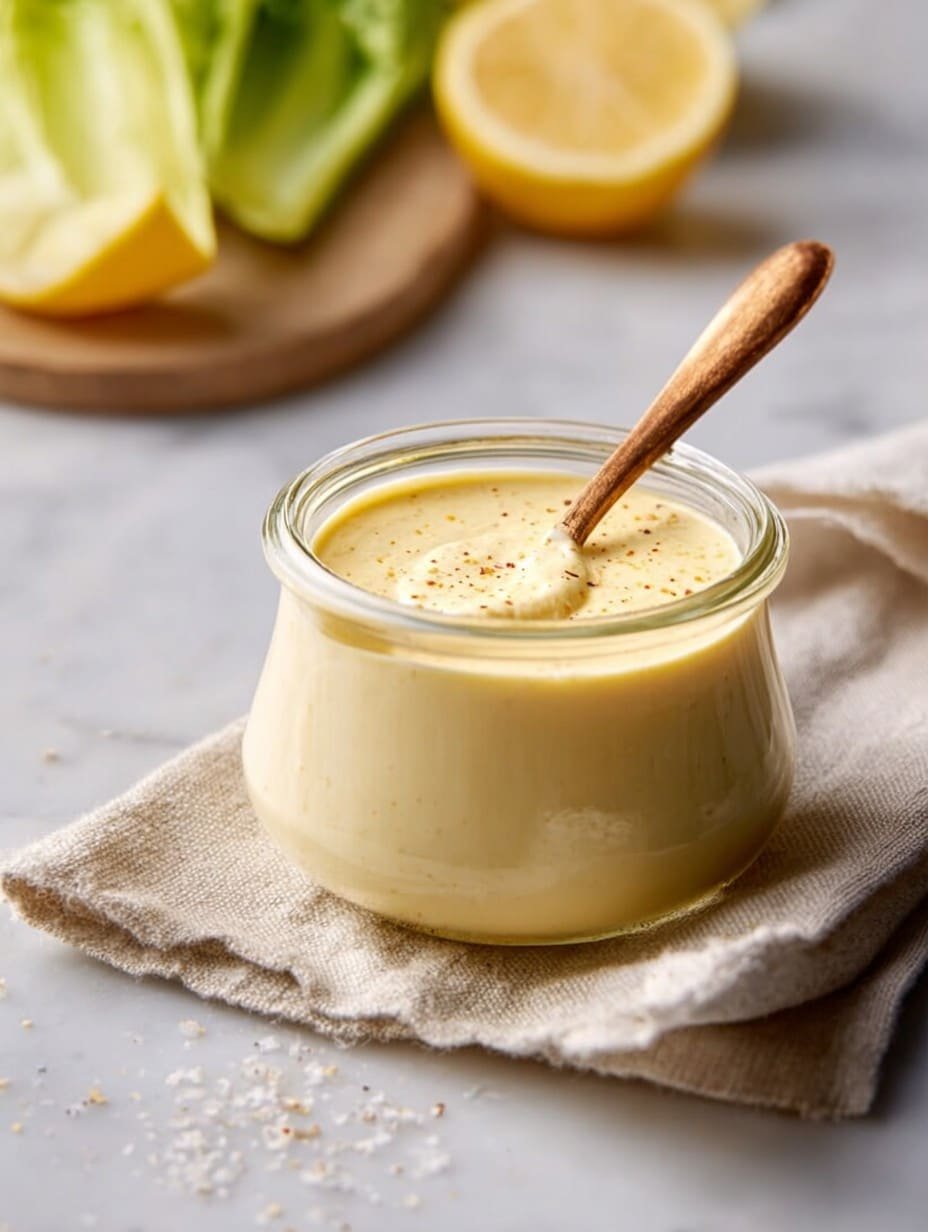
If you’ve never made Caesar dressing at home, oh friend, you’re missing out. I started making it years ago after a particularly soggy bottled version crashed our family’s salad night. (Blame the store sale—never again.) This dressing’s got guts and character, a bit like my Aunt Linda who swore by anchovies and once tried dropping in blue cheese—don’t ask. Anyway, every time I whip this up, I think of those family groans of joy. And honestly, it’s way easier than folks think.
Why I Make This (And Why You Might, Too)
I make this Caesar dressing when I’m tired of salads tasting like wet cardboard. And because my crew goes a bit wild every time I serve it, as if I’ve pulled off some grand culinary feat when, really, it’s just a lot of whisking and a little mess on the counter. My youngest insists it tastes better than any restaurant (though he’ll eat peanut butter off a spoon, so take that how you like). Plus, if you’ve ever had a Caesar that tasted suspiciously like mayo with garlic, you know how good the real thing can be. It’s a recipe that makes me forget bland, boring lunches; it’s the salad equivalent to finding a tenner in your old jeans.
What You’ll Need (Plus a Few Swaps)
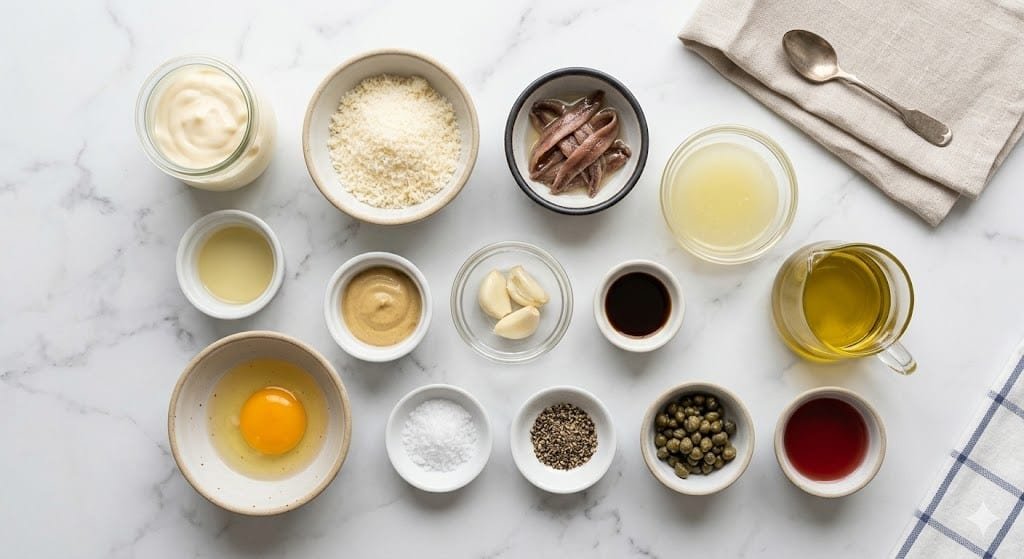
- 1 clove garlic, minced really fine (if I’m feeling lazy, I just smash and chop it as best I can)
- 2 anchovy fillets, mashed (sometimes I use a splash of anchovy paste instead; my friend swears by it, but I’m team fillet)
- 1 teaspoon Dijon mustard (Grandma always insisted on the bright yellow stuff, but trust me—Dijon is kings)
- 2 tablespoons freshly squeezed lemon juice (bottled works if you’re desperate, but it’s a bit of a mood killer)
- 1 teaspoon Worcestershire sauce
- 1 large egg yolk (or honestly, 1 tablespoon of store mayo in a bind—I’ve tried both, egg’s better but you can fudge it!)
- 1/3 cup extra virgin olive oil (I just use whatever’s open; don’t stress)
- 1/4 cup finely grated Parmesan cheese (sometimes more, sometimes less depending on the vibe)
- Freshly ground black pepper, to taste
- Pinch of salt (go easy, the anchovies already pack a punch)
How I Throw It Together (You’ll Be Done in Ten Minutes)
- In a good-sized bowl (I like one with higher sides so I don’t flick dressing at the dog), mash the garlic and anchovies together using the back of a spoon. (This is messy—that’s fine!)
- Whisk in the Dijon, lemon juice, Worcestershire, and egg yolk. It’ll look a bit gloopy, but don’t panic. Keep whisking till mostly smooth-ish.
- Drizzle in the olive oil slowly, whisking with more enthusiasm than you’d show at the gym. Seriously, go slow (I once dumped it all in and regretted it—just ended up greasy and weirdly separated). This is where I sneak a tiny taste, just to check the vibe.
- Once thick and glossy, stir in the Parmesan, black pepper, and maybe a little salt. Mix it all till dreamy and smooth—well, as smooth as Parmesan lets you.
- Taste again; add more lemon or pepper if you fancy. On second thought, a touch more cheese usually never hurts.
Notes (Lessons Learned, Sometimes the Hard Way)
- If you’re not into anchovies, still try at least a teensy bit—otherwise, it’ll just taste flat (I learned this the limp salad way).
- You can make this without raw egg yolk by subbing in mayo, but there’s something missing when you do—I can’t quite put my finger on it.
- Don’t bother with pre-shredded Parmesan here; it just doesn’t melt right. Freshly grated is a faff, but worth it.
Variations I’ve Played With (And One Oops)
- Added a splash of hot sauce once—surprisingly fab, just don’t overdo it or the Caesar vibe goes walkabout.
- Used Greek yogurt instead of egg/mayo for a lighter version. Actually, I find it works better if you blend it smooth first.
- Once tried using smoked salmon bits instead of anchovies. That was… not my finest hour.
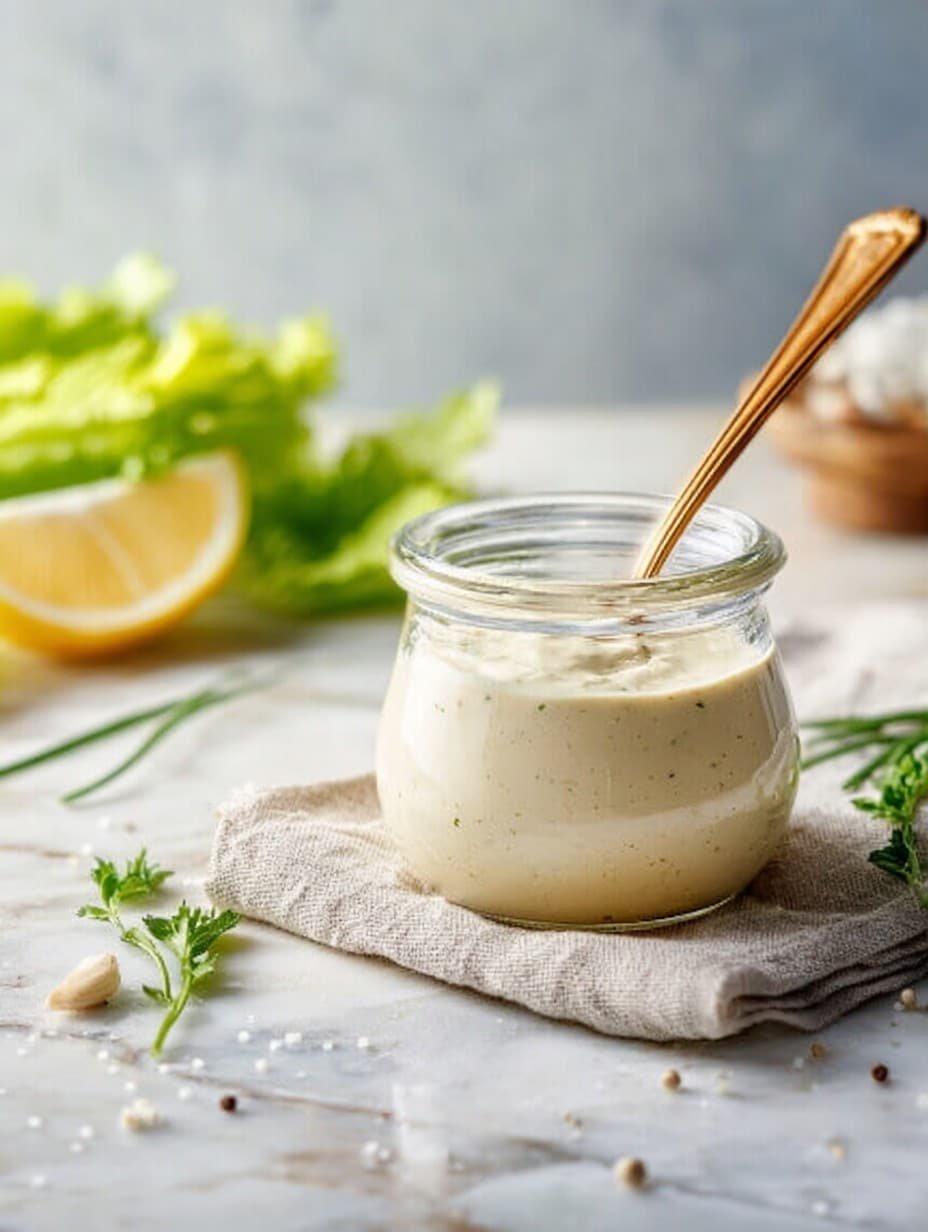
Equipment (But Don’t Stress)
I use a regular whisk and a medium mixing bowl. If you don’t have a whisk, a fork does the trick, though expect to get a bit of a workout (take a breather if you need). I’ve even made it in a jam jar by shaking—worked, but made a racket.
How Long Will It Keep?
It’ll keep in a sealed container in your fridge for about 3 days though honestly, in my house it never lasts more than a day! Just give it a shake or stir before using if it separates a little, which it likes to do.
This Is How I Serve It
We mostly dunk crispy romaine leaves right in the bowl, like some crunchy, garlicky ritual. Or sometimes spoon it onto leftover roasted chicken and call it ‘lunch’. Sunday nights, we’ve been known to drizzle it over roasted potatoes too. And if you’re in the mood—use it as a dip for, well, pretty much anything.
Pro Tips (Don’t Do What I Did…)
- Don’t try to speed up the oil step—it’ll break the emulsion and turn into a sad, oily mess. I learned this (twice).
- Use room temp ingredients, or the dressing can tighten up into clumps. Not pleasant.
- Taste as you go! I used to think recipes were sacred, but the best ones are more like guidelines, honestly.
Real Questions I’ve Heard (And My Real Answers)
- Can I make this without anchovies?
- You can—but you’ll lose that classic Caesar taste. If you must, up the Worcestershire a bit, but it’s just not the same.
- Is raw egg safe?
- Look, I’ve been using raw egg for ages and never had an issue, but if you’re worried, use a pasteurized egg or swap in mayo. Your call!
- Can I use a blender instead of whisking?
- Sure thing, just blend on low and watch the texture. Sometimes it gets a bit too frothy—that said, if I’m feeling lazy (and who isn’t sometimes), it works just fine.
- Why does my dressing split sometimes?
- Usually because the oil was added too fast or the yolk was too cold. Live and learn; just whisk more gently next time.
So, there it is—your new go-to Caesar dressing. Try not to eat it all with a spoon. Or do, I won’t judge.
Ingredients
- 1 clove garlic, minced really fine
- 2 anchovy fillets, mashed
- 1 teaspoon Dijon mustard
- 2 tablespoons freshly squeezed lemon juice
- 1 teaspoon Worcestershire sauce
- 1 large egg yolk
- 1/3 cup extra virgin olive oil
- 1/4 cup finely grated Parmesan cheese
- Freshly ground black pepper, to taste
- Pinch of salt
Instructions
-
1In a good-sized bowl (I like one with higher sides so I don’t flick dressing at the dog), mash the garlic and anchovies together using the back of a spoon. (This is messy—that’s fine!)
-
2Whisk in the Dijon, lemon juice, Worcestershire, and egg yolk. It’ll look a bit gloopy, but don’t panic. Keep whisking till mostly smooth-ish.
-
3Drizzle in the olive oil slowly, whisking with more enthusiasm than you’d show at the gym. Seriously, go slow (I once dumped it all in and regretted it—just ended up greasy and weirdly separated). This is where I sneak a tiny taste, just to check the vibe.
-
4Once thick and glossy, stir in the Parmesan, black pepper, and maybe a little salt. Mix it all till dreamy and smooth—well, as smooth as Parmesan lets you.
-
5Taste again; add more lemon or pepper if you fancy. On second thought, a touch more cheese usually never hurts.
Approximate Information for One Serving
Nutrition Disclaimers
Number of total servings shown is approximate. Actual number of servings will depend on your preferred portion sizes.
Nutritional values shown are general guidelines and reflect information for 1 serving using the ingredients listed, not including any optional ingredients. Actual macros may vary slightly depending on specific brands and types of ingredients used.
To determine the weight of one serving, prepare the recipe as instructed. Weigh the finished recipe, then divide the weight of the finished recipe (not including the weight of the container the food is in) by the desired number of servings. Result will be the weight of one serving.
Did you make this recipe?
Please consider Pinning it!