Have You Ever Made Something So Good You Ate It Cold the Next Day?
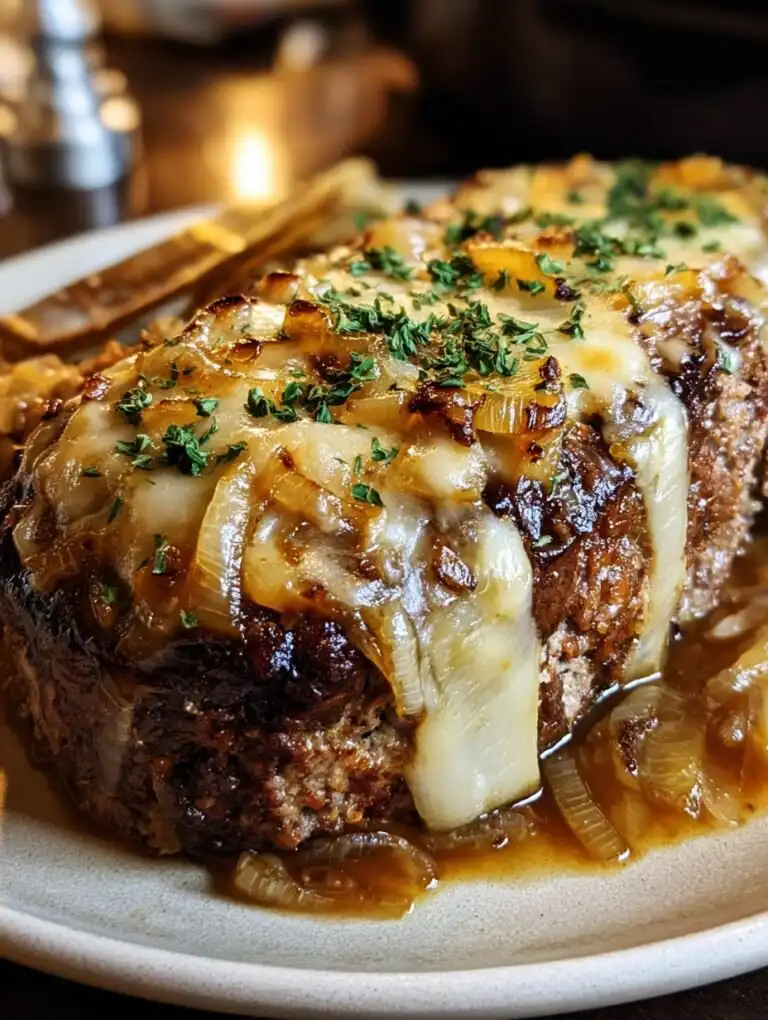
Okay, I have to start with a confession: I once tried to “save” this French Onion Orzo Bake for dinner guests the next day, but honestly—my partner and I just kept nibbling at it until, next thing I knew, there was, like, a sad little scoop left in the fridge. So, lesson learned! This is that sort of dish: meant for sharing, difficult to save for later (unless you have more willpower than me, in which case—kudos. Maybe you’ve just got more patience, or a busier schedule, but regardless, I salute you).
French onion soup was a favorite in my mum’s house growing up (mainly because it tastes fancy but really isn’t, kind of like when you wear a blazer with sweatpants and hope no one notices). Anyway, I started riffing on the idea for a sort of lazy version—one that could actually pass for a main. After a few semi-chaotic kitchen experiments (and one almost-on-fire oven, not my finest moment), out popped the French Onion Orzo Bake. A bit of a mix between risotto and that gooey, cheesy soup, just less fussy and more weeknight-friendly. Plus it gives me an excuse to use up half-bags of orzo lurking in the pantry.
Why I Keep Making This (and Why My Family Requests It CONSTANTLY)
- I make this when I want all the deep, sweet vibes of French onion soup—but, like, not the fuss of babysitting soup all day.
- My family pretty much demands it at least monthly, especially when the weather’s all over the shop (nobody asks for salad when it’s chancy outside, right?).
- I used to hate caramelizing onions—too slow, too weepy!—but actually, it’s kind of meditative with a podcast. Just don’t walk away or you’ll end up with the burnt bits of regret. Trust me.
- On lazy nights, I’ve tossed in rotisserie chicken or replaced gruyère with whatever cheese looked most melty (don’t tell the French!). It always disappears.
Side note: My dog sits under the stove looking hopeful every time I make this. Sorry, Ruby—it’s not for pups.
Stuff You’ll Need (& Substitutes I’ve Actually Used)
- Butter (3 tbsp): I’ve used olive oil in a pinch. Or half-half if you’re feeling responsible.
- Yellow onions (3 big ones or about 750g): Red onions go a bit sweeter—nice, but different. My mate swears by them, but I prefer classic yellow for that deep, sweet vibe.
- Garlic (3-4 cloves): I just use a fat spoonful of jarred garlic sometimes, and it’s fine.
- Orzo pasta (about 350g, or roughly 1½ cups): I’ve subbed in pearl couscous once; it worked but not exactly the same comfort factor. Orzo’s best, if you can grab it.
- Beef or veggie stock (3½ cups): Homemade is wonderful, cube or carton does the job. My gran swears by Maggi stock cubes.
- White wine (¼ cup, optional): Not essential but tasty. Sometimes I just splash in a squeeze of lemon and call it a day.
- Thyme (a few sprigs or 1 tsp dry): Rosemary works (but more piney—use less) if you’re fresh out of thyme.
- Gruyère (or Swiss or a cheeky cheddar, 2 cups shredded): Gruyère’s classic, but let’s be real, cheese is expensive. Whatever melts. Mozzarella even, but it’s less punchy.
- Salt and pepper (duh)
- Optional: Splash of cream (¼ cup), for when you’re feeling indulgent or it’s just one of those days
And hey, if you’re out of orzo, I once used tiny star pasta. Nobody complained. A bit odd, but it worked out.
How I Actually Make It (Give or Take)
- Caramelize the onions: Heat butter in a big oven-safe skillet (some call it a casserole, but honestly, if it fits in the oven, you’re grand) over medium. Add sliced onions with a pinch of salt. Stir, then keep stirring every few mins. The onions will look limp and sad, then weirdly brown and sticky. If they stick, a splash of water fixes it.
This is where I often drift away mentally and have to rescue my onions with more butter. Don’t panic if you get some golden-brown bits; they add flavor. Should take about 30-40 mins (yeah, I know, but it’s worth it).
- Garlic in: Toss in garlic for one minute, just until your kitchen smells amazing. Don’t burn it, please, unless you like bitter (I don’t judge, but why?).
- Add orzo: Pour in your orzo, stir it all about till it’s a little toasty (about 2 min). At this point, everything should start coming together, and you’ll get a bit excited. Or I do.
- Wine and stock: Splash in wine and let it sizzle away for a sec. Then add your stock and thyme. Give it a big stir. Scrape any oniony bits form the bottom—they’re gold. Bring it to a boil, then back it down to a low simmer.
- Simmer: Let it cook, uncovered, until the orzo’s almost cooked and most liquid’s soaked up (10-12 mins?). Will look a bit mushy, but don’t stress. Taste a bit, see if it’s soft but still has a tiny bite.
- Cream and cheese: Off the heat, stir in cream and half your cheese. (And yes, this is where I sneak a spoonful ‘to check seasoning’.)
- Top and bake: Shove the rest of the cheese on top. Chuck in a hot oven, 200°C (about 400°F), for 10-15 minutes. It’ll be bubbly and golden on top when done. If you want it extra brown, two mins under the grill does the trick (just keep a beady eye, cheese burns quicker than you think).
- Rest then scoff: Let it sit a few mins before digging in. Or don’t; just be careful with your tongue—been there.
What I’ve Messed Up (So You Don’t Have To)
- I forgot to preheat the oven once. Didn’t make much difference honestly, but don’t wander off making tea while you wait. The cheese waits for no one!
- If the onions catch and taste burnt, a knob more butter usually brings them back from the brink. Burnt is not caramelized, no matter what some TV shows say.
- Orzo’s weird—it drinks liquid quicker than you think. If yours dries out, just slosh in more stock before baking; nobody will know.
Things I’ve Tried That Work (And One That Didn’t)
- Add rotisserie chicken, shredded, at the creamy-cheese stage—proper hearty.
- Chopped baby spinach stirred in with the orzo cooks down and makes you feel kind of virtuous.
- Mushrooms as a substitute for about half the onions give it a bit of earthiness—plus more umami, whatever that is.
- Once I tried blue cheese on top. Won’t do that again. All I got was funny looks and leftovers (for the first time ever).
Do You Actually Need Fancy Equipment?
I use my trusty enameled skillet because I can go form stovetop to oven, but if all you’ve got is a regular pot and a baking dish—just transfer everything after the simmer step. Not a big deal, though it means more dishes (sorry!).

How I (Sometimes) Store It
Leftovers keep in an airtight container in the fridge, up to three days—but let’s be honest, in my house it rarely survives past midnight. If you ever do have extra, microwave it with a splash of water to stop it going stodgy. Freezes sort of okay, a little mushy on reheating but still edible if you’re in a bind.
What Do We Eat This With?
Honestly, I usually just slap a tossed salad on the side, or maybe some garlicky green beans if I’m feeling energetic. My mate likes it with a thick hunk of crusty bread toasted under the grill (try this recipe—so good).
And, totally not required, but a glass of dry white wine goes really well… not that I need an excuse.
What I’ve Learned the Hard Way
- Don’t rush the onions, ever. I once cranked the heat and they went from raw to bitter in about five minutes. Worse things have happened, but never again!
- If you’re using a cheese with less flavor (like mozzarella), up the herbs or throw in a squeeze of Dijon mustard.
- Use a deeper pan than you think—I once overflowed boiling stock all over the hob. Disaster zone.
Questions I Actually Get About French Onion Orzo Bake
- Q: Can I use gluten free orzo?
A: Yep! Just keep an eye out, it sometimes cooks even faster and goes a bit soft. Maybe cut back on the liquid a little and check early. - Q: I haven’t got an oven-safe skillet, can I still make this?
A: Of course. Do the stovetop part in your biggest pot, then tip it in any baking dish. (“Lasagna pans” work, and so do those dodgy foil trays in a pinch.) - Q: Is it OK if I skip the wine?
A: Totally, just add a squeeze of lemon or a splash more stock. No biggie; it still tastes proper lush. - Q: Can I prep this ahead?
A: Actually, I think it tastes better the next day, if you can resist picking at it. Just reheat with a splash more stock and maybe some extra cheese if it looks dryish. - Q: Any recs for a foolproof salad to go with?
A: Oh, check out this crunchy salad—sharp, crisp, easy as. Balances all the richness. - Q: What if my onions go a bit burnt?
A: Honestly… it’s salvageable unless it tastes acrid. Some folks even like a bit of burnt edge! Just scrape off the worst and carry on, or toss in a splash more stock and hope for the best.
And that’s the (slightly wonky but deeply lovable) French Onion Orzo Bake. Hope you make it. If you have questions, honestly just shout—I check my messages more often than I should during dinner anyway.

Ingredients
- 2 large yellow onions, thinly sliced
- 2 tablespoons unsalted butter
- 1 tablespoon olive oil
- 2 cloves garlic, minced
- 1 teaspoon fresh thyme leaves
- 1 cup orzo pasta
- 2 cups low-sodium beef broth
- 1 cup shredded Gruyère cheese
- 1/2 cup grated Parmesan cheese
- Salt and black pepper to taste
Instructions
-
1Preheat the oven to 375°F (190°C).
-
2In a large skillet over medium heat, melt butter and olive oil. Add sliced onions and cook, stirring occasionally, until deep golden and caramelized, about 20 minutes.
-
3Stir in the minced garlic and thyme, and cook for 1-2 minutes until fragrant.
-
4Add the orzo to the skillet and toast for 2 minutes, then pour in the beef broth. Bring to a simmer, scrape any browned bits from the pan, and cook for 5-6 minutes until the orzo is partially cooked.
-
5Transfer the mixture to a baking dish, stir in half of the Gruyère and all the Parmesan cheese. Top with the remaining Gruyère. Season with salt and pepper.
-
6Bake uncovered for 20 minutes or until golden and bubbling. Let stand for 5 minutes before serving.
Approximate Information for One Serving
Nutrition Disclaimers
Number of total servings shown is approximate. Actual number of servings will depend on your preferred portion sizes.
Nutritional values shown are general guidelines and reflect information for 1 serving using the ingredients listed, not including any optional ingredients. Actual macros may vary slightly depending on specific brands and types of ingredients used.
To determine the weight of one serving, prepare the recipe as instructed. Weigh the finished recipe, then divide the weight of the finished recipe (not including the weight of the container the food is in) by the desired number of servings. Result will be the weight of one serving.
Did you make this recipe?
Please consider Pinning it!!