Cream Cheese Pound Cake: Memories, Mishaps, and Melty Goodness
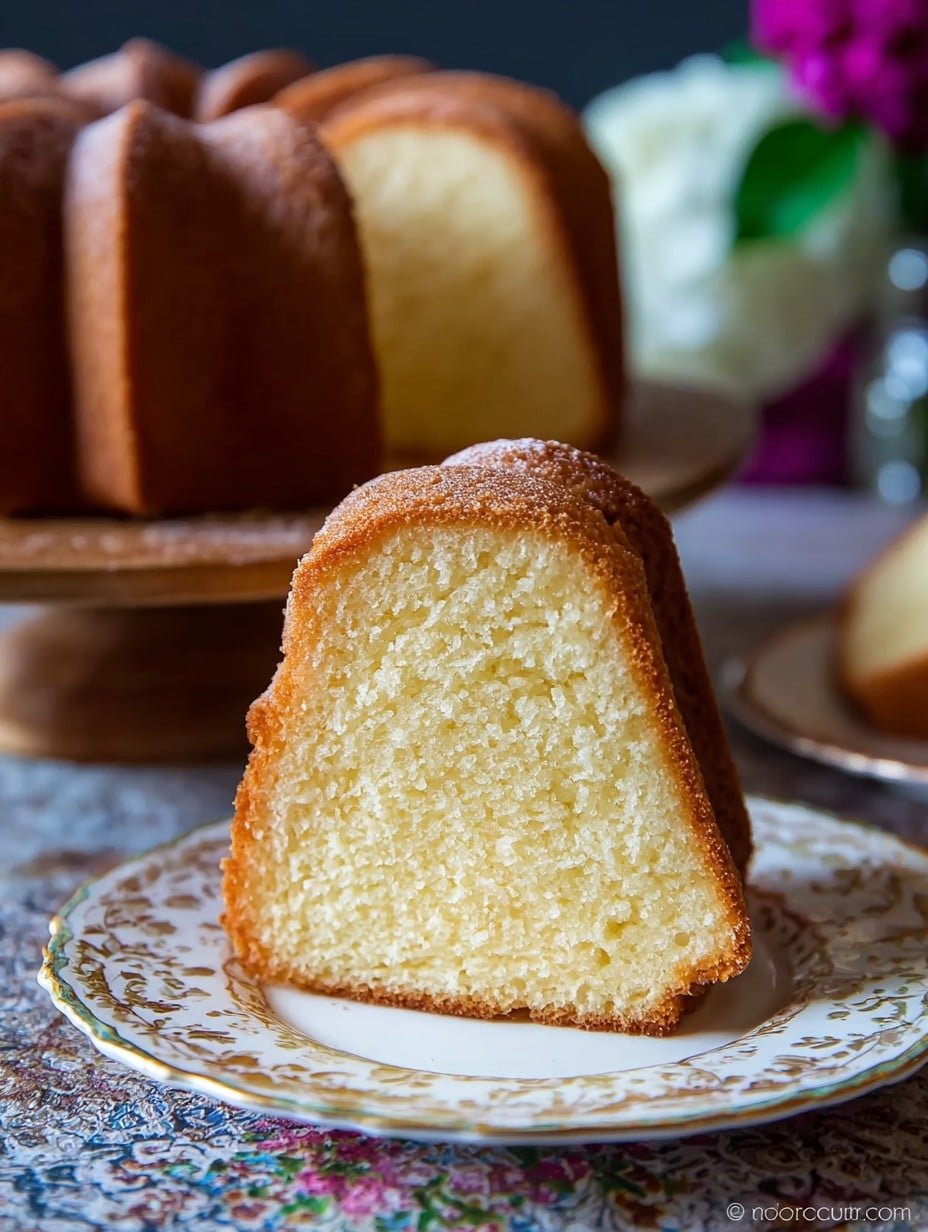
Okay, so let me just say, if you’re looking for something fancy and fussy, this Cream Cheese Pound Cake Recipe probably isn’t it. But if you want a cake that basically hugs your tastebuds and (sort of hilariously) comes out great almost no matter what you throw at it—this is the one. I made my first one the summer my cousin dared me to replace all the butter with margarine… let’s just say that was a learning experience. Now I stick to butter. Most of the time.
Why I Keep Coming Back to This Cake
I make this whenever I want to show off, because something about pound cake just feels a bit grand, doesn’t it? My family goes nuts for this—especially my youngest, who waits for the edges to get just a teensy bit crispy. In fact, there was a time I tried to slice it too warm and it crumbled like a sandcastle at high tide (don’t do that unless you want to eat cake with a spoon—not a bad idea, though). And honestly, is there anything better with a cup of coffee? If there is, I haven’t found it.
Gather Up What You Need (Substitutions Welcome!)
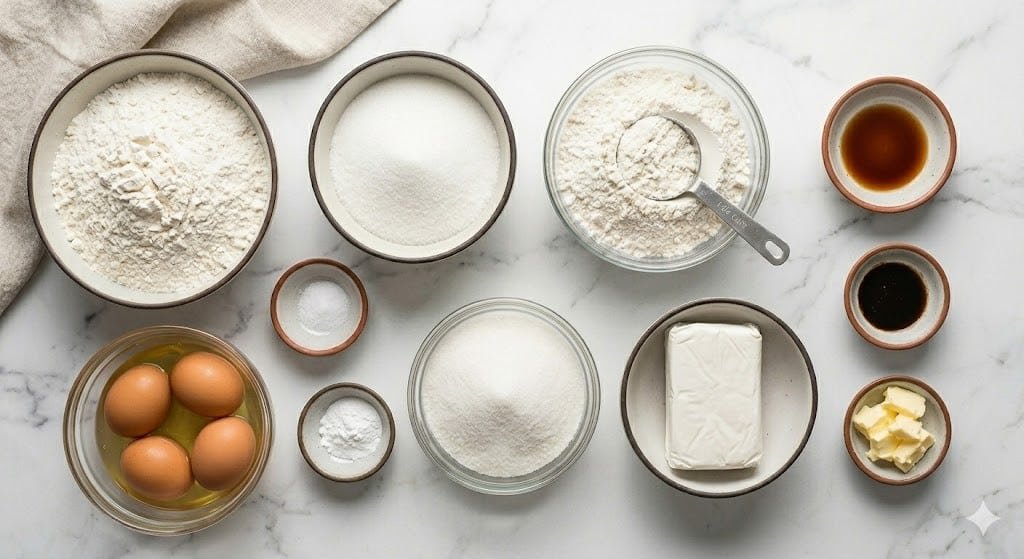
- 226g (8 oz) cream cheese, softened (Philadelphia is what my gran swore by, but store brand’s never steered me wrong)
- 226g (1 cup) unsalted butter, room temp – if all you’ve got is salted, just use it and skip the pinch of salt below
- 375g (about 1 3/4 cups) granulated sugar – sometimes I sneak in a spoonful of brown sugar; adds a little something
- 1 tsp vanilla extract, real if you’ve got it, imitation if not (we’re not baking for royalty here)
- 1/2 tsp almond extract – I skip it sometimes, especially if I’m out
- 1/4 tsp salt
- 6 large eggs, room temp (one day I’ll remember to set them out in advance, but cold works too… just takes a tad longer to mix)
- 250g (2 cups) all-purpose flour – I tried cake flour once and, to be honest, didn’t notice a huge difference
How To Make It (With the Mess and Magic)
- First off, preheat your oven to 325°F (160°C). Butter and flour a standard loaf pan. Or a bundt, if you’re feeling fancy—no need to stress over perfection.
- In a big bowl, beat the cream cheese and butter until it’s all smooth and fluffy—no lumps is the dream (though mine always has a stubborn one or two). This is when I eye the mixer and wish it cleaned itself.
- Pour in the sugar and beat it really well—a good three to five minutes if you’ve got the patience. The mixture should turn extra pale and look almost fluffy.
- Add the vanilla, almond extract (if using), and salt. Mix ‘em in. Nothing wild here.
- Dunk the eggs in, one at a time, mixing after each. The batter will look a bit scary around the third egg, sort of like it’s splitting. Don’t panic. Just keep beating. It’ll come back together, I promise.
- Toss in the flour (maybe in thirds so flour clouds don’t erupt everywhere). Fold until just combined. Don’t over-mix; you want it just barely blended.
- Spooon the batter into your prepared pan, smooth the top, and take a moment to appreciate how good it smells right now.
- Bake for about 70-80 minutes. Sometimes mine is done at an hour ten, but sometimes it takes every bit of 80 minutes. Poke a skewer in the center—it should come out with just a crumb or two. If it’s gooey, let it ride a bit longer.
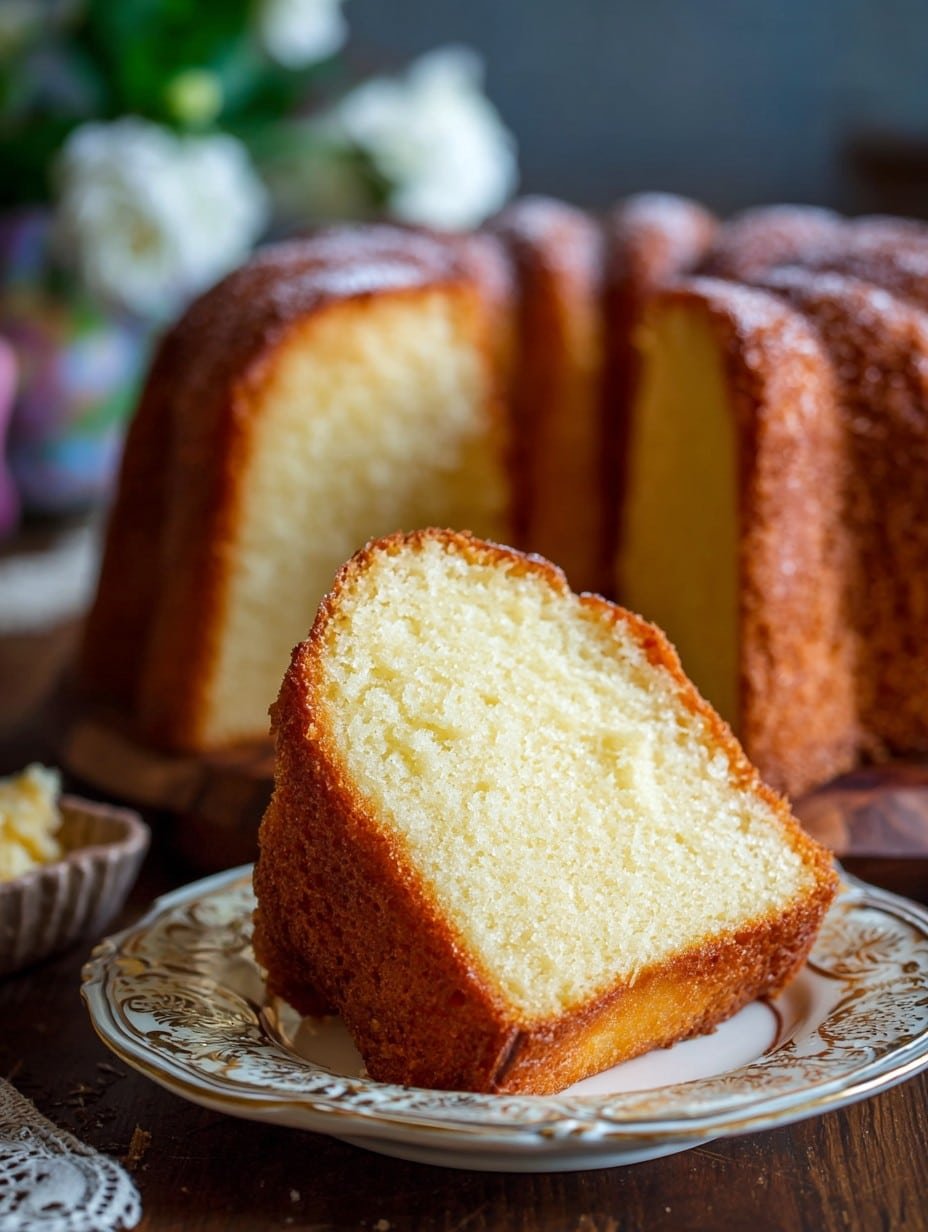
- Cool the cake in the pan for 10 minutes, then yank it out (gently) and let it cool fully on a rack. No shame if you sneak an end piece while it’s still warm, though. That’s basically law in my kitchen.
Notes from the Quirky Side of My Kitchen
- If you forget to soften your cream cheese and butter, a quick zap in the microwave (5-seconds-at-a-time drill!) usually does the trick. But they can melt quick, so don’t wander off like I sometimes do.
- This cake’s even better the next day. Seriously. I won’t lie, sometimes I hide a slab in the back of the fridge just for me.
- Some days I use a mix of extracts (like toss in a bit of lemon for a zing) and sometimes I totally forget, and it’s still tasty.
Let’s Talk Variations (and One Fail)
- Swirled in a bit of lemon zest once, and the brightness was a hit with my neighbor. Just don’t get wild with it; less is more.
- I tried tossing in chocolate chips once—honestly, they all sank to the bottom. Tasted good but looked kind of odd, so maybe skip that (unless you’re into surprise chocolate bottoms?).
- Sometimes I sub a third of the flour for whole wheat. It comes out a smidge denser, earthier—a nice change of pace.
What If You Don’t Have All the Gear?
Sure, a stand mixer is handy, but if all you’ve got is a wooden spoon and some patience—that works too. I did it by hand last winter when my mixer threw a fit (I was sore, but the cake tasted the same!). As for pans, loaf pans work, bundt pans are pretty, heck I’ve used those disposable aluminum ones from the shop in a pinch. Grease ‘em well, that’s the main thing.
How To Store It (If It Lasts)
Wrap slices up in cling film or foil and store at room temp for, oh, about 3 days. In reality, mine rarely see a second sunrise in this house. Fridge life is a bit longer—up to a week—but I like it best at room temperature anyway. Freezes fine, too, though I always forget it’s in there.
How We Serve Cream Cheese Pound Cake
You can serve it plain (my dad’s preference), with strawberries and a dollop of whipped cream (my style!), or toasted with a smear of butter. My partner drizzles honey on his. On birthdays, we once lit candles and called it breakfast, but don’t tell my doctor.
Lessons Learned (Pro Tips)
- Don’t over-mix after adding flour—I did once, and the cake was a tad rubbery. Not the end of the world, but not what you want.
- Let it cool all the way before slicing, unless you’re okay with it crumbling (which, actually, can be kind of fun).
- If the top is browning too fast, lay a scrappy bit of foil over it around the 40-minute mark. Learned that after a few “rustic” looking loaves.
Frequently Asked (Sometimes Odd) Questions
- Can I use low-fat cream cheese? Yeah, but it won’t be as rich, and honestly, it might taste a bit thin. Full-fat for the win if you can swing it.
- What if I’ve only got self-rising flour? It’ll work, but leave out the salt. It’ll be lighter, maybe even a tad puffy, but perfectly edible.
- Why did my cake sink in the middle? Probably underbaked (been there), or you opened the oven a few too many times (I know it’s tempting to peek—resist).
- Does it freeze well? Actually, yes. Wrap tight and freeze up to a month. On second thought, label it or you’ll forget what it is. I’ve unwrapped many a mystery loaf from my freezer…
- How do you get it out of the pan? If you greased and floured well, a gentle tap on the counter usually does the trick. If it’s still stuck, I run a butter knife along the edges—works like a charm, most days.
There you go! That’s my unwieldy, much-tweaked, occasionally goofy recipe for the Cream Cheese Pound Cake Recipe I make for just about any occasion—rainy Sunday, quick dessert, or just because I want the good smells in my kitchen. If you try it, let me know how yours turns out, or what you changed—odds are I’ll want to nick your idea for next time.
Ingredients
- 226g (8 oz) cream cheese, softened (Philadelphia is what my gran swore by, but store brand’s never steered me wrong)
- 226g (1 cup) unsalted butter, room temp – if all you’ve got is salted, just use it and skip the pinch of salt below
- 375g (about 1 3/4 cups) granulated sugar – sometimes I sneak in a spoonful of brown sugar; adds a little something
- 1 tsp vanilla extract, real if you’ve got it, imitation if not (we’re not baking for royalty here)
- 1/2 tsp almond extract – I skip it sometimes, especially if I’m out
- 1/4 tsp salt
- 6 large eggs, room temp (one day I’ll remember to set them out in advance, but cold works too… just takes a tad longer to mix)
- 250g (2 cups) all-purpose flour – I tried cake flour once and, to be honest, didn’t notice a huge difference
Instructions
-
1First off, preheat your oven to 325°F (160°C). Butter and flour a standard loaf pan. Or a bundt, if you’re feeling fancy—no need to stress over perfection.
-
2In a big bowl, beat the cream cheese and butter until it’s all smooth and fluffy—no lumps is the dream (though mine always has a stubborn one or two). This is when I eye the mixer and wish it cleaned itself.
-
3Pour in the sugar and beat it really well—a good three to five minutes if you’ve got the patience. The mixture should turn extra pale and look almost fluffy.
-
4Add the vanilla, almond extract (if using), and salt. Mix ‘em in. Nothing wild here.
-
5Dunk the eggs in, one at a time, mixing after each. The batter will look a bit scary around the third egg, sort of like it’s splitting. Don’t panic. Just keep beating. It’ll come back together, I promise.
-
6Toss in the flour (maybe in thirds so flour clouds don’t erupt everywhere). Fold until just combined. Don’t over-mix; you want it just barely blended.
-
7Spooon the batter into your prepared pan, smooth the top, and take a moment to appreciate how good it smells right now.
-
8Bake for about 70-80 minutes. Sometimes mine is done at an hour ten, but sometimes it takes every bit of 80 minutes. Poke a skewer in the center—it should come out with just a crumb or two. If it’s gooey, let it ride a bit longer.
-
9Cool the cake in the pan for 10 minutes, then yank it out (gently) and let it cool fully on a rack. No shame if you sneak an end piece while it’s still warm, though. That’s basically law in my kitchen.
Approximate Information for One Serving
Nutrition Disclaimers
Number of total servings shown is approximate. Actual number of servings will depend on your preferred portion sizes.
Nutritional values shown are general guidelines and reflect information for 1 serving using the ingredients listed, not including any optional ingredients. Actual macros may vary slightly depending on specific brands and types of ingredients used.
To determine the weight of one serving, prepare the recipe as instructed. Weigh the finished recipe, then divide the weight of the finished recipe (not including the weight of the container the food is in) by the desired number of servings. Result will be the weight of one serving.
Did you make this recipe?
Please consider Pinning it!