Let Me Tell You About Coffee Cake Muffins
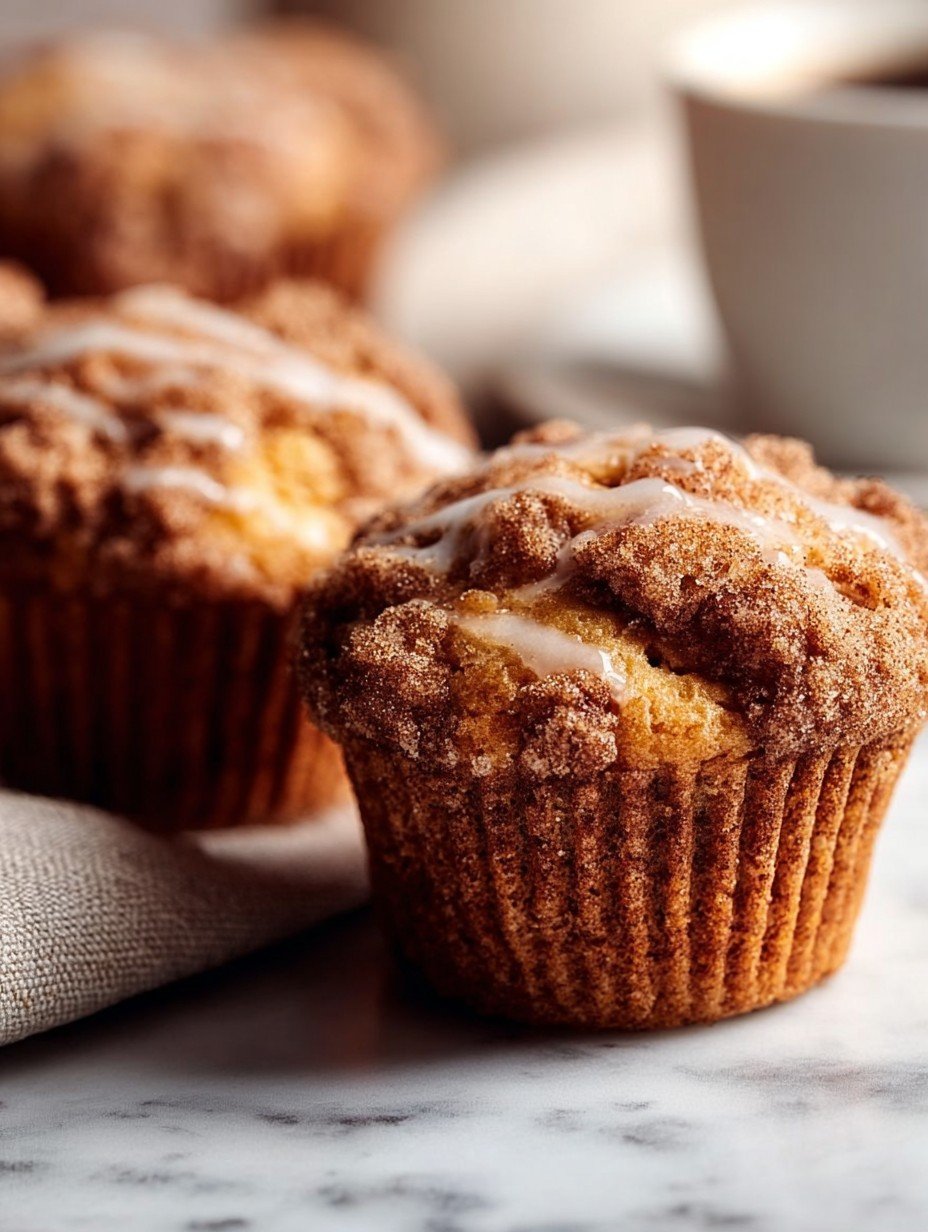
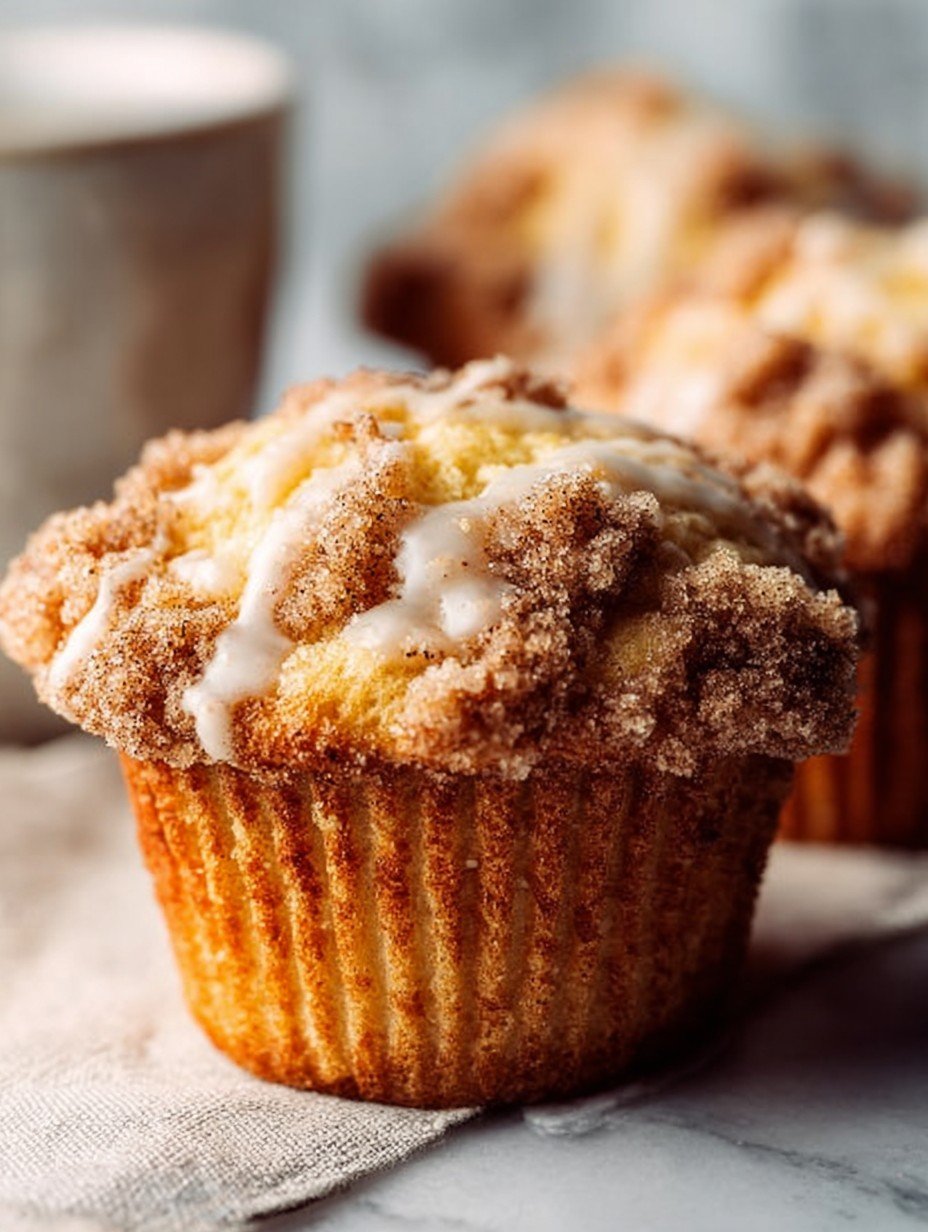
Alright, so I’d be lying if I said I didn’t eat two (okay, three) of these coffee cake muffins straight out of the tin one Saturday morning. My kitchen still smelled like brown sugar and cinnamon hours later and honestly, that’s the kind of thing that makes a day feel like it’s going to be a good one. I first tried making these after my mom brought over an entire coffee cake—classic, right?—but, not gonna lie, I wanted something you could hold in one hand while herding the dog away from the counter (seriously, dogs + crumb topping = chaos). And these muffins? Absolute winner. Oh, and don’t even get me started on the crumbly streusel. There’s probably still some in the cracks of my countertop.
Why You’ll Love These Muffins (Trust Me, I Speak from Experience)
I make these coffee cake muffins when I want to pretend I’m at a cozy NYC bakery but actually I’m just in sweats staring out my own window with lukewarm coffee. My family goes a bit mad for them because the crunchy streusel on top is, in their words, “dangerously good.” Occasionally, I get a little lazy about the swirl in the middle but, eh, nobody’s ever complained (in fact, more cinnamon never hurt anyone). My only real battle? Not burning my tongue when I insist on tasting one before they’ve cooled. Every. Single. Time.
Your Shopping List (or What’s In My Pantry)
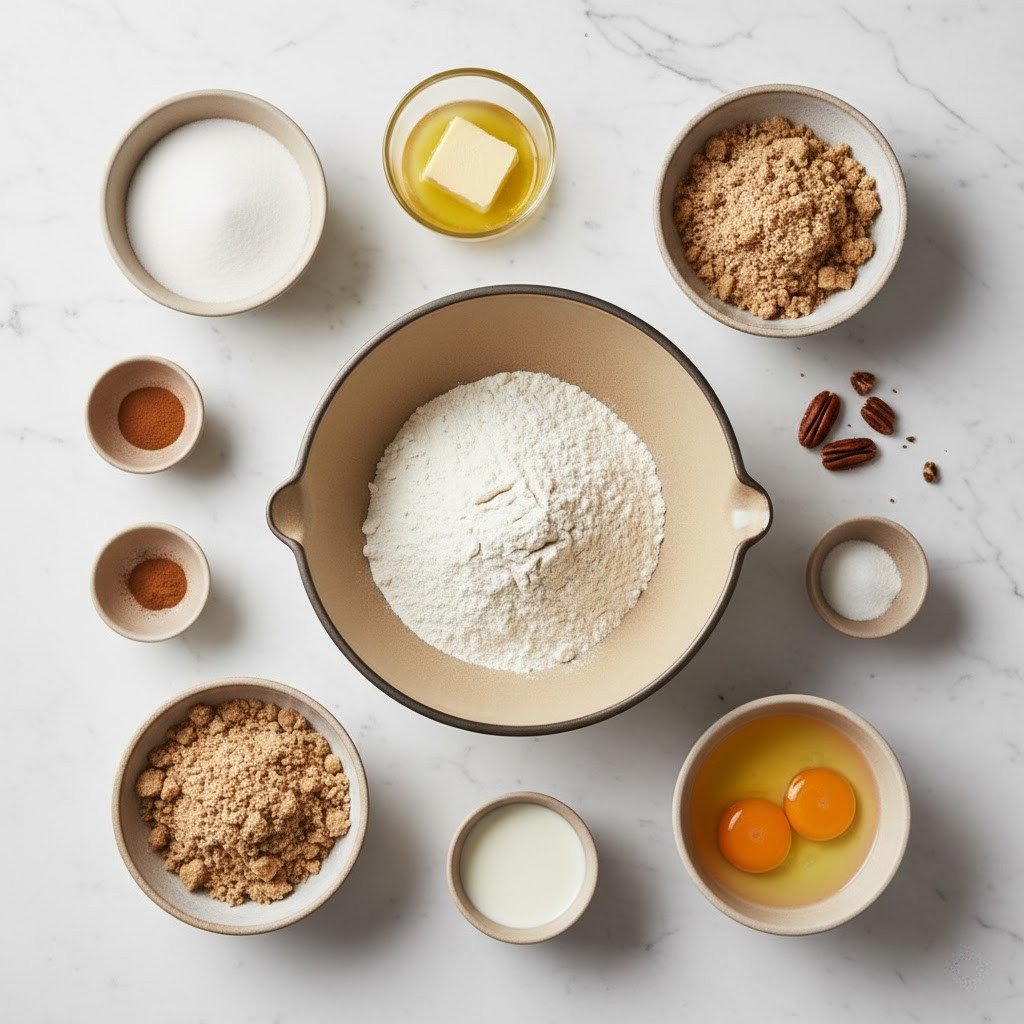
- 2 cups all-purpose flour (grams would be 250g, if you’re that sort)
- 1 teaspoon baking powder
- 1/2 teaspoon baking soda
- 1/2 teaspoon salt (sometimes I use flaky sea salt, honestly, fancy but nice)
- 1/2 cup unsalted butter, melted and cooled (my grandmother said brand didn’t matter; she was right)
- 3/4 cup granulated sugar (if you’re short, a mix with brown sugar totally works)
- 2 large eggs (I used to think size didn’t matter with eggs—it kind of does for baking, oops!)
- 1 cup sour cream (yogurt swaps in fine when I realize I’m out)
- 1 teaspoon vanilla extract (once I only had almond—it wasn’t bad, just different)
- For Cinnamon Streusel:
- 1/3 cup all-purpose flour
- 1/3 cup brown sugar, packed
- 1 teaspoon ground cinnamon (or two if you’re like me and forget you already added some)
- 3 tablespoons cold butter, cubed
- Pinch of salt (sometimes I forget this; doesn’t ruin the whole thing, promise)
How To Make Coffee Cake Muffins (With A Few Honest Truths)
- Preheat and Line: Fire up the oven to 350°F (180°C). Line a 12-cup muffin tin with papers. Or, grease it if you’re the rebel type who likes living on the edge (and scrubbing pans later).
- Make the Streusel: In a small bowl, mix flour, brown sugar, cinnamon, and a pinch of salt. Add cold butter and mash with a fork (or, your fingers if you’re feeling rustic). It’ll look crumbly, kind of like chunky sand — that’s perfect.
- Mix Dry Ingredients: In a big bowl, whisk the flour, baking powder, baking soda, and salt together. Try not to dump it on the counter; easier said than done if you’re as easily distracted as I am.
- Beat Wet Stuff: In another bowl, whisk the melted butter and sugar until they look like wet sand. Add eggs, sour cream, and vanilla; mix until combined. I usually sneak a taste here. Egg is in there, so, you know, your call.
- Combine Wet and Dry: Add the wet mix into the dry bowl. Stir gently (I mean, really gently—overmixing makes them tough, and trust me, I learned this the hard way). Some lumps are okay, don’t stress.
- First Layer: Spoon a blob of batter into each muffin cup, just enough to cover the bottom.
- Add Streusel Swirl: Scatter a good pinch of streusel over each. (I always run out before the last cup. Reverse engineering the next time.)
- Top Off: Add the rest of the batter. Finish with what’s left of the streusel—just do your best. Perfection not required.
- Bake: Bake 18-22 minutes, or until muffins are golden and a skewer poked through the center comes out mostly clean. If a little crumb sticks, that’s alright.
- Cool (Sort of): Let them cool in the pan about 10 minutes before lifting out. At this point, they’re still warm but not mouth-searing. I usually eat one immediately anyway. Can you blame me?
Some Notes, For What They’re Worth
- The streusel topping once totally sank. Turns out, I pressed it in way too much—now I just sprinkle (almost lazily!) and it works.
- Muffins are still soft even the next morning, especially if you zap them in the microwave for 10 seconds. I suppose that’s a microwave hack?
Fun Variations I’ve Actually Tried
- Added a chopped apple to the batter once—tasted like fall, just needed a wooly jumper.
- Swapped half the sour cream for Greek yogurt: a tiny bit tangier, borderline virtuous. Probably.
- Tried chocolate chips once… then realized, for me, cinnamon wins every time. But you do you!
- Attempted oat flour for a “healthier” batch—came out sad and sort of dry. Would not recommend.
Equipment – The Essentials (and Not So Essentials)
- Muffin tin (I’ve used silicone cups in a pinch – less cleaning, more wobbly)
- Mixing bowls, at least two (one will always be in use, trust me)
- Fork or pastry cutter for streusel. Honestly, clean hands work too.
Once, I couldn’t find my muffin tin and just used ramekins. Worked, sort of. Don’t skip the papers, though—or you’ll be scraping out crumbs forever.
How to Store Them (If Any Survive…)
They keep in an airtight container at room temp for two days, maybe a bit longer if you don’t mind slightly less glory. Or, fridge ’em for up to a week but I think they taste best fresh or the day after. Though, honestly, in my house they’re usually gone before lunchtime
How I Like to Serve These Muffins
I usually just plop one of these on a napkin and dunk it straight into my coffee—no judgment if you’re a tea drinker. My sister insists on extra butter (really), and if it’s the weekend, sometimes we make a little glaze with powdered sugar and milk to drizzle on top. Or sprinkle more cinnamon because, well, why not?
Some “Pro” Tips (Or: Lessons From My Errors)
- Don’t rush the cooling. One time, I tried pulling a muffin out with my bare hands. Bad call, blisters the size of quarters.
- If the batter seems too thick, it’s normal. But if it looks like bread dough, toss in a splash of milk. Actually, I find it works better if you go by feel instead of measurements sometimes.
- Mixing the streusel too much? It’ll turn kind of pasty, which is not what you want. Crumbs are good here.
Real Questions I’ve Actually Gotten
- Can I freeze these muffins?
Yep, I’ve tossed a few (okay, four) in the freezer and just reheated them. They’re still tasty, though the topping gets a tad soft—still edible, though! - Do I need an electric mixer?
Nope, I always just use a whisk or even a big fork. More dishes, less joy, if you ask me. - Why are my muffins tough?
That’s almost always from overmixing — once I got a bit over-zealous, turned them into muffin bricks. Just fold gently. - Can I make these gluten free?
Haven’t tried, but my pal Jenny swapped in a GF blend—she said it mostly worked (but I’m not about to guarantee texture, sorry!). - Do they actually taste like coffee?
Nope! Classic coffee cake thing—it’s meant for eating with coffee, not made from it. Confused me the first time, too!
If you made it this far, congrats—you’re ready to get baking, or at least demolish a few muffins warm from the oven. (If your dog manages to nab a crumb, tell them I say hi!)
Ingredients
- 2 cups all-purpose flour (grams would be 250g, if you’re that sort)
- 1 teaspoon baking powder
- 1/2 teaspoon baking soda
- 1/2 teaspoon salt (sometimes I use flaky sea salt, honestly, fancy but nice)
- 1/2 cup unsalted butter, melted and cooled (my grandmother said brand didn’t matter; she was right)
- 3/4 cup granulated sugar (if you’re short, a mix with brown sugar totally works)
- 2 large eggs (I used to think size didn’t matter with eggs—it kind of does for baking, oops!)
- 1 cup sour cream (yogurt swaps in fine when I realize I’m out)
- 1 teaspoon vanilla extract (once I only had almond—it wasn’t bad, just different)
- 1/3 cup all-purpose flour
- 1/3 cup brown sugar, packed
- 1 teaspoon ground cinnamon (or two if you’re like me and forget you already added some)
- 3 tablespoons cold butter, cubed
- Pinch of salt (sometimes I forget this; doesn’t ruin the whole thing, promise)
Instructions
-
1Fire up the oven to 350°F (180°C). Line a 12-cup muffin tin with papers. Or, grease it if you’re the rebel type who likes living on the edge (and scrubbing pans later).
-
2In a small bowl, mix flour, brown sugar, cinnamon, and a pinch of salt. Add cold butter and mash with a fork (or, your fingers if you’re feeling rustic). It’ll look crumbly, kind of like chunky sand — that’s perfect.
-
3In a big bowl, whisk the flour, baking powder, baking soda, and salt together. Try not to dump it on the counter; easier said than done if you’re as easily distracted as I am.
-
4In another bowl, whisk the melted butter and sugar until they look like wet sand. Add eggs, sour cream, and vanilla; mix until combined. I usually sneak a taste here. Egg is in there, so, you know, your call.
-
5Add the wet mix into the dry bowl. Stir gently (I mean, really gently—overmixing makes them tough, and trust me, I learned this the hard way). Some lumps are okay, don’t stress.
-
6Spoon a blob of batter into each muffin cup, just enough to cover the bottom.
-
7Scatter a good pinch of streusel over each. (I always run out before the last cup. Reverse engineering the next time.)
-
8Add the rest of the batter. Finish with what’s left of the streusel—just do your best. Perfection not required.
-
9Bake 18-22 minutes, or until muffins are golden and a skewer poked through the center comes out mostly clean. If a little crumb sticks, that’s alright.
-
10Let them cool in the pan about 10 minutes before lifting out. At this point, they’re still warm but not mouth-searing. I usually eat one immediately anyway. Can you blame me?
Approximate Information for One Serving
Nutrition Disclaimers
Number of total servings shown is approximate. Actual number of servings will depend on your preferred portion sizes.
Nutritional values shown are general guidelines and reflect information for 1 serving using the ingredients listed, not including any optional ingredients. Actual macros may vary slightly depending on specific brands and types of ingredients used.
To determine the weight of one serving, prepare the recipe as instructed. Weigh the finished recipe, then divide the weight of the finished recipe (not including the weight of the container the food is in) by the desired number of servings. Result will be the weight of one serving.
Did you make this recipe?
Please consider Pinning it!