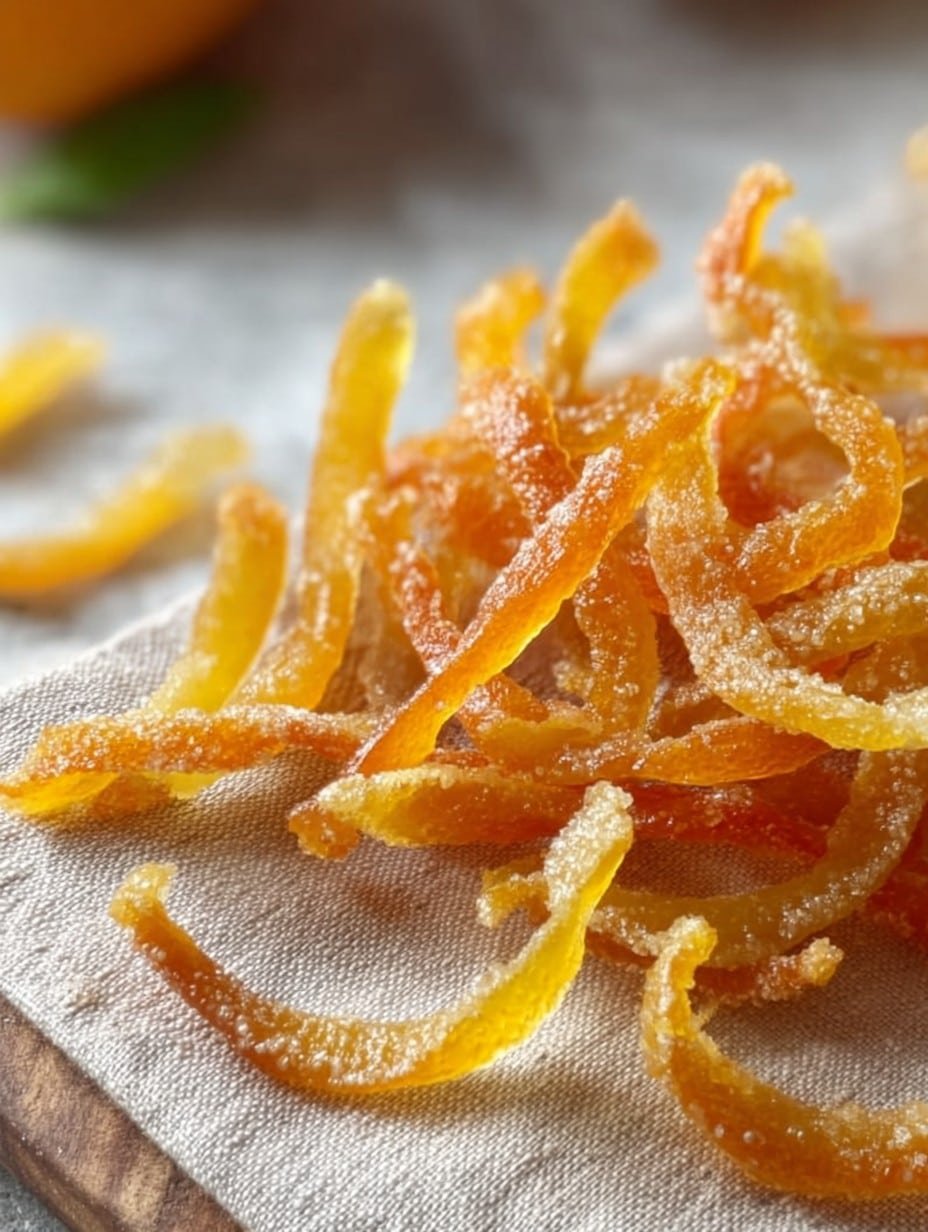
Okay, Here’s the Thing About Candied Citrus Peel…
You ever get those boxes of chocolates and the one with the chewy orange bit just calls your name? That’s where my obsession with candied citrus peel started. Except, when I tried making it the first time, I managed to weld the peels to the pan with burnt sugar—lovely. It tasted like campfire (not in a good way) and my house smelled like defeat for days. But, oh buddy, let me tell you: once you get it right? Total showstopper. Now, every winter when citrus is cheap as chips, I’ll set aside a lazy afternoon to make a batch. It’s honestly therapeutic, and my kids start circling the kitchen like little sharks. True story: once, my neighbor came over for tea and left with half the peels stashed in her pocket. Can’t blame her one bit!
Why I Keep Coming Back to This (Even When I Mess Up)
I make this when oranges are piling up in my fruit bowl (you know how it goes, eyes bigger than your stomach at the farmer’s market). My family goes crazy for candied citrus peel because it’s like eating sunshine, especially dead in the middle of winter. It jazzes up plain old brownies or gets dunked in chocolate for a posh treat. I used to grumble about fussing with the syrup, but now that I know you can use any old peeler and adjust the sugar, it’s a breeze. And honestly, the sticky mess is part of the fun—until you forget it’s on the counter and your cat jumps up. Long story. Anyway.
What You’ll Need (And What I Sometimes Swap)
- 4 large oranges (or lemons, or grapefruit, whatever’s rolling around—my friend swears by pink grapefruit, but I think a mix is best)
- 2 cups (400g) granulated sugar (you can use raw sugar if you’re feeling wild, but it takes a smidge longer to dissolve)
- 1 cup (240ml) water (just plain tap, unless you live somewhere with weird water, then maybe use filtered)
- Extra sugar for tossing (my grandmother always insisted it was caster sugar, but any white sugar works fine—don’t sweat it)
- Optional: A splash of vanilla or a pinch of cinnamon for extra oomph (I only remember this half the time)
Here’s What You Do (More or Less)
- Slice the tops and bottoms off your oranges. Use your fingers (or a sharp knife if you’re feeling fancy) to score the peel into quarters and gently peel it off. Try not to butcher the flesh underneath, but if you do, just eat it—waste not, want not!
- Put the peels in a saucepan and cover with cold water. Bring it to a gentle boil, then drain. Do this twice more—yes, really. It mellows out the bitterness and softens the peels. This is where I usually wander off and make a cup of tea.
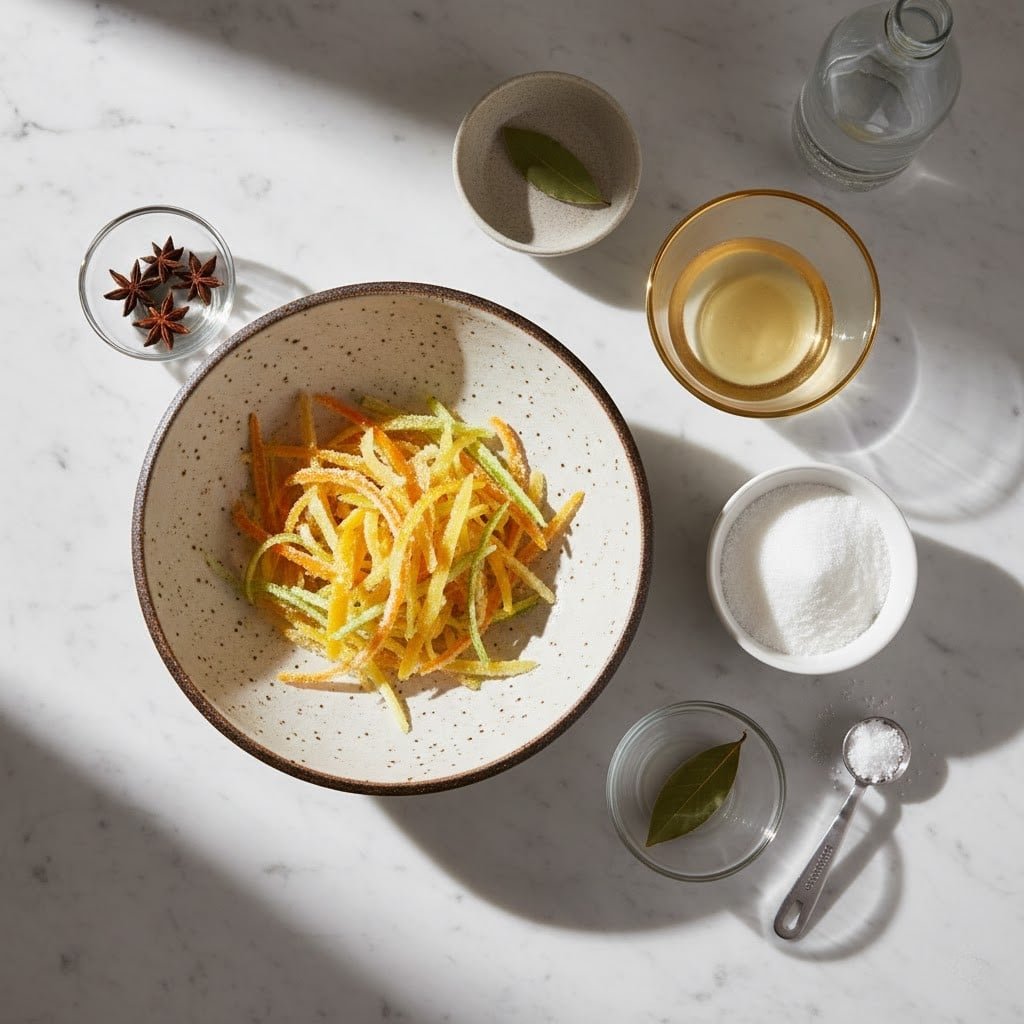
- Once boiled and drained, cut the peels into skinny strips, about as thick as a pencil. Or thinner, if you’re patient. I’m not always.
- In a big-ish saucepan, stir together 2 cups sugar and 1 cup water. Heat it on medium until the sugar melts into a syrup. Don’t stir too much now or the whole thing can go grainy—learned this the hard way. Add your peels in.
- Simmer everything on low for 45-60 minutes. You want the peels translucent and the syrup nice and thick. Don’t wander too far; it can suddenly go form delicious to cement if you ignore it. (This is also when I sneak a taste.)
- Fish out the peels with tongs or a fork and let them drain on a wire rack or some parchment. If you don’t have a rack, just spread them out on a baking tray. Don’t stress about them sticking together—a little nudge sorts it later.
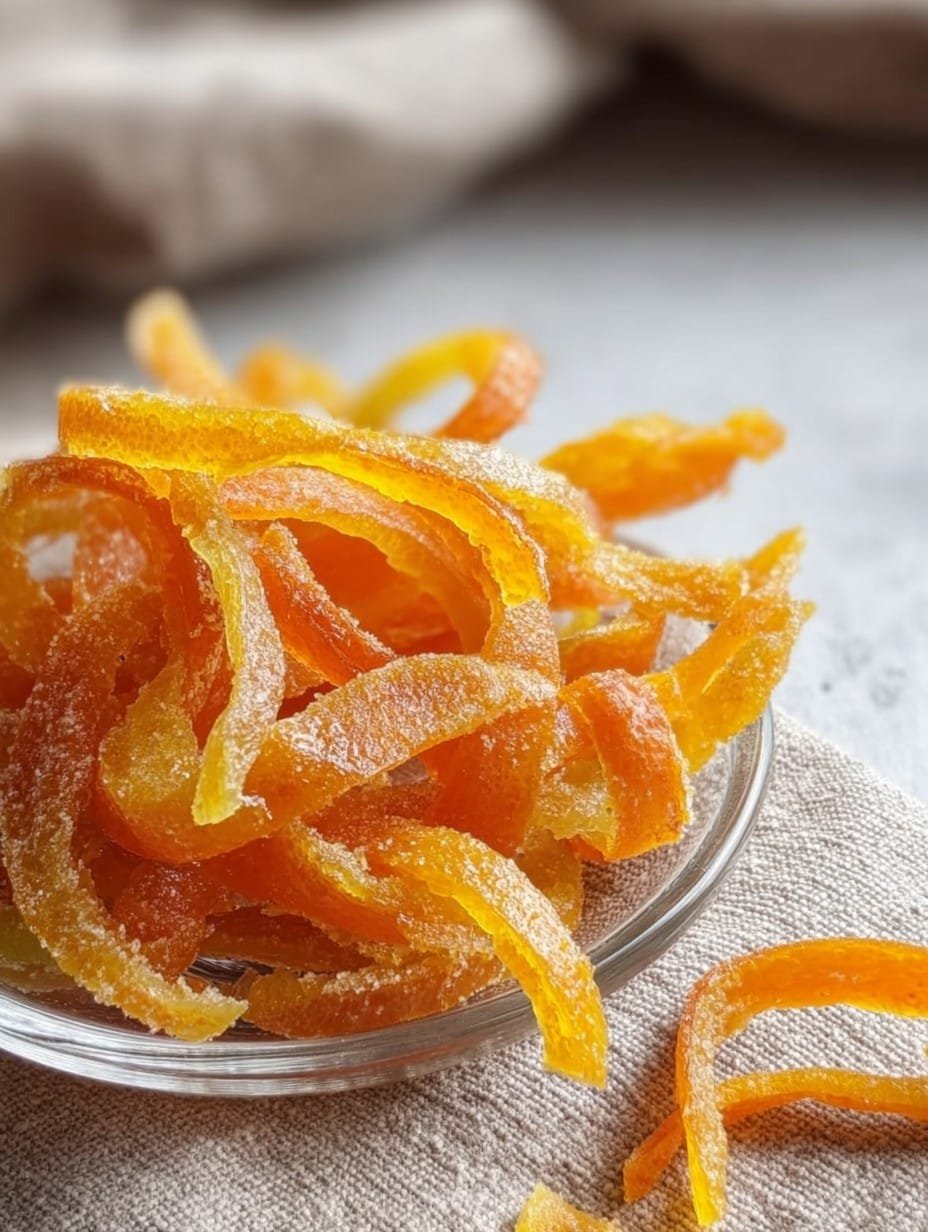
- Once they’re just barely tacky but not dripping, toss them in the extra sugar until they’re glittery and irresistible looking. Let them dry at room temp for a few hours, or overnight if you can wait that long.
- Eat as is, dip in melted dark chocolate (oh yes), or stash in a tin for nibbling. Or do what I do and pretend you’re saving them for a special occasion.
Notes I Wish Someone Had Told Me
- If you leave too much white pith on the peel, it’s a tad bitter—but, actually, I sort of like that. Your mileage may vary.
- Don’t panic if your syrup looks cloudy; it clears as it cooks. Or sometimes it doesn’t, and that’s fine too.
- The peel dries faster if you resist eating half of it warm (harder than it sounds).
- Bonus: The leftover syrup is insanely good in cocktails or even drizzled over pancakes. Learned that by accident.
All the Weird Things I’ve Tried (Some Worked… Some Didn’t)
- Mixing in lime peels—nice and zingy, but the thinner peel means you’re wrestling slippery ribbons. Still worth it.
- I tried dusting them with cocoa powder once. Uh, would not do again. Tasted odd.
- Lemon and orange together are my top combo, especially if tucked into scones or scattered on ice cream. Try it at least once!
What You’ll Need (But If You Don’t Have Something…)
- A saucepan (if you only have a frying pan, just keep the liquid shallow and watch closely)
- Sharp knife or veggie peeler (good old thumbs work for the peeling step—it’s honestly quite fun)
- Wire rack or parchment (if not, just use a large plate and flip them now and then)
Oh—you will need a fork or tongs to fish out the sticky peels unless you love sugar crusted fingers (guilty as charged, though).
Storage (Or, How Long They Actually Last)
In theory: these will keep in an airtight jar for a couple weeks, maybe a month. But, let’s be honest—around here, they’re gone in two days flat. If you stash the jar at the very back of the pantry, you might get them to last longer. (Or not. Shrug.)
How I Like to Serve Them
I’ll scatter a handful over vanilla ice cream, or dunk them in chocolate when I’m feeling “fancy” (read: when I’ve remembered to pick up chocolate). Sometimes I tuck them into Christmas stockings. For tea time, a few peels on the saucer is lovely. Oh, and my aunt always serves them with a sharp cheddar; don’t knock it till you try it!
Hard-Learned Pro Tips (Ahem… Lessons From Disaster)
- Don’t try to speed up the boiling. I once cranked the heat and got burnt, bitter peels that glued themselves to my best wooden spoon. Slow and steady is the ticket.
- If the peels feel too hard when cooling, just leave them out overnight; humidity sorts them out. Or maybe that’s just our weather in Leeds.
- Stirring your syrup too much makes it go grainy, so give it a nudge and trust it’ll do its thing.
Questions Folks Have Actually Asked Me
- Can I use limes? Yes, but they’re fiddlier and a bit tart. They also disintegrate if you boil them too long, so just, you know, keep an eye out.
- Is it worth removing all the pith? Up to you! It’s more work but gives a cleaner, sweeter taste. I usually just wing it.
- What do I do with the leftover syrup? Good question—pour it in a jar and use it for lemonade or cocktails, or even as a drizzle on pancakes. Honestly, it’s liquid gold.
- Can I freeze candied peel? Never tried, actually (has anyone?). I’d say just make it fresh—you’ll want more, anyway.
- Help! My peels are sticky forever. Happens to me sometimes, especially if my kitchen is muggy. If they’re too wet, just toss with extra sugar and be patient—it sorts itself out eventually.
Anyway, hope you give these a go! Even if it does look a little odd at first. And if you end up with orange zest under your nails for days, well, all part of the process. Let me know how it goes, would ya?
Ingredients
- 4 large oranges (or lemons, or grapefruit, whatever’s rolling around—my friend swears by pink grapefruit, but I think a mix is best)
- 2 cups (400g) granulated sugar (you can use raw sugar if you’re feeling wild, but it takes a smidge longer to dissolve)
- 1 cup (240ml) water (just plain tap, unless you live somewhere with weird water, then maybe use filtered)
- Extra sugar for tossing (my grandmother always insisted it was caster sugar, but any white sugar works fine—don’t sweat it)
- Optional: A splash of vanilla or a pinch of cinnamon for extra oomph (I only remember this half the time)
Instructions
-
1Slice the tops and bottoms off your oranges. Use your fingers (or a sharp knife if you’re feeling fancy) to score the peel into quarters and gently peel it off. Try not to butcher the flesh underneath, but if you do, just eat it—waste not, want not!
-
2Put the peels in a saucepan and cover with cold water. Bring it to a gentle boil, then drain. Do this twice more—yes, really. It mellows out the bitterness and softens the peels. This is where I usually wander off and make a cup of tea.
-
3Once boiled and drained, cut the peels into skinny strips, about as thick as a pencil. Or thinner, if you’re patient. I’m not always.
-
4In a big-ish saucepan, stir together 2 cups sugar and 1 cup water. Heat it on medium until the sugar melts into a syrup. Don’t stir too much now or the whole thing can go grainy—learned this the hard way. Add your peels in.
-
5Simmer everything on low for 45-60 minutes. You want the peels translucent and the syrup nice and thick. Don’t wander too far; it can suddenly go form delicious to cement if you ignore it. (This is also when I sneak a taste.)
-
6Fish out the peels with tongs or a fork and let them drain on a wire rack or some parchment. If you don’t have a rack, just spread them out on a baking tray. Don’t stress about them sticking together—a little nudge sorts it later.
-
7Once they’re just barely tacky but not dripping, toss them in the extra sugar until they’re glittery and irresistible looking. Let them dry at room temp for a few hours, or overnight if you can wait that long.
-
8Eat as is, dip in melted dark chocolate (oh yes), or stash in a tin for nibbling. Or do what I do and pretend you’re saving them for a special occasion.
Approximate Information for One Serving
Nutrition Disclaimers
Number of total servings shown is approximate. Actual number of servings will depend on your preferred portion sizes.
Nutritional values shown are general guidelines and reflect information for 1 serving using the ingredients listed, not including any optional ingredients. Actual macros may vary slightly depending on specific brands and types of ingredients used.
To determine the weight of one serving, prepare the recipe as instructed. Weigh the finished recipe, then divide the weight of the finished recipe (not including the weight of the container the food is in) by the desired number of servings. Result will be the weight of one serving.
Did you make this recipe?
Please consider Pinning it!