Let Me Tell Ya About Baked Feta Pasta (Yes, The Viral One)
Okay, so first things first—if I could have only one pasta dish on a cold, slightly miserable Monday night, it’d be this baked feta pasta. The first time I made it, I’d just finished a slog of a workday, and honestly, I was about ready to throw in the tea towel and order takeaway. But a friend had been raving about this TikTok thing (never thought I’d cook form TikTok but here we are), so I figured, ‘why not?’ Fast forward, my kitchen smelled like a proper Greek taverna, I had cheese all over my hands, and, not to be dramatic, but I think my life changed a little. Oh, and my cat Sam tried to steal a cherry tomato (good luck, mate).
Why I Keep Making This (Probably Too Much)
I make this when I want something impressive with almost zero brainpower. The ingredients are forgiving (I forget to thaw spinach all the time; nobody noticed), my family destroys the pan—there’s always a weird sibling-battle for the last tomato, and if you like easy cleanup, this is your jam. Plus, you get that “did I just cook restaurant food?” feeling without babysitting a pan for ages. (If I can do it after a long day, you definitely can.)
The Not-So-Fancy Ingredients (With My Personal Tweaks)
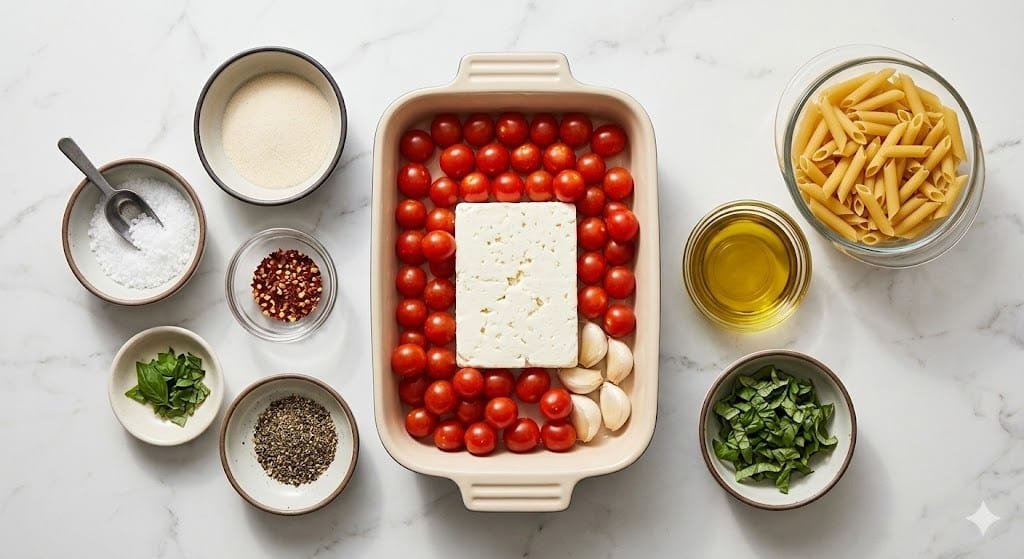
- 200g block feta cheese (the supermarket stuff is grand, but my Greek neighbor uses sheep’s milk feta—fancier but not essential)
- 2 punnets (around 400g) cherry tomatoes (when I run short, I chop up regular tomatoes—jury’s out whether that’s sacrilege)
- 3–4 garlic cloves, peeled (I go up to 5 if I’m not seeing anyone after)
- 1/3 cup extra-virgin olive oil (my gran always said to use the greenest oil you can find, but any olive oil gets the job done)
- 1 tsp dried oregano or Italian mixed herbs (sometimes I sprinkle in Herbes de Provence, if I’ve got a fancy moment happening)
- Pinch of chili flakes (totally optional, but I like the cheeky heat)
- Sea salt and black pepper, to taste
- 350g short pasta (I usually go with farfalle or penne, but honestly, whatever’s left in the pantry works; rotini, fusilli, elbows—just avoid spaghetti, trust me it gets messy)
- A handful of fresh basil leaves, torn (when all else fails, I use parsley or even rocket… my dad did once & nobody yelled)
How To Make Baked Feta Pasta—Honestly, It’s Mostly Waiting
- Preheat your oven to 200°C (about 400°F). If your oven’s weird like mine and runs hot, maybe knock it down a notch.
- Grab a baking dish (ceramic, glass—I’ve even used an old roasting tin) and toss in all your cherry tomatoes. Make sure they’re kinda evenly scattered, though it’s not a Jenga game.
- Place the feta block right in the center (push the tomatoes around to make space if you need to—the feta’s the queen here).
- Scatter the garlic cloves (just whole, honestly it works out fine) around the feta and tomatoes. Drizzle the olive oil over everything, then sprinkle on your dried oregano (or whatever herbs you’ve got). Add chili flakes if you’re feeling spicy. Don’t forget some salt and pepper.
- Pop the whole thing in the oven and bake for 30–35 minutes. The tomatoes should burst and the feta should look a bit melty and golden at the edges. (Don’t worry if it looks a bit, um, broken at this stage—stirring sorts that right out!)
- Meanwhile, cook your pasta according to the packet instructions in well-salted water (‘like the sea,’ as my old flatmate used to mumble). Reserve a cup of pasta water before draining—just in case the sauce is stubborn (I tend to forget, but you only need a splash really).
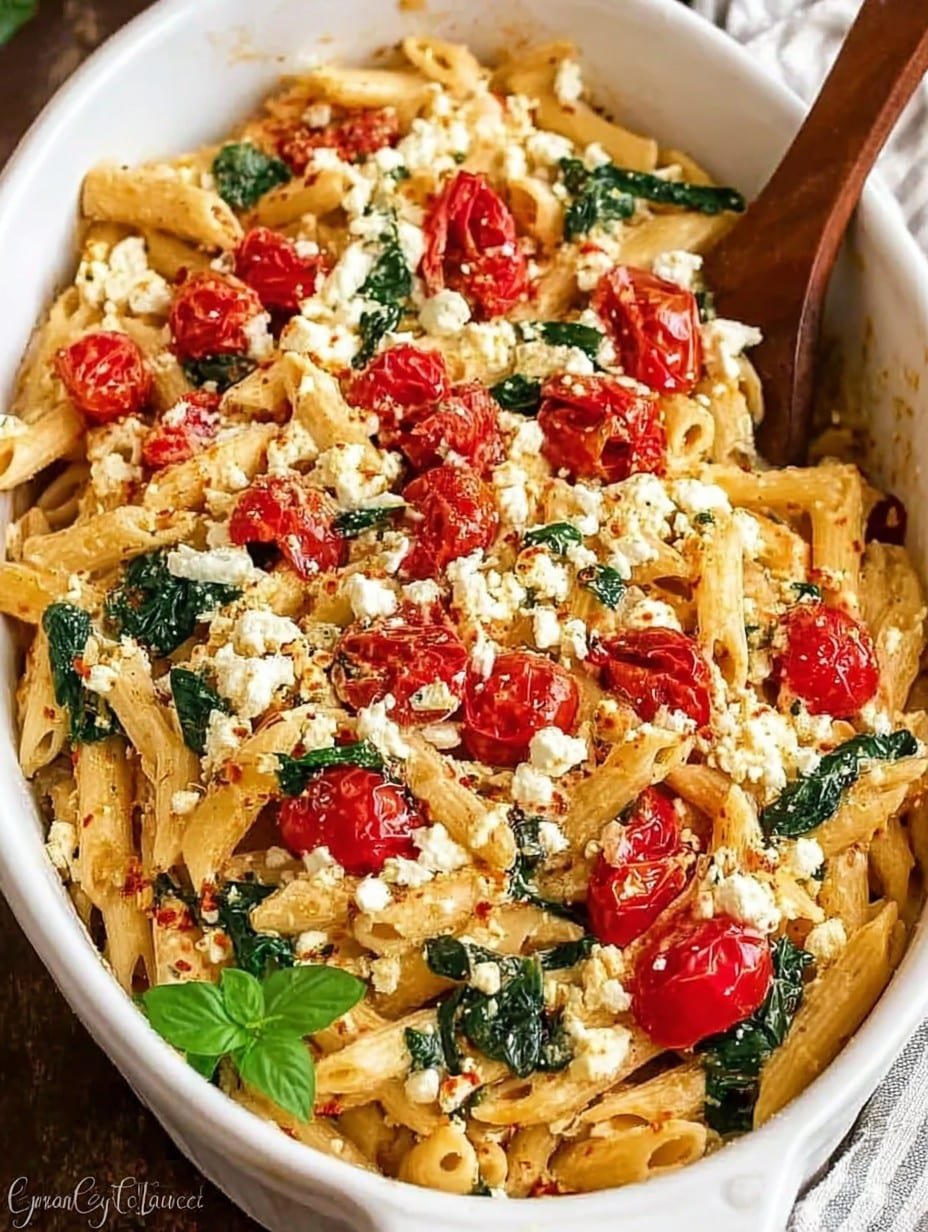
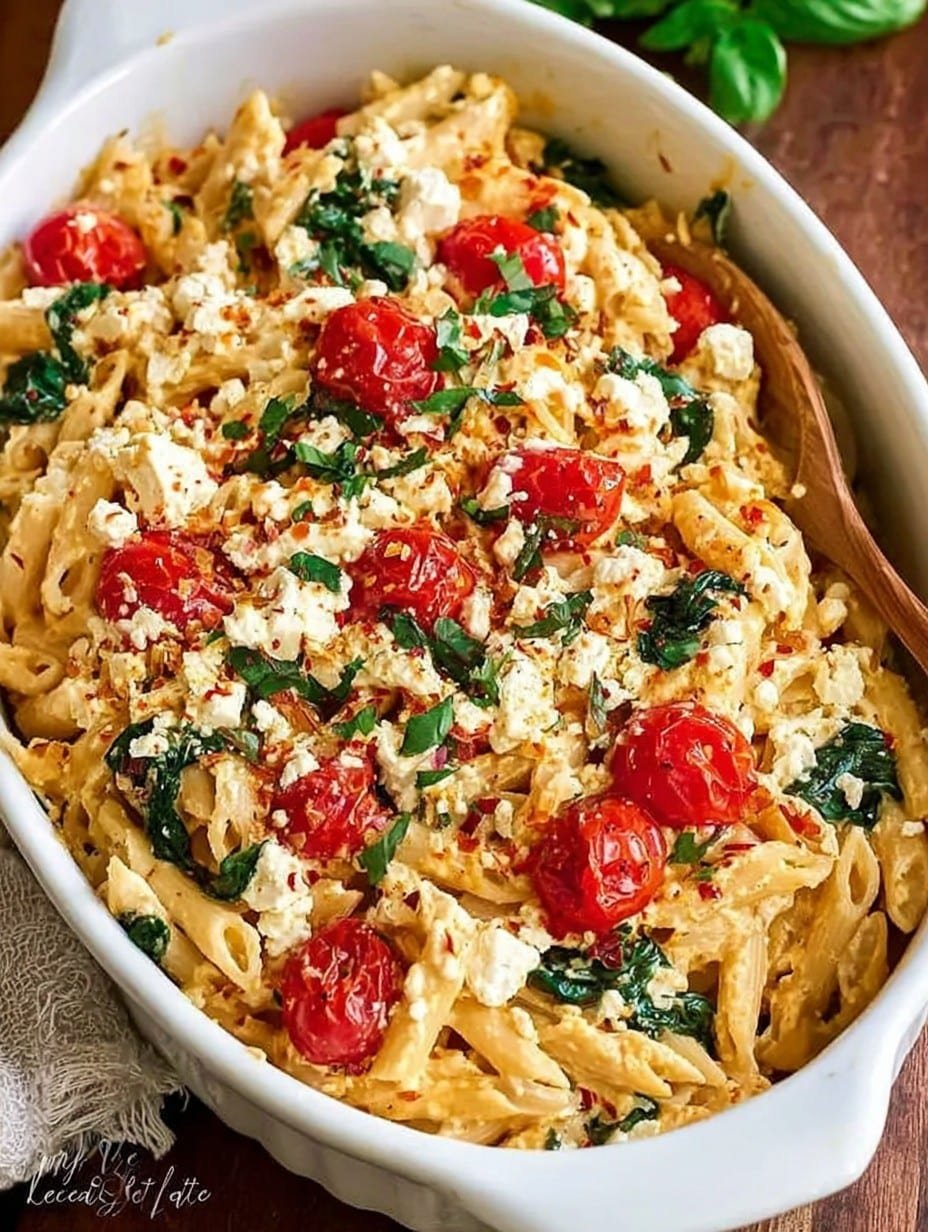
- Time to smash & mix: When your feta and tomatoes are ready, grab a fork (or a wooden spoon—whatever’s handy) and mash everything together right in the baking dish. Add your drained pasta and toss together. If the sauce looks a bit thick, add some of that pasta water you saved until it’s nice and creamy.
- Finish with torn basil, plus extra olive oil and pepper if you fancy. This is where I sneak a taste. Sometimes two. Hey, chef’s privilege, right?
Real Life Notes From Me To You
- One time I used crumbled feta instead of a block—actually, it works, but it doesn’t look as picture-perfect (tasted the same, though, so who’s judging).
- If your tomatoes don’t burst, just poke a couple with a fork at the end and mix—it’ll all blend up.
- Don’t stress if your feta turns a bit brown; it’s all flavor.
Let’s Talk Variations—What Worked (And What… Didn’t)
- Tried adding a handful of baby spinach in the last five minutes. It wilted in and turned out great—felt a bit healthy!
- Used goat cheese once (ran out of feta). It tasted all right… but not the real deal for me.
- Added roasted red peppers with the tomatoes—gave it a smoky kick that my brother liked but my mom said was “a bit much.”
- Pasta swaps are fun, but I tried whole wheat penne once—honestly, I regretted it. Bit too hearty. But hey, you do you.
Equipment—Or, What To Do When You’re Missing Stuff
- Baking dish: Anything oven-safe will work. Heck, I did this in a high-sided frying pan once. (Don’t judge, it worked.)
- Big serving spoon or fork for mixing—if you don’t have a wooden spoon, just go wild with what you’ve got.
- The usual: pot for boiling pasta, colander, and a kettle helps if you’re impatient.
How To Store (Though It Rarely Lasts!)
Leftovers keep in an airtight container in the fridge for up to two days. I think it honestly tastes better next day—cold pasta is underrated around my house—but texture gets a bit, well, mushy. Reheat gently in the microwave or on the stove with a splash of water. If you’ve got a family like mine, you might not even get that far, so good luck!
How We Like To Serve It—With A Side Of Real Life
Usually I just serve it right out of the dish with extra basil and a drizzle of oil—family style. Sometimes garlic bread or a peppery rocket salad… but last Sunday, we had it alongside oddly-matched pickled onions (leftover from tacos; we’re wild like that).
Some Lessons Learned (AKA Pro Tips… With Regrets)
- Don’t try to rush the roasting—once I yanked it out early, and the tomatoes were still whole. It’s worth waiting for the bursty goodness.
- Resist the urge to dump in raw pasta—yes, I tried once. Didn’t work, you get crunchy sadness.
- I once added way too much salt (forgot feta is salty already)—maybe season at the end if you’re nervous.
FAQ—Stuff My Friends Actually Ask, In No Order
- Do I need the fancy feta? Nope. The supermarket block works! That said, you can splash out for authentic stuff and… well, maybe you’ll notice (maybe you won’t, after a glass of wine).
- Is this dish vegetarian? Technically, yes, but check your feta brand if you’re strict—some have animal rennet. Who knew?
- Can I use different pasta? Oh totally, just steer clear of super long noodles (weird texture, messy to stir).
- What if I hate tomatoes? Oof—maybe try roasted peppers, or honestly, another recipe. Tomatoes are kind of the point here.
- How can I make it less rich? I sometimes add lemon zest after mixing, or bulk it up with arugula (rocket) or spinach. Or just eat less (not fun, but effective).
- Can I freeze it? Umm… technically, but the feta gets weird grainy. Wouldn’t really recommend, but you do you.
Somehow writing all this has made me hungry — which, if that’s not proof this recipe works, I don’t know what is. Give it a go, and let me know if you sneak any wild add-ins (unless it’s ketchup. That’s just wrong).
Ingredients
- 200g block feta cheese (the supermarket stuff is grand, but my Greek neighbor uses sheep’s milk feta—fancier but not essential)
- 2 punnets (around 400g) cherry tomatoes (when I run short, I chop up regular tomatoes—jury’s out whether that’s sacrilege)
- 3–4 garlic cloves, peeled (I go up to 5 if I’m not seeing anyone after)
- 1/3 cup extra-virgin olive oil (my gran always said to use the greenest oil you can find, but any olive oil gets the job done)
- 1 tsp dried oregano or Italian mixed herbs (sometimes I sprinkle in Herbes de Provence, if I’ve got a fancy moment happening)
- Pinch of chili flakes (totally optional, but I like the cheeky heat)
- Sea salt and black pepper, to taste
- 350g short pasta (I usually go with farfalle or penne, but honestly, whatever’s left in the pantry works; rotini, fusilli, elbows—just avoid spaghetti, trust me it gets messy)
- A handful of fresh basil leaves, torn (when all else fails, I use parsley or even rocket… my dad did once & nobody yelled)
Instructions
-
1Preheat your oven to 200°C (about 400°F). If your oven’s weird like mine and runs hot, maybe knock it down a notch.
-
2Grab a baking dish (ceramic, glass—I’ve even used an old roasting tin) and toss in all your cherry tomatoes. Make sure they’re kinda evenly scattered, though it’s not a Jenga game.
-
3Place the feta block right in the center (push the tomatoes around to make space if you need to—the feta’s the queen here).
-
4Scatter the garlic cloves (just whole, honestly it works out fine) around the feta and tomatoes. Drizzle the olive oil over everything, then sprinkle on your dried oregano (or whatever herbs you’ve got). Add chili flakes if you’re feeling spicy. Don’t forget some salt and pepper.
-
5Pop the whole thing in the oven and bake for 30–35 minutes. The tomatoes should burst and the feta should look a bit melty and golden at the edges. (Don’t worry if it looks a bit, um, broken at this stage—stirring sorts that right out!)
-
6Meanwhile, cook your pasta according to the packet instructions in well-salted water (‘like the sea,’ as my old flatmate used to mumble). Reserve a cup of pasta water before draining—just in case the sauce is stubborn (I tend to forget, but you only need a splash really).
-
7Time to smash & mix: When your feta and tomatoes are ready, grab a fork (or a wooden spoon—whatever’s handy) and mash everything together right in the baking dish. Add your drained pasta and toss together. If the sauce looks a bit thick, add some of that pasta water you saved until it’s nice and creamy.
-
8Finish with torn basil, plus extra olive oil and pepper if you fancy. This is where I sneak a taste. Sometimes two. Hey, chef’s privilege, right?
Approximate Information for One Serving
Nutrition Disclaimers
Number of total servings shown is approximate. Actual number of servings will depend on your preferred portion sizes.
Nutritional values shown are general guidelines and reflect information for 1 serving using the ingredients listed, not including any optional ingredients. Actual macros may vary slightly depending on specific brands and types of ingredients used.
To determine the weight of one serving, prepare the recipe as instructed. Weigh the finished recipe, then divide the weight of the finished recipe (not including the weight of the container the food is in) by the desired number of servings. Result will be the weight of one serving.
Did you make this recipe?
Please consider Pinning it!