So About This Baked Boursin Salmon (And My Kitchen Mishaps)
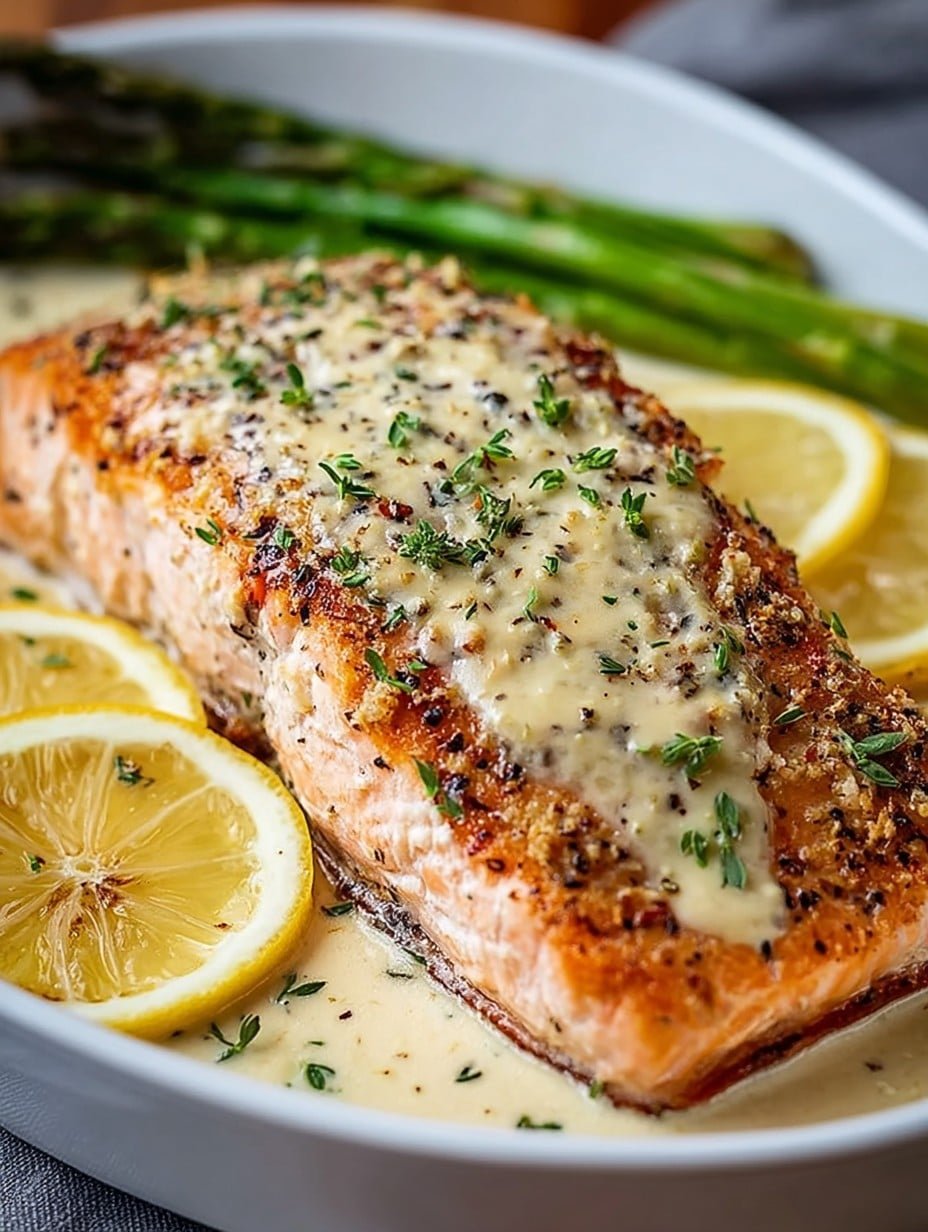
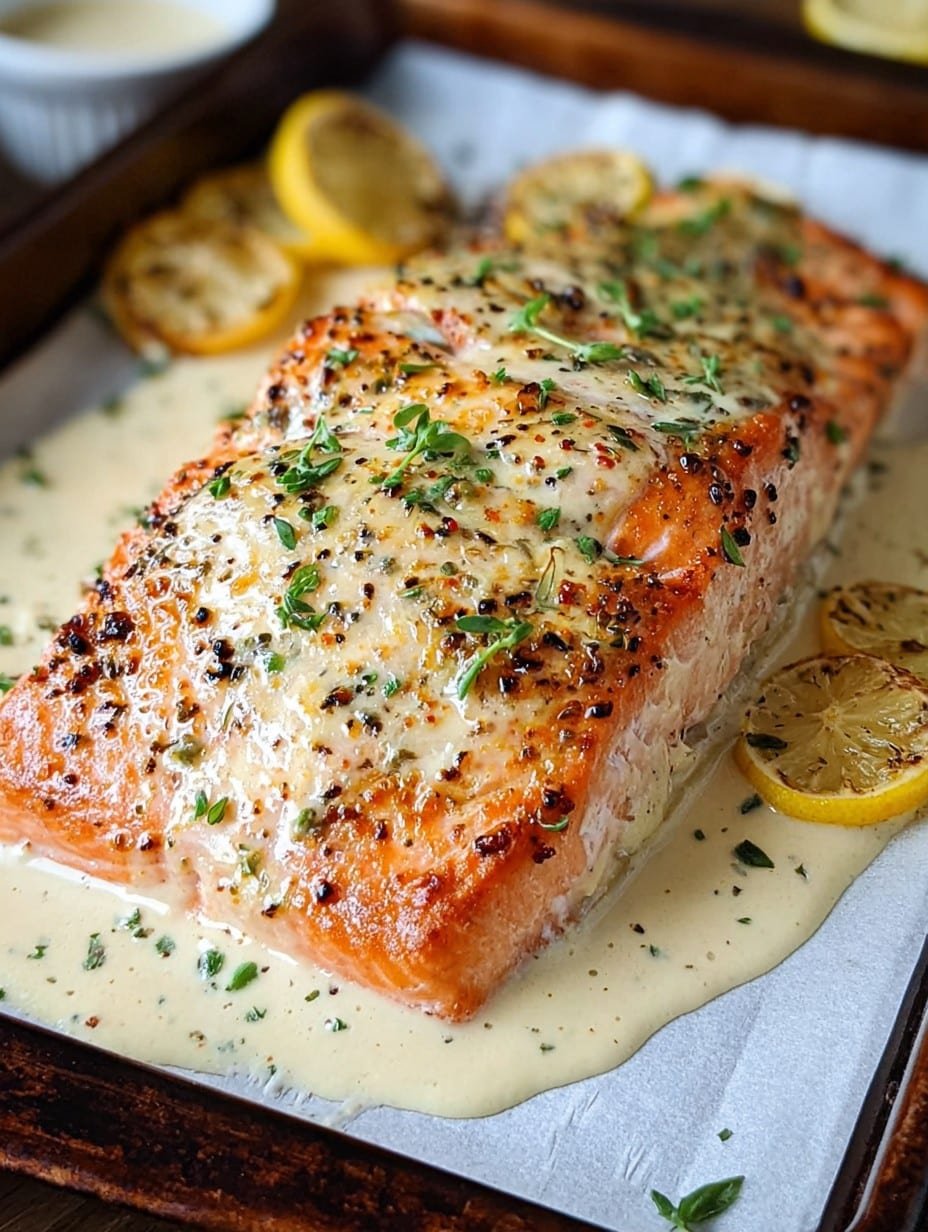
If you’ve ever stared at a fillet of salmon and wondered, “What now?” (yeah, me too), let me tell you – baked Boursin salmon is ridiculously forgiving and just a wee bit posh without much effort at all. I still remember my first attempt — I overcooked it a bit (ok, a lot), but that creamy, herby sauce did this magic trick of saving the whole dish. It’s like, even when you trip at the finish line, this recipe just dusts you off and shoves you to the dinner table anyway. Plus, my neighbor Norma tried to trade her secret lasagna recipe for mine, so… I must be doing something right, right?
Why I Keep Coming Back to This
I make this on those “let’s eat something fancy but not stress about it” nights (everyone needs one). Seriously, my crew goes wild for it — even my cousin, who usually turns up his nose at anything green. I used to fret about fish sticking to the baking tray, but this cheesy stuff makes it slide off like it’s been greased with pure luck. And honestly, some days I make extra just so I can snag the last leftover for lunch. (Confession: sometimes I eat it cold straight from the fridge. Don’t tell.)
What You’ll Need (And a Few Swaps That Totally Work)
- 4 salmon fillets (about a palm-sized piece for each person — I go for skinless, but you can absolutely leave it on if you enjoy it crispy! Fresh or frozen… just thaw the frozen ones first.)
- 1 package (about 150g) Boursin Garlic & Fine Herbs cheese (though, some folks love the Shallot & Chive version, so pick your poison)
- 1 handful cherry tomatoes, halved (grape tomatoes do in a pinch, and I’ve snuck in sun-dried tomatoes when I only had those. Tastes different, but not bad!)
- 2 tablespoons olive oil (or butter — my gran always swore by Lurpak, but any will do honestly)
- Zest from 1 lemon (I like a extra hit of zest, but sometimes I’m just lazy and skip it)
- Big pinch salt and a few cranks of black pepper
- Optional: a sprinkle of fresh dill or chopped parsley at the end (I rarely remember this until I’m halfway done eating)
The Not-So-Exact Step-by-Step
- Preheat your oven to 400°F (200°C). Or somewhere around there. If your oven runs hot like mine, maybe edge it down a smidge.
- Drizzle a bit of olive oil on the bottom of a baking dish. I sometimes just use parchment paper if I can’t be fussed with the scrubbing.
- Pat your salmon fillets dry (I always say this & then rush through it, but it really does help), lay them in snug but not packed — think pals at a movie, not sardines.
- Squish the Boursin cheese evenly over the salmon tops, smushing it so it covers as much as you can. (This is where I usually lick a finger…)
- Scatter those cherry tomatoes all around, like you’re making it look pretty for someone besides yourself.
- Zest your lemon right over, catch all the little curly bits. Squeeze half the juice too, unless you’re feeling zesty, then use the whole thing.
- Salt & pepper — don’t be shy, though if you’re using salted butter instead of oil, maybe hold back a tad.
- Pop the dish in the oven (middle rack-ish) and bake for 16 to 20 minutes, depending how thick your salmon is. I check at 18, poke the middle with a fork. If it flakes but’s still moist, you’re golden. I’m not above shoving a thermometer in (125°F is my sweet spot) if I remember.
- Rest it for a sec after pulling it out, so it soaks up those juices. I know, it smells divine; just give it a minute.
Honestly Learned Notes (From Messing Up More Than Once)
- If your Boursin won’t spread, let it warm up on the counter a bit. Once, I tried squishing it straight from the fridge and just made a mess.
- The tomatoes are totally optional, but I think they’re the little fireworks in this dish.
- I once forgot the lemon zest entirely. It wasn’t a disaster, but it really does add something bright.
Variations I’ve Played With (Let’s Be Real — Not All Winners)
- Swapped in Boursin Pepper cheese — it’s got zing, and if you like a bit of bite, you’ll rate it.
- Added thin slices of zucchini below the salmon. Tasted good but got watery — eh, maybe not my greatest.
- Peppered in some capers on top, and that actually turned out nice for my salt-fiend brother-in-law.
- Tried this with cod once instead of salmon. The cod flaked apart, but it was… fine? Not quite as lush as salmon though, at least to me.
What If I Don’t Have the Right Equipment?
You’ll need a baking dish — even an old roasting tin. I used a pie tray once (not proud, but it worked). If you lack parchment, just oil that dish well. Baking paper is handy if your salmon “loves to stick,” as my mum’s always said.
Storing Leftovers (Though They Don’t Last Around Here)
Pop leftovers in an airtight container and chuck them in the fridge. Technically fine for 2 days, but honestly, it always disappears the next day. Reheat gently or try cold over salad greens — that’s my sneaky lunch when no one’s looking.
How I Serve It (Not Fancy, Just Good)
I love this with a buttery mash or some crispy roast potatoes. If I’m pretending to be healthy, a big salad works (though I always end up adding croutons). Once for a Sunday lunch, I served it with broccolini and a glass of white wine. My aunt brought garlic bread, so we mopped up the sauce British style — not sorry about it.
Lessons Learned (The Hard Way, Of Course)
- I tried to rush the bake time one night by using super high heat — bad plan. The Boursin burned, and the salmon resembled cardboard.
- If you skip the resting stage, you’ll lose juices; learned this the gooey way more than once.
- Always taste your Boursin before piling it on. Once I bought an “extra garlicky” version, and whoo boy, the next day was… potent.
Your Salmon Questions, Answered (Or at Least, My Take)
Can I use frozen salmon?
Yep! Just let it thaw first (fridge overnight is safest), then pat dry and proceed as normal. Learnt that the hard way when I baked frozen salmon and it leaked all over.
Is this too rich for kids?
Funny you ask… My niece hates most cheese, but scoffs this down. The Boursin melts into a sauce, so it tastes less “fancy cheese” and more like a creamy blanket over fish. You know?
What if I can’t find Boursin?
Cream cheese with a pinch of garlic powder and herbs works. Not identical, but I’ve fooled picky eaters with it a few times.
Can I make it ahead for guests?
Actually, it’s best baked just before eating. But you can assemble ahead and stash in the fridge for a couple of hours. Then just bake it off when your guests land.
Skin on or skin off?
Honestly, up to you! Skin gets crispy if exposed, but I usually go skinless for simplicity. Both ways are delish.
Oh, and on a completely unrelated note: I found my old school photo tucked behind my spice drawer while looking for dill. No idea how it got there, but it did remind me the kitchen’s full of surprises — just like this recipe, honestly.
Ingredients
- 4 salmon fillets (about 6 oz each)
- 1 package (5.2 oz) Boursin garlic & herb cheese
- 1 tablespoon olive oil
- 1 teaspoon lemon zest
- 2 tablespoons lemon juice
- 1 teaspoon fresh dill, chopped (plus more for garnish)
- 1/2 teaspoon salt
- 1/4 teaspoon ground black pepper
Instructions
-
1Preheat the oven to 400°F (200°C). Line a baking dish with parchment paper or lightly grease it.
-
2Pat the salmon fillets dry with paper towels. Place them skin-side down in the prepared baking dish.
-
3In a small bowl, mix together the Boursin cheese, olive oil, lemon zest, lemon juice, and chopped dill until well combined.
-
4Spread the Boursin mixture evenly over the top of each salmon fillet. Season with salt and black pepper.
-
5Bake for 16-18 minutes, or until the salmon is cooked through and flakes easily with a fork.
-
6Garnish with additional fresh dill and serve hot with your favorite sides.
Approximate Information for One Serving
Nutrition Disclaimers
Number of total servings shown is approximate. Actual number of servings will depend on your preferred portion sizes.
Nutritional values shown are general guidelines and reflect information for 1 serving using the ingredients listed, not including any optional ingredients. Actual macros may vary slightly depending on specific brands and types of ingredients used.
To determine the weight of one serving, prepare the recipe as instructed. Weigh the finished recipe, then divide the weight of the finished recipe (not including the weight of the container the food is in) by the desired number of servings. Result will be the weight of one serving.
Did you make this recipe?
Please consider Pinning it!!