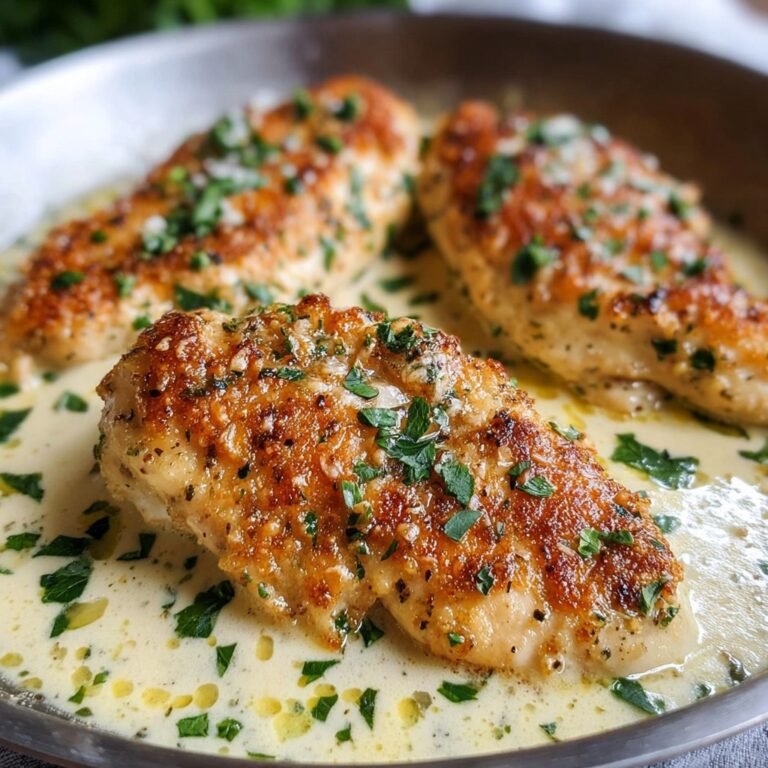
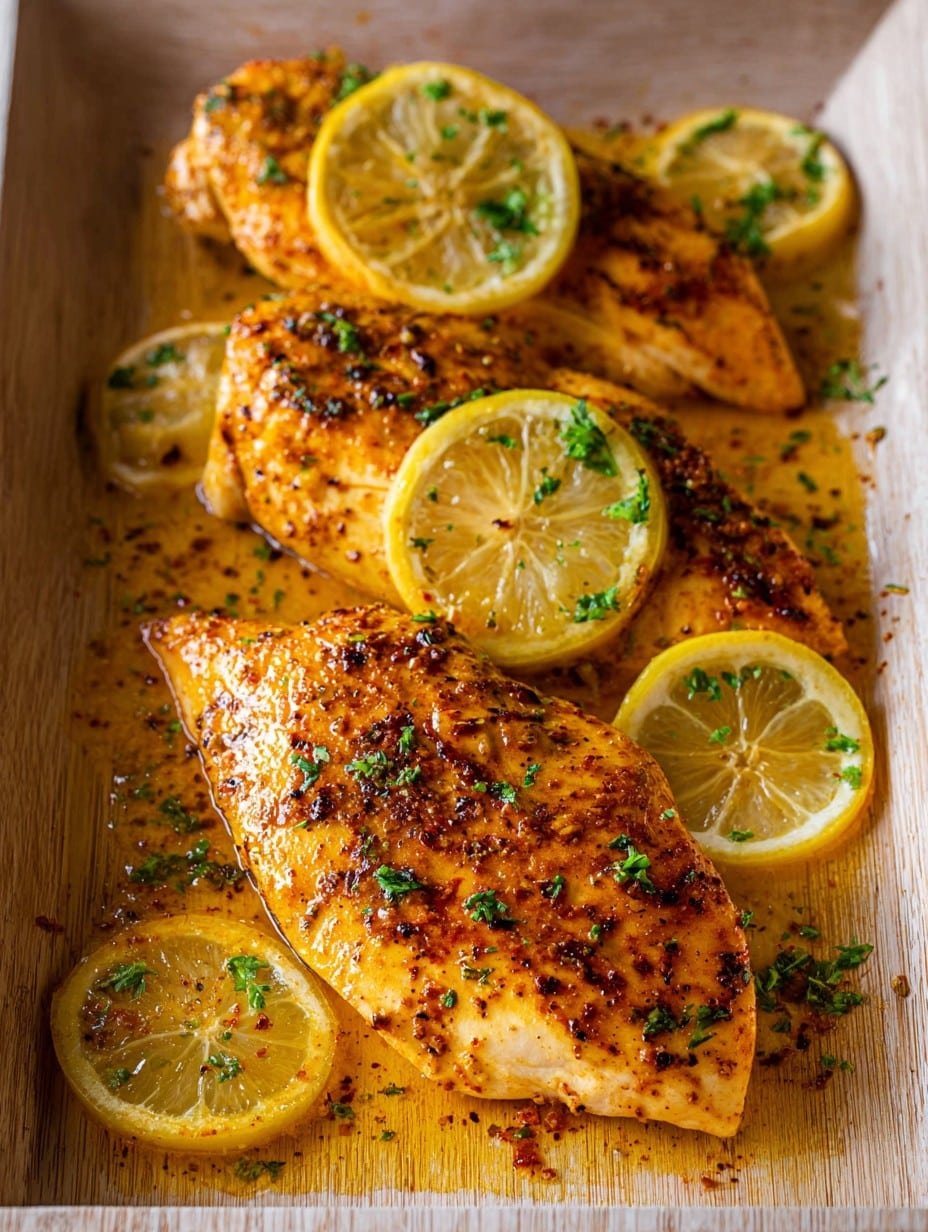
Okay, let me tell you, these lemon chicken breasts are practically my weeknight security blanket. I still remember the first time I tried them on a Tuesday (when I was utterly knackered and out of ideas)—I just started tossing things in a pan out of desperation. The whole house smelled so sunny and bright that my son wandered in asking, “Did you bake a cake?” He was mildly disappointed it wasn’t cake, but ate two helpings anyway. If a chicken dish can distract a kid from dessert, that’s a proper win in my book.
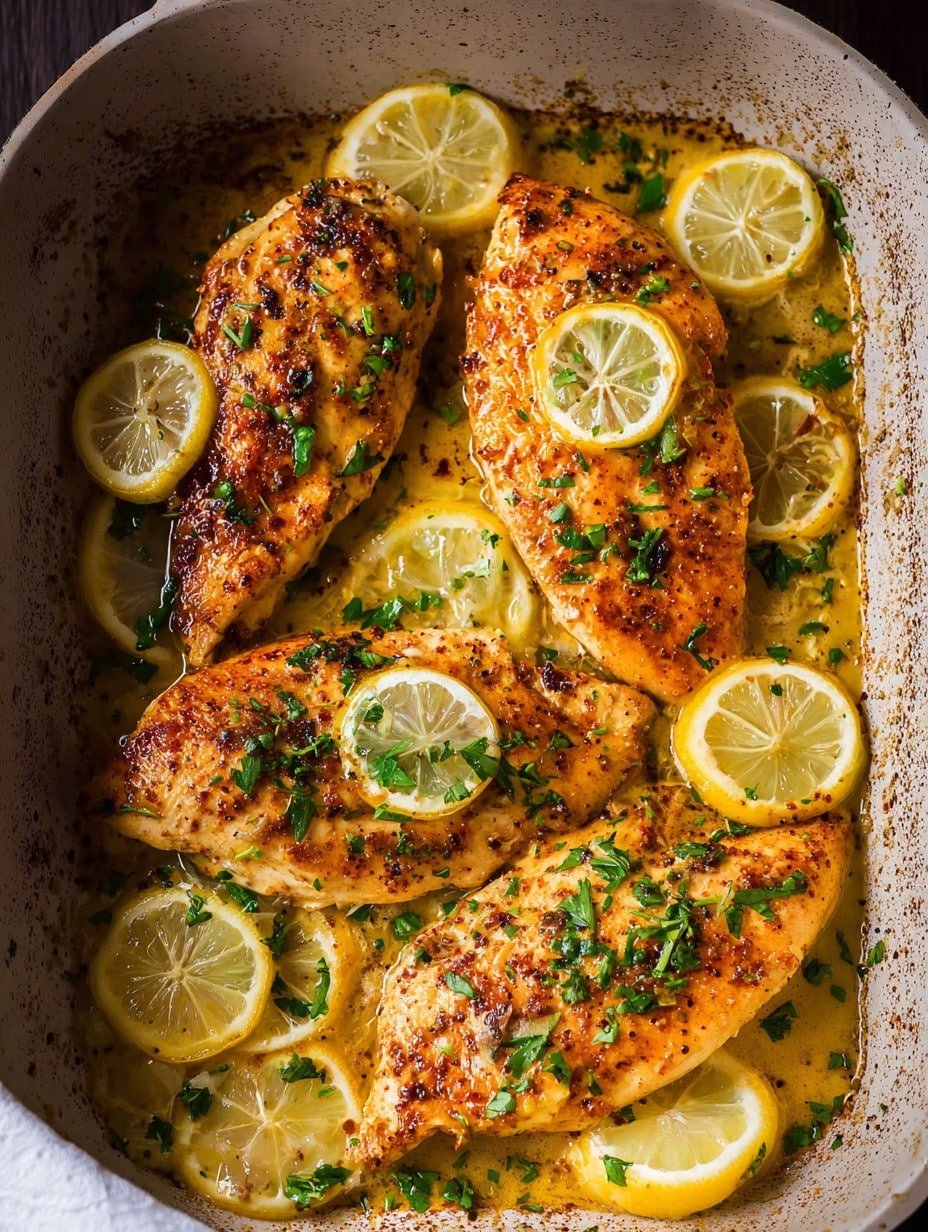
Why You’ll Love This Lemon Chicken (I mean, I do…)
I make this when I can’t BEAR the thought of another bland chicken dinner. My family sort of expects it after any rough day (or when lemons are about to become science experiments in the fruit bowl). The sauce is tangy, buttery, super simple—you just need a pan, and honestly, even that sometimes feels ambitious. Not gonna lie, I once tried roasting it instead (because multitasking) and forgot it in the oven. Charcoal chicken isn’t a delicacy, friends.
What You’ll Need (and how I wing it)
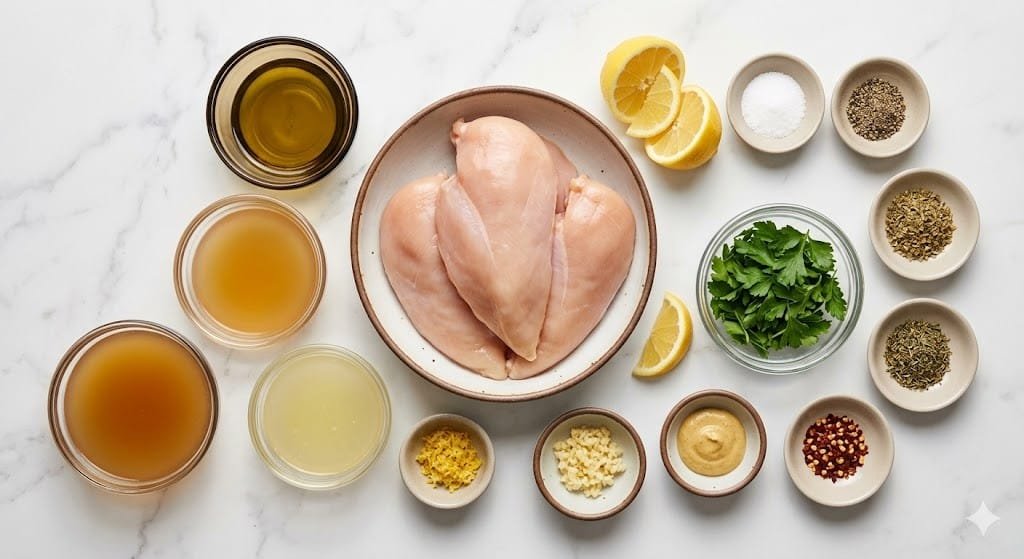
- 2 large boneless, skinless chicken breasts (sometimes I use thighs if that’s all I have—I’m flexible like that)
- 1 tablespoon olive oil (or that veggie oil you forgot at the back of the cupboard)
- 1 tablespoon butter (my grandmother swore by Irish butter, but honestly, store brand does the job fine)
- Salt and black pepper – “to taste,” as the fancy recipes say (about 1/2 tsp each if you need a ballpark)
- 1/2 teaspoon garlic powder (or a clove of fresh if you can be bothered to mince—I usually can’t, but maybe you’re fancier)
- Zest of one lemon (I always zest before juicing, because I never remember otherwise)
- 3 tablespoons fresh lemon juice (bottled is passable, but fresh kinda gives it a zing)
- 1/2 cup chicken broth (in a pinch, I’ve used veg stock or even just water with a pinch of bouillon—it’s chicken, not rocket science)
- 1 teaspoon dried Italian herbs (oregano, basil, you name it; fresh if you’re fancy, but I rarely am)
- Optional: 2 tablespoons chopped fresh parsley for garnish (if you need your food to look like it came from a magazine)
Let’s Do This: How I Get Dinner on the Table
- Pat your chicken breasts dry with a paper towel. This isn’t to be fancy; it just helps them brown (and otherwise they get kind of steamy, which is… meh).
- Season both sides with salt, black pepper, and garlic powder. I do one side, then forget which side I started with and do both again half the time. No harm done; just more flavor.
- Heat the olive oil and butter together in a large skillet over medium-high heat until the butter’s foamy but not brown. If you wait until it gets brown, it’s still fine–just calls itself “nutty.”
- Add the chicken breasts. Sear for about 4-5 minutes per side, until golden. If they stick a little, just be patient—or use a nonstick if you can’t be bothered with scraping. This is where I usually sneak a taste (just the crispy bits in the pan—not raw chicken obviously).
- When they’re nicely golden, toss in the lemon zest, lemon juice, and chicken broth. The smell at this point is *chef’s kiss*—don’t worry if it looks a bit weird; it all comes together.
- Sprinkle over the Italian herbs. Turn the heat down to low, cover with a lid (or a big plate if you can’t find a lid like me), and let it simmer for another 7-9 minutes. I’d check at 7 if your chicken breasts are on the smaller side—just poke with a knife and see if the juices run clear.
- Remove the pan from heat. Let the chicken rest for 2-3 minutes before slicing. Actually, I find it’s juicier if you wait, but sometimes I just can’t resist.
- Scatter the parsley on top if you’re going for the whole “look at my masterpiece” aesthetic. If not, just scoop and serve.
Notes I’ve Picked Up Along the Way
- Lemons can vary a lot in sharpness. I once had one that tasted like a battery—I use a taste-test rule now; start with less juice and add more if you dare.
- If you forget to zest before juicing, don’t sweat it. Give it a rough chop and throw some in anyway. It’s rustic!
- This really does taste good cold the next day (maybe even better—I sometimes hide a piece for my lunch).
Variations I Accidentally Discovered (and one miss!)
- Tried swapping the chicken for pork chops once. Not bad, but I think it needs a bit more sweetness.
- If you like a creamy sauce, swirl in a splash of cream at the end. Or a spoonful of Greek yogurt (which, okay, split on me once, but who cares? Tasted fine.)
- Once I went off-piste and added capers—not everyone loved it, but more for me. (Capers aren’t for everyone, right?)
What If I Don’t Have a Skillet?
I sometimes just use a regular soup pot or even my battered nonstick pan. If your pan isn’t oven-safe, skip browning under the broiler at the end (which, to be honest, I rarely have the patience for anyway). No need for anything specialist.
How to Store (Though, Let’s Be Real, It Hardly Ever Lasts)
If you must, keep leftovers in an airtight container in the fridge. Good for 2 days, but it never survives past breakfast the next morning, because apparently it makes a great sandwich (according to other family members who raid the fridge at night—rascals).
What I Serve with It (Mostly When I’m Feeling Fancy… or Hungry)
This is spot-on with fluffy rice, roasted potatoes, or even over spaghetti (I know, not traditional, but carbs are carbs). Sometimes I serve some wilted greens on the side (or just whatever’s on hand). My Dad swears it needs nothing but bread to mop up the sauce, so I let him loaf around—pun intended.
Lessons I Learned the Hard Way (aka “Pro Tips”)
- Don’t rush the browning step: I once tried doing it over high heat to save time, and ended up with burned butter and pale chicken. Not delicious.
- If your sauce feels too thin, just let it bubble a bit with the lid off. But don’t wander off to check your email—I nearly boiled it dry once.
Real FAQ (Things People Have Actually Asked Me!)
- Can I use chicken thighs? Absolutely! They actually come out juicier—but you may need to cook them a couple more minutes.
- Is this dish super lemony? Well, it depends. I love a sharp lemon hit, but you can cut back (or up) the juice to taste. My sister once said, “It’s like summer on a plate,” but that’s because she accidentally doubled the lemon. Oops.
- Do I need to marinate the chicken? Nope. No time for that faff on a weeknight. But sometimes I rub on the seasoning early if I’m feeling organized.
- Can I freeze leftovers? I mean… you could. I’ve never managed it because there’s never any left. Chicken does get a bit weird after freezing, to be honest (sometimes goes a touch rubbery).
- What if my sauce is too tangy? Honestly, just swirl in a knob of butter, or toss in a tiny bit of sugar or honey. Works like a charm.
That’s the whole story. If you try this and it doesn’t totally work out, don’t stress. Sometimes it’s just one of those days—the kind where you eat the lemon chicken straight out of the pan, shoes still on, because it’s honestly that good.
Ingredients
- 2 large boneless, skinless chicken breasts (sometimes I use thighs if that’s all I have—I’m flexible like that)
- 1 tablespoon olive oil (or that veggie oil you forgot at the back of the cupboard)
- 1 tablespoon butter (my grandmother swore by Irish butter, but honestly, store brand does the job fine)
- Salt and black pepper – “to taste,” as the fancy recipes say (about 1/2 tsp each if you need a ballpark)
- 1/2 teaspoon garlic powder (or a clove of fresh if you can be bothered to mince—I usually can’t, but maybe you’re fancier)
- Zest of one lemon (I always zest before juicing, because I never remember otherwise)
- 3 tablespoons fresh lemon juice (bottled is passable, but fresh kinda gives it a zing)
- 1/2 cup chicken broth (in a pinch, I’ve used veg stock or even just water with a pinch of bouillon—it’s chicken, not rocket science)
- 1 teaspoon dried Italian herbs (oregano, basil, you name it; fresh if you’re fancy, but I rarely am)
- Optional: 2 tablespoons chopped fresh parsley for garnish (if you need your food to look like it came from a magazine)
Instructions
-
1Pat your chicken breasts dry with a paper towel. This isn’t to be fancy; it just helps them brown (and otherwise they get kind of steamy, which is… meh).
-
2Season both sides with salt, black pepper, and garlic powder. I do one side, then forget which side I started with and do both again half the time. No harm done; just more flavor.
-
3Heat the olive oil and butter together in a large skillet over medium-high heat until the butter’s foamy but not brown. If you wait until it gets brown, it’s still fine–just calls itself “nutty.”
-
4Add the chicken breasts. Sear for about 4-5 minutes per side, until golden. If they stick a little, just be patient—or use a nonstick if you can’t be bothered with scraping. This is where I usually sneak a taste (just the crispy bits in the pan—not raw chicken obviously).
-
5When they’re nicely golden, toss in the lemon zest, lemon juice, and chicken broth. The smell at this point is *chef’s kiss*—don’t worry if it looks a bit weird; it all comes together.
-
6Sprinkle over the Italian herbs. Turn the heat down to low, cover with a lid (or a big plate if you can’t find a lid like me), and let it simmer for another 7-9 minutes. I’d check at 7 if your chicken breasts are on the smaller side—just poke with a knife and see if the juices run clear.
-
7Remove the pan from heat. Let the chicken rest for 2-3 minutes before slicing. Actually, I find it’s juicier if you wait, but sometimes I just can’t resist.
-
8Scatter the parsley on top if you’re going for the whole “look at my masterpiece” aesthetic. If not, just scoop and serve.
Approximate Information for One Serving
Nutrition Disclaimers
Number of total servings shown is approximate. Actual number of servings will depend on your preferred portion sizes.
Nutritional values shown are general guidelines and reflect information for 1 serving using the ingredients listed, not including any optional ingredients. Actual macros may vary slightly depending on specific brands and types of ingredients used.
To determine the weight of one serving, prepare the recipe as instructed. Weigh the finished recipe, then divide the weight of the finished recipe (not including the weight of the container the food is in) by the desired number of servings. Result will be the weight of one serving.
Did you make this recipe?
Please consider Pinning it!