
A Soup That’s Saved My Neck (More Than Once)
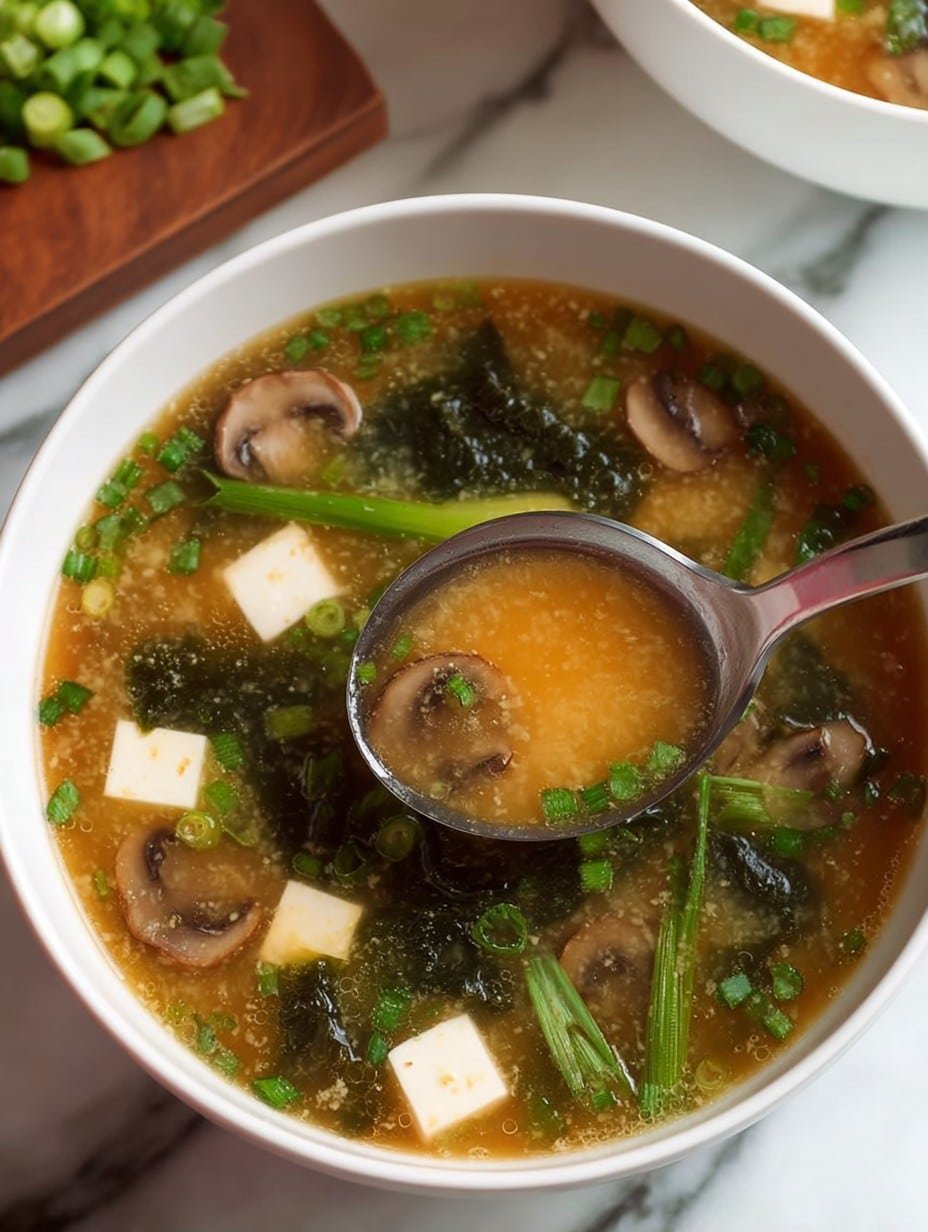
Alright, so let me tell you about the time I realized miso soup was basically my kitchen safety net. I think it was during a nasty rainy spell last spring — the sort that makes you want to wear two pairs of socks (which I did, but that’s not important), and the fridge wasn’t exactly brimming with options. Out came the miso paste I’d almost forgotten, some slightly floppy green onions, and a very questionable packet of tofu. Miso soup went from “background Japanese side dish” to absolute hero, and now it’s my go-to whenever I need something warming but genuinely easy (and hey, it’s secretly good for you). Funny thing is, I used to think making miso soup was mysterious—like, did it require some secret noodle society? Spoiler: it really, really doesn’t.
Why I Keep Coming Back to This Soup
I make this when my brain’s too tired for real decisions, or if someone’s coming down with a cold (it’s not medicine, but steam and miso are a thing). My family actually cheers a little when I offer miso soup with dinner instead of, say, another uninspired salad. And my kids nearly inhale it—which is wild because they claim they “hate tofu” except when it’s floating in here. But (here’s the annoying bit) if I use the fancy dashi stock, my partner always acts like it’s worthy of a restaurant. Don’t get me wrong, I love that, but instant dashi or just a cheats’ veg broth works too. Even if you forget the seaweed or overboil the tofu a bit. I absolutely have. More than once!
What You’ll Need (And What’s Totally Swappable)
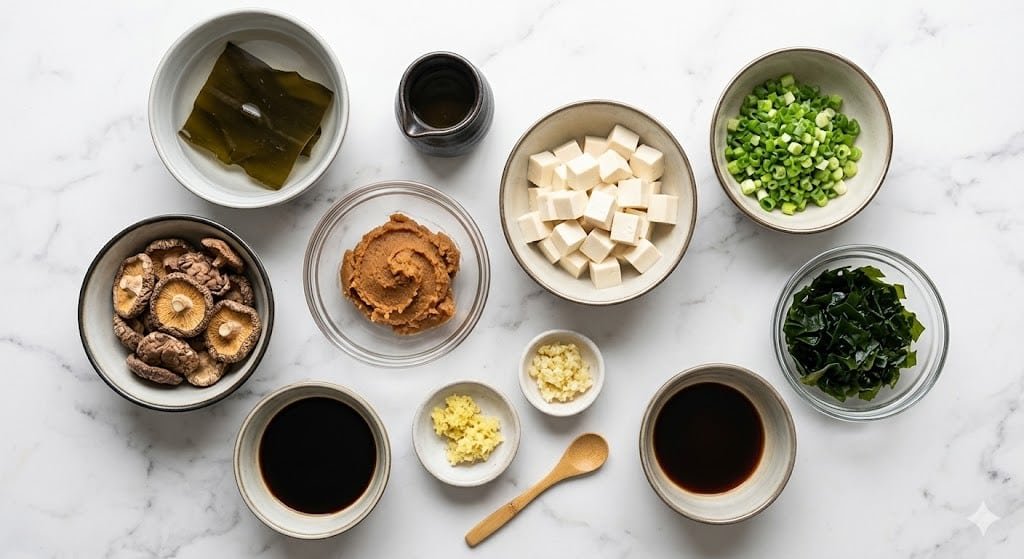
- 4 cups (about 1 liter) gluten free vegetable broth or dashi stock (sometimes I use store-bought veggie broth if I’m out of dashi powder—nobody complains)
- 3 tablespoons white or yellow miso paste (my grandmother swore by red, but honestly, any gluten free miso paste does the trick)
- 150g silken or firm tofu, cut into cubes (I’ll even use semi-firm if that’s lingering in the fridge)
- 2 green onions, sliced thin (also known as scallions, unless you’re in Ireland where I think they just call everything an onion)
- a handful of dried wakame (seaweed), rinsed (if you can’t find that, tiny spinach leaves work in a pinch; not traditional, but it’s fine)
- Optional: a splash of tamari (gluten free soy sauce) for saltiness—some days I want that extra punch, some days I forget
Here’s How I Throw It Together
- Bring the veggie broth or dashi stock to a gentle simmer in a medium pot (this is when I dig for lost tofu at the back of the fridge, not recommended).
- Add the tofu cubes gently—not like I do, where I inevitably drop a few and end up with that weird splosh sound.
- Toss in the wakame. Just a handful—don’t worry, it’ll plump up fast and look like a lot more than you started with.
- Simmer just a couple minutes—think, enough time to wash the green onions and daydream about a beach holiday.
- Now, take a ladleful of the hot broth and combine it with the miso paste in a small bowl or mug. Stir it around ‘til smooth-ish (sometimes I use chopsticks; a fork or a tiny whisk is grand too).
- Pour the now-loosened miso gently back into the pot. Give everything a gentle swirl, but turn off the heat—don’t boil it past this point, or it’ll taste a little muddy (I learned that the hard way, oops).
- Add sliced green onions at the end. If using, splash in a bit of tamari for that salty thing. Give it a taste—this is where I usually sneak a sip, just in case it “needs something.”
- Serve hot in bowls. Honestly, it’s best eaten right away, but if you must, you can keep it warm on the stove for a little while.
Notes (Or, Stuff I Wish I’d Known Sooner)
- Boiling miso paste zaps the flavor—gently stir it in after turning off the heat. I used to just dump it in like a soup cube, which, yeah… don’t.
- If you’re out of wakame, just skip it, or try a few baby spinach leaves. Seaweed’s traditional, but soups are about what’s in your fridge sometimes.
- Firm tofu floats and holds up; silken tofu kind of melts into things in a lovely way, but it does disappear if you stir too vigorously.
- Miso soup might change color or separate if left too long. Still tasty, just not as pretty.
Variations I’ve Experimented With (Some Were Winners…)
- Adding mushrooms — enoki or shiitake work. Button mushrooms? Eh, they’re fine but honestly, it didn’t wow me.
- Thin carrot matchsticks add crunch and a touch of sweetness. But I once sliced them too big and they took forever — now I use a veggie peeler.
- Once I tossed in a spoonful of cooked rice and called it “miso rice soup”—it was surprisingly filling. Not exactly traditional, but nice on cold nights.
- Tried making it with red lentils one tired night (trying to get more protein in). That one was not great, would not do again.
Equipment (Or, What If I Don’t Own a Ladle?)
If you’ve got a pot and a spoon, you’re sorted. I always use a small whisk for the miso paste, but a fork or even chopsticks will work. No ladle? Just use a heatproof mug to scoop—it’ll do in a pinch. And if you’re missing fancy soup bowls, any old mug or cereal bowl has gotten the job done for me.
How I (Try To) Store the Leftovers
You can keep leftover miso soup in the fridge, covered, for about two days, but honestly, in my house it never survives that long! If you do reheat, just warm gently, don’t boil—learned this after the miso got all sad and lumpy once. Sometimes the tofu gets a bit rubbery, but I kind of like it.
Serving Time! Here’s What I Love to Do
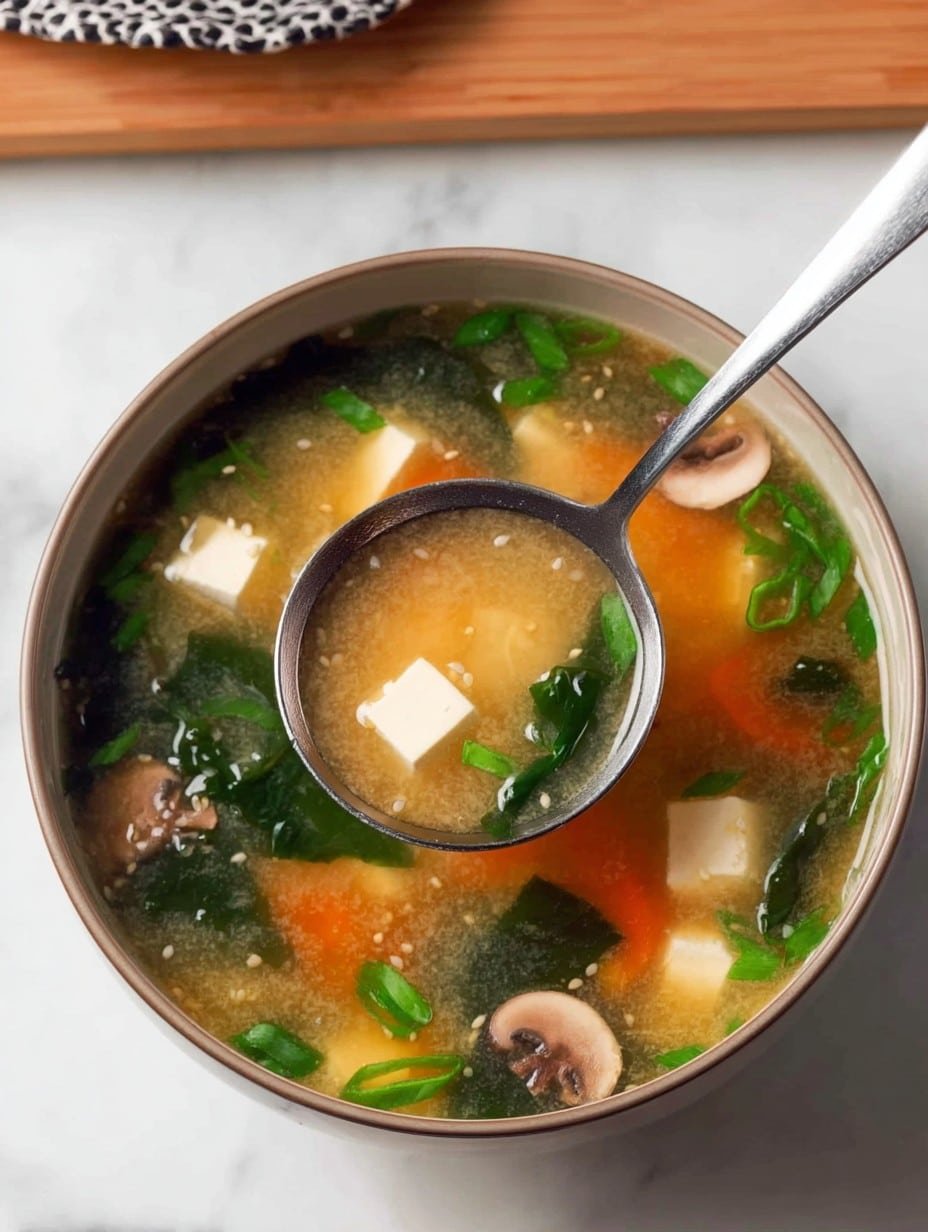
Serve this hot, ideally with those tiny Japanese soup spoons if you have them (I bought mine from a thrift shop, they’re awesome). My kids insist on adding extra green onion on top—and sometimes a sprinkle of toasted sesame seeds, though that’s not the norm. Fun tip: Try it with a side of rice or a cheeky salmon onigiri. Proper comfort food, if you ask me.
Pro Tips (AKA, Learn from My Stubbornness)
- Don’t try to rush melting the miso paste—if you just dump it in, you’ll end up with weird salty lumps. I did this twice in one week before realizing my mistake. Take the minute to make it smooth with hot broth first.
- If your seaweed looks scary and alien, that means it’s working. Trust the process, it’ll be fine!
- If your soup tastes oddly flat, add a dab more miso or tamari, or (real talk) a squirt of lemon for zing. Not authentic, but brightens everything.
FAQs—Things People Keep Asking Me
- Can I make this vegan?
- Yep, just stick to veggie broth instead of dashi if you can’t find vegan dashi powder. Actually, pure veggie broth is lovely, just a touch sweeter.
- Is miso paste always gluten free?
- No, so check the label. Most white and yellow miso pastes are, but some brands add barley or wheat. I once learned this the hard way after already making the soup—read the labels, folks!
- Can I freeze miso soup?
- Technically, sure, but I wouldn’t. The tofu texture gets very odd and the soup separates after thawing; my freezer is already chaotic enough.
- What protein can I add if I’m out of tofu?
- I’ve tried sliced boiled egg (not Japanese, but good) or just leaving it out and loading up the veggies. Or even cooked chicken bits if you’re not veggie—use what you have!
- Why does my soup turn grainy?
- Most often it’s from boiling after adding miso. Next time, try adding paste off the heat, melt it in a bowl first, and see if it’s smoother. Works for me every time.
Oh, and did I ever tell you about the time I tried using miso in porridge by mistake? Don’t. It was memorable, and not in a good way. Stick with the soup—it’s a keeper.
Ingredients
- 4 cups (about 1 liter) gluten free vegetable broth or dashi stock (sometimes I use store-bought veggie broth if I’m out of dashi powder—nobody complains)
- 3 tablespoons white or yellow miso paste (my grandmother swore by red, but honestly, any gluten free miso paste does the trick)
- 150g silken or firm tofu, cut into cubes (I’ll even use semi-firm if that’s lingering in the fridge)
- 2 green onions, sliced thin (also known as scallions, unless you’re in Ireland where I think they just call everything an onion)
- a handful of dried wakame (seaweed), rinsed (if you can’t find that, tiny spinach leaves work in a pinch; not traditional, but it’s fine)
- Optional: a splash of tamari (gluten free soy sauce) for saltiness—some days I want that extra punch, some days I forget
Instructions
-
1Bring the veggie broth or dashi stock to a gentle simmer in a medium pot (this is when I dig for lost tofu at the back of the fridge, not recommended).
-
2Add the tofu cubes gently—not like I do, where I inevitably drop a few and end up with that weird splosh sound.
-
3Toss in the wakame. Just a handful—don’t worry, it’ll plump up fast and look like a lot more than you started with.
-
4Simmer just a couple minutes—think, enough time to wash the green onions and daydream about a beach holiday.
-
5Now, take a ladleful of the hot broth and combine it with the miso paste in a small bowl or mug. Stir it around ‘til smooth-ish (sometimes I use chopsticks; a fork or a tiny whisk is grand too).
-
6Pour the now-loosened miso gently back into the pot. Give everything a gentle swirl, but turn off the heat—don’t boil it past this point, or it’ll taste a little muddy (I learned that the hard way, oops).
-
7Add sliced green onions at the end. If using, splash in a bit of tamari for that salty thing. Give it a taste—this is where I usually sneak a sip, just in case it “needs something.”
-
8Serve hot in bowls. Honestly, it’s best eaten right away, but if you must, you can keep it warm on the stove for a little while.
Approximate Information for One Serving
Nutrition Disclaimers
Number of total servings shown is approximate. Actual number of servings will depend on your preferred portion sizes.
Nutritional values shown are general guidelines and reflect information for 1 serving using the ingredients listed, not including any optional ingredients. Actual macros may vary slightly depending on specific brands and types of ingredients used.
To determine the weight of one serving, prepare the recipe as instructed. Weigh the finished recipe, then divide the weight of the finished recipe (not including the weight of the container the food is in) by the desired number of servings. Result will be the weight of one serving.
Did you make this recipe?
Please consider Pinning it!