Have a Sourdough Starter? Make Scones with That Discard!
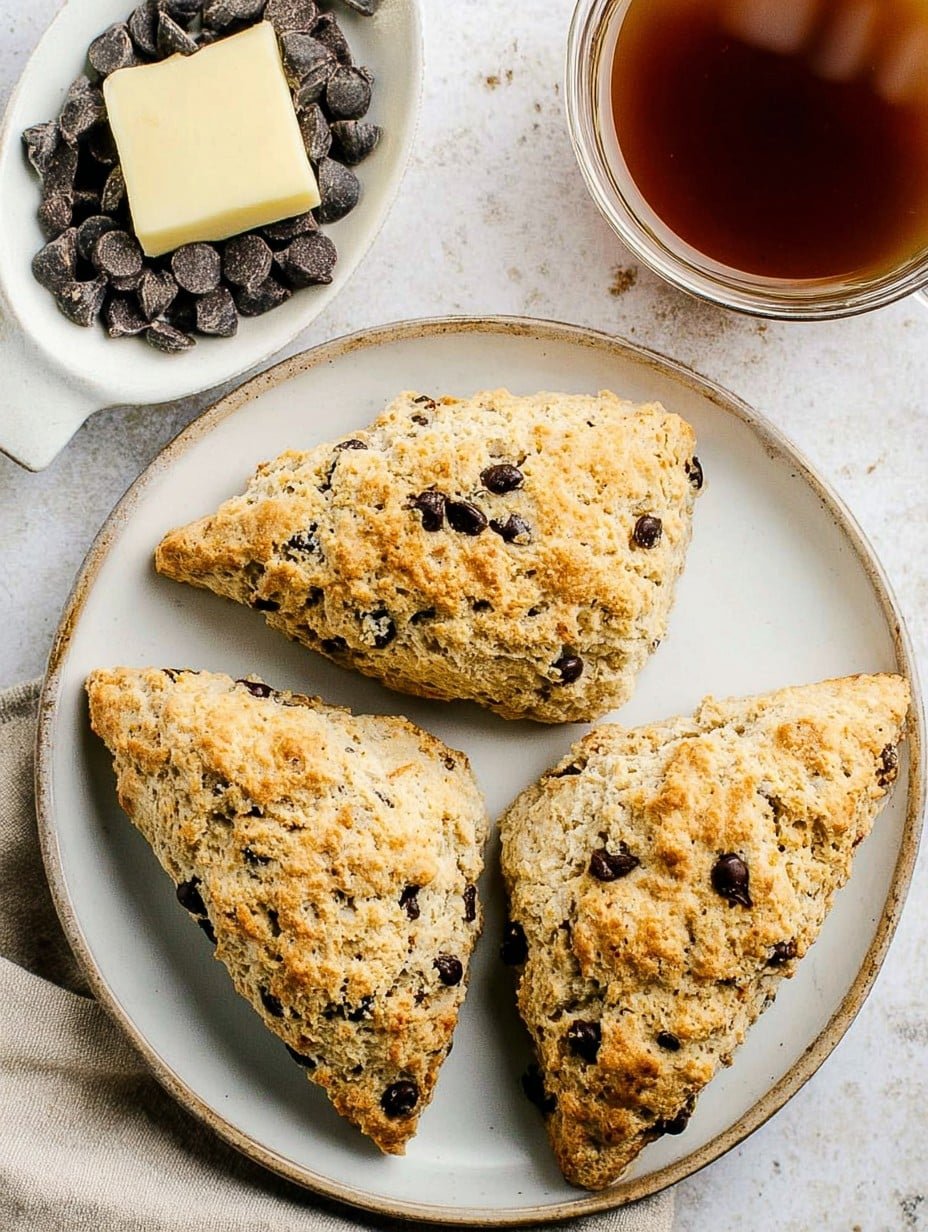
Let me tell you, I tripped into sourdough like everyone else in 2020, but stuck around for the discard recipes. Honestly, I make these scones when my starter’s looking at me guiltily from the fridge (like, hey, are you going to use me or what?). I first made them on a rainy Saturday when I didn’t even have enough eggs for anything fancy, but I had that jar of discard humming away. My niece calls these “breakfast cookies,” which would annoy me if she wasn’t so cute. Anyway, if you’ve ever wondered what humans actually do with all that leftover starter, well—here you go. Scones, but with chocolate. Because you deserve it.
Why I Keep Coming Back To This
I bake these whenever I want something sweet but can’t face rolling out pie dough (truthfully: pie crust is my baking nemesis). My family goes nuts for these because they’re a little sour, super tender, and you don’t need to drag out twelve bowls or a mixer. Also their crisp edges are basically the best thing for a quick sneaky snack. It’s the kind of recipe you keep scribbled on a flour-dusted notepad, but actually, I print it out so I don’t lose it (learned that the hard way).
Gathering Your Ingredients (Swaps Are Welcome!)
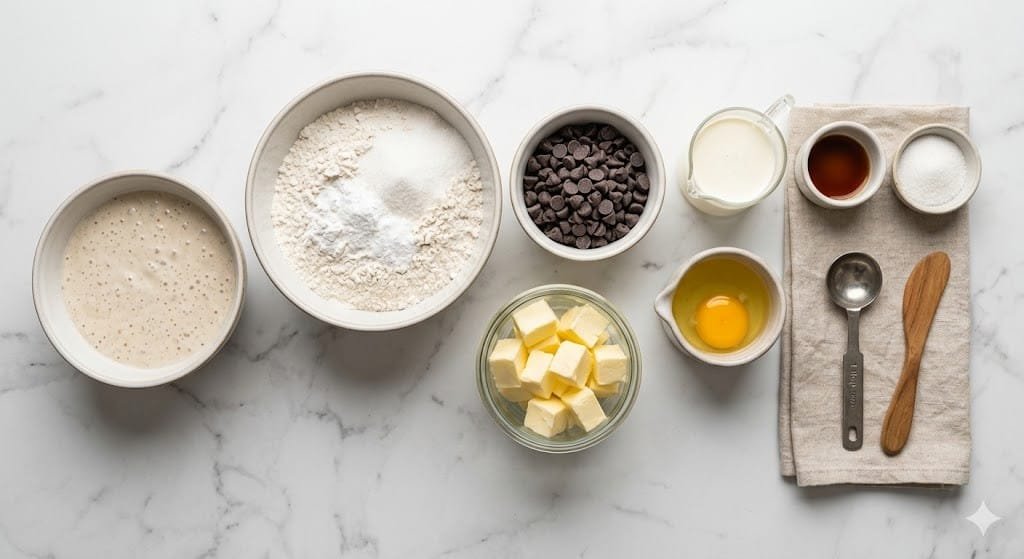
- 2 cups (250g) all-purpose flour (Grandma swears by King Arthur, but any works!)
- 1/4 cup (50g) granulated sugar — or coconut sugar when I’m feeling fancy
- 2 tsp baking powder
- 1/2 tsp baking soda (I once forgot this; scones still edible, but not as fluffy)
- 1/2 tsp salt
- 6 tbsp (85g) cold unsalted butter, cut in cubes (sometimes I just grate it straight form the fridge, which is less messy—sort of)
- 1 cup (240g) sourdough discard (mine’s about 100% hydration, but eh, close enough)
- 1 large egg (room temp if you think of it)
- 1 tsp vanilla extract
- 3/4 cup (130g) chocolate chips (I go heavy on these; you do you, honestly)
- Optional: coarse sugar for sprinkling on top
Scone-Making Directions (Chill Out, It’s Easy)
- Preheat your oven to 400°F (205°C). Line a baking sheet with parchment, or just grease it if you’re out. Don’t sweat this part.
- In a big bowl, whisk together your flour, sugar, baking powder, baking soda, and salt. This is the boring bit, so sometimes I let the kids “help.”
- Work in the cold butter with your fingertips (my preferred method) or use a pastry cutter. You want pea-sized bits—you’ll know when it looks sort of like crumbly sand and your hands are freezing.
- In a small jug, whisk together the sourdough discard, egg, and vanilla. If your discard is stubborn, don’t worry, just bash it about till smooth.
- Pour the wet mix into the dry stuff. Add your chocolate chips. Stir gently until dough is *just* coming together. (This is where I usually sneak a chip, full honesty.) It should look a bit raggy here—that’s fine!
- Turn your dough onto a lightly floured counter and pat/press into a rough 1-inch-thick circle. Don’t fuss too much. My circles are more like wonky ovals.
- Cut into 8 wedges (like pizza). Transfer to your prepared sheet, giving them a little breathing space. If you’re feeling extra: sprinkle coarse sugar on top.
- Bake 18-22 minutes, until puffed and golden at the edges. The middles might look just a touch soft. Let them cool a bit before eating (I barely have this kind of patience, but hot scone burns hurt).
Stuff I Learned (the Hard Way)
- If your butter’s too warm, scones go flat. I once nuked mine to soften and ruined a batch—don’t repeat my mistakes.
- Actually, I find it works better if you squish the dough together gently, not knead it; otherwise, they’re hockey pucks.
- If you forget the sugar on top, nobody will notice, but the little crunch is pretty satisfying.
If You’re Feeling Experimental (With Mixed Results)
- Sometimes I swap chocolate chips for dried cherries or chopped nuts. Dried apricots once, too, but honestly that one was a bit too chewy for my taste.
- Brown butter: okay, this is amazing, but the dough’s trickier to work with. Use when feeling ambitious.
- Tried a cinnamon swirl—looked messy, tasted fab.

The Gear (and Creative Fixes)
You don’t need much: a large bowl, a whisk, pastry cutter (but forks or hands totally work), baking sheet, and parchment. No pastry cutter? I’ve just used cold fingers and a bit of swearing. Still eats the same.
How To Store These Beauts
Let them cool, then pop in an airtight tin for 2 days, or freeze for a month. (Though honestly, in my house, they’re lucky to last for a single dawn.)
Best Way to Eat Scones? I’ve Got Opinions
I love these just barely warm, with salted butter melting in, or—don’t judge me—a good swipe of peanut butter. My sister dunks hers in coffee, which, okay, is also excellent.
Wish I Knew This Before (Pro Tips)
- I once tried to bake these at a lower temp to multi-task with some other dish. Regretted it. Higher heat makes fluffier scones—no shortcuts.
- Don’t overmix the dough. Looks crumbly when it shouldn’t, but trust me. Overmix and you’ve got chewy rocks, not soft scones.
Questions People Actually Ask Me
- Can I make these without eggs? Probably! I’ve swapped in a splash of extra discard with a spoon of yogurt once when I was short. Texture’s a little denser, though.
- What if my discard is super sour? That’s fine! Gives a little tang. If you’re not into that, cut back a smidge and add a splash of milk.
- Do I have to chill the dough? Nah. But if your kitchen’s hot, bung the tray in the freezer for 10 minutes before baking—helps the scones keep their shape.
- Can I double this recipe? You bet. I’d bake in two batches, though, unless your oven is TARDIS-sized.
Bit of a left turn, but did you know scones actually originated in Scotland? Or maybe Ireland, depending on who you ask at my family table—my uncle will argue this after two cups of tea, but either way, they always bring a little fun (and flour) into the kitchen. Hope you enjoy these scones as much as we do!
Ingredients
- 2 cups (250g) all-purpose flour (Grandma swears by King Arthur, but any works!)
- 1/4 cup (50g) granulated sugar — or coconut sugar when I’m feeling fancy
- 2 tsp baking powder
- 1/2 tsp baking soda (I once forgot this; scones still edible, but not as fluffy)
- 1/2 tsp salt
- 6 tbsp (85g) cold unsalted butter, cut in cubes (sometimes I just grate it straight form the fridge, which is less messy—sort of)
- 1 cup (240g) sourdough discard (mine’s about 100% hydration, but eh, close enough)
- 1 large egg (room temp if you think of it)
- 1 tsp vanilla extract
- 3/4 cup (130g) chocolate chips (I go heavy on these; you do you, honestly)
- Optional: coarse sugar for sprinkling on top
Instructions
-
1Preheat your oven to 400°F (205°C). Line a baking sheet with parchment, or just grease it if you’re out. Don’t sweat this part.
-
2In a big bowl, whisk together your flour, sugar, baking powder, baking soda, and salt. This is the boring bit, so sometimes I let the kids “help.”
-
3Work in the cold butter with your fingertips (my preferred method) or use a pastry cutter. You want pea-sized bits—you’ll know when it looks sort of like crumbly sand and your hands are freezing.
-
4In a small jug, whisk together the sourdough discard, egg, and vanilla. If your discard is stubborn, don’t worry, just bash it about till smooth.
-
5Pour the wet mix into the dry stuff. Add your chocolate chips. Stir gently until dough is *just* coming together. (This is where I usually sneak a chip, full honesty.) It should look a bit raggy here—that’s fine!
-
6Turn your dough onto a lightly floured counter and pat/press into a rough 1-inch-thick circle. Don’t fuss too much. My circles are more like wonky ovals.
-
7Cut into 8 wedges (like pizza). Transfer to your prepared sheet, giving them a little breathing space. If you’re feeling extra: sprinkle coarse sugar on top.
-
8Bake 18-22 minutes, until puffed and golden at the edges. The middles might look just a touch soft. Let them cool a bit before eating (I barely have this kind of patience, but hot scone burns hurt).
Approximate Information for One Serving
Nutrition Disclaimers
Number of total servings shown is approximate. Actual number of servings will depend on your preferred portion sizes.
Nutritional values shown are general guidelines and reflect information for 1 serving using the ingredients listed, not including any optional ingredients. Actual macros may vary slightly depending on specific brands and types of ingredients used.
To determine the weight of one serving, prepare the recipe as instructed. Weigh the finished recipe, then divide the weight of the finished recipe (not including the weight of the container the food is in) by the desired number of servings. Result will be the weight of one serving.
Did you make this recipe?
Please consider Pinning it!