Let Me Tell You About This Sourdough Pie Crust…
Okay, friend, you know when you stumble onto something in the kitchen that just feels right? This pie crust is it. One wild Tuesday, with half a jar of leftover sourdough starter eyeballing me from the fridge, and not much else to do besides avoidance laundry (don’t judge me), I tried swirling it into my usual pie dough. Dang, was I surprised. And a little proud, honestly—my kids called it “that tangy pie base thing,” and every crumb disappeared in about an hour. To this day, I can’t make a batch that lasts ‘til the next morning. Oh, there was that one time a dog-polished the last half. We don’t bring up that incident at the dinner table anymore.
Why You’ll Love This (Besides, Well, It Just Tastes Amazing)
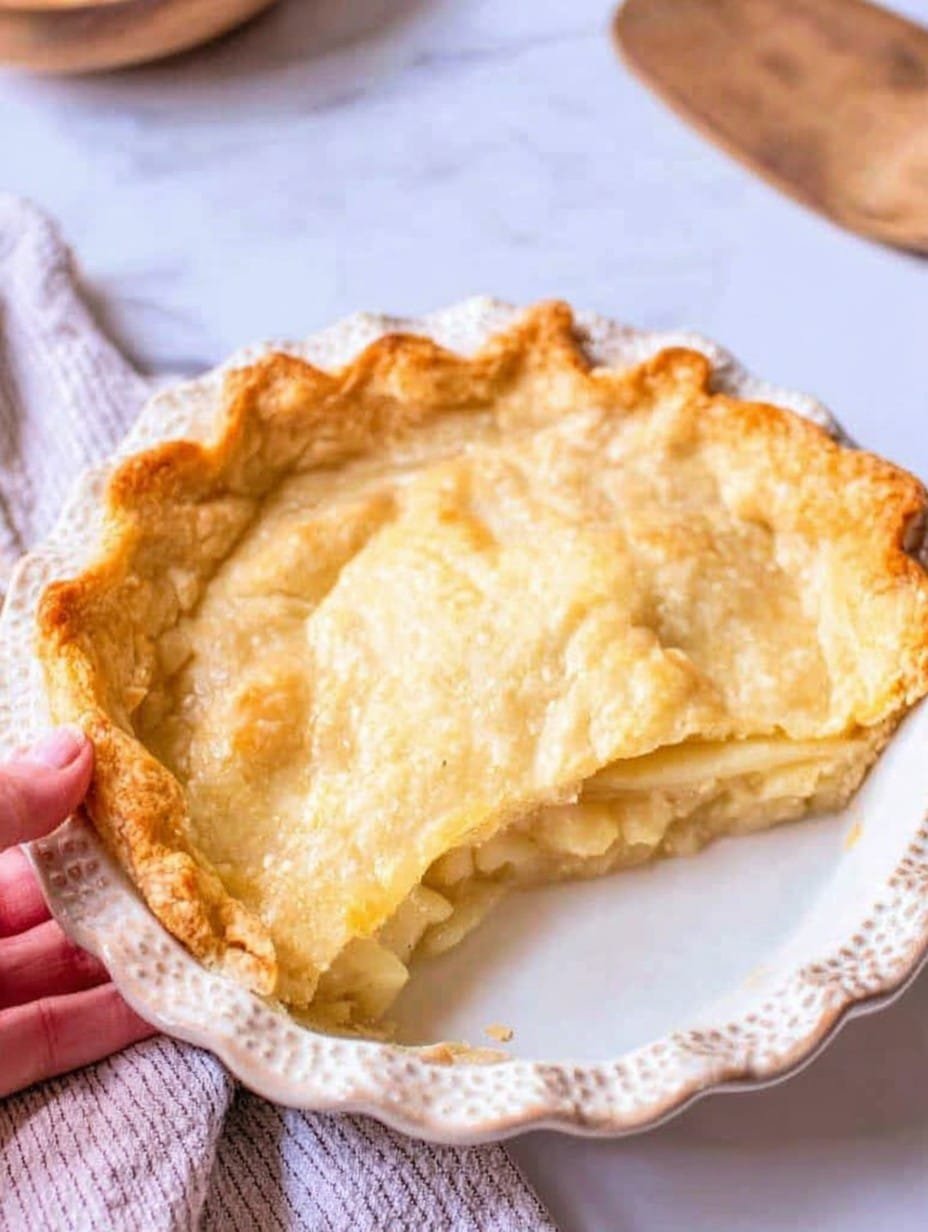
I swing for this recipe whenever my sourdough starter is lurking and making me feel guilty. There’s something about that faint, tangy bite (almost like the pie’s giving you a little wink) that makes even a simple apple filling extra special. Honestly, my family goes nuts for this crust at Thanksgiving, to the point where they’ll scoop the bottom off their plates when no one’s watching (I may have done this with pumpkin pie, shhh). And if you’ve ever felt personally victimized by tough pie dough, this one’s a bit more forgiving than some. I mean, it’s still pie dough, so yeah, it can be a little persnickety, but the starter makes it so much easier to handle. If nothing else, it just feels good to use up the discard.
The Stuff You’ll Need (And a Few Swaps That Actually Work)
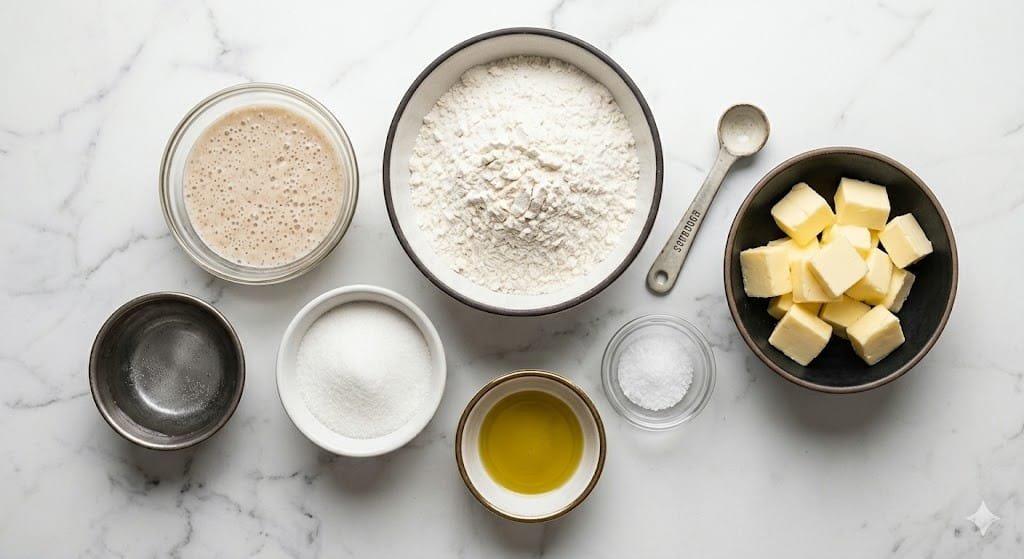
- 1 1/4 cups (150g) all-purpose flour (sometimes I’ll sneak in a handful of whole wheat—doesn’t always make it better, but hey, it’s fiber)
- 1/2 teaspoon sea salt—table salt will work fine if that’s all you have; no stress
- 1 tablespoon sugar (I love a hint of sweetness, but you can leave this out for savory pies)
- 1/2 cup (115g) cold unsalted butter, cut into cubes (my grandmother swore by salted, but honestly, you do you)
- 1/2 cup (120g) sourdough starter discard, cold (I’ve used bubbly active starter in a pinch and it still turned out…maybe a bit puffier)
- 2-3 tablespoons ice water (I’ve totally grabbed it straight form the tap before; sometimes I regret it, but the pie never complains…)
How To Actually Pull This Sourdough Pie Crust Together
- Chuck your flour, salt, and sugar into a big mixing bowl. Give ‘em a good stir. (I tend to do this one-handed while rescuing someone else’s toast.)
- Toss in those lovely cold butter cubes. Now, you can use a pastry cutter here—which, yeah, sometimes I do—but a couple of knives or just your fingertips work fine. Rub and cut until it looks like crumbly bits or, as my aunt says, “coarse meal with some pea-sized chunks.” Oddly specific, but she’s not wrong.
- Spoon in the sourdough starter. Mix it up with a fork (or your hands, but fair warning, it’ll get sticky). At this point, if you’re panicking because it seems dry, add the ice water one tablespoon at a time, just until the dough starts coming together. Don’t overdo it; you want shaggy, not soupy.
- Gather the dough—don’t knead!—into a ball. Flatten it slightly into a disk, wrap it in cling film (plastic wrap, saran wrap, whatever), and toss it in the fridge for about an hour (sometimes I’ve only managed 30 minutes, life happens, and it’s usually fine).
- Time to roll! Lightly flour your counter, grab your rolling pin, and roll out the dough to fit your pie plate. If it cracks, just patch it up; nobody’s grading you. Carefully drape it in your pie plate and trim the edges. (This is where I usually sneak a taste of raw dough. Old habits die hard.)
- Chill your lined pie plate while you make your filling, or, if you’re doing a blind bake, prick it with a fork a bunch of times (very therapeutic, seriously), and bake at 400°F (205°C) for about 15 minutes with weights, then 5-7 minutes without. Or just bake it filled, following your pie recipe’s directions.
Wait, What Else Do I Need?
- Big mixing bowl (a salad bowl in a pinch, I’ve done it)
- Pastry cutter or honestly just your hands
- Rolling pin (wine bottles: a somewhat chaotic option, but I’ve gone there)
- Plastic wrap for that fridge rest
- Pie plate (ceramic, glass, metal—never tried foil, but never say never)
- Fork for docking or taste-testing
Notes Nobody Told Me (Learned the Hard Way)
- Don’t sweat the cracks—just smush them together again. The pie doesn’t mind.
- If you forget the sugar and your pie’s savory, that’s actually fine. But if making dessert, well, don’t skip it unless you want to pretend it’s rustic.
- This dough does better with a slightly longer fridge rest; I once rushed it and the butter melted everywhere. Yikes.
- Actually, I find it works better if you make the dough before dinner, then roll it out after you clean up, just saying.
Things I’ve Tried (Spoiler: Not Everything Works, Ha!)
- Swapping in 100% whole wheat flour—came out rather dense, not a hit with the fam
- Adding a teaspoon of dried herbs for a quiche crust—tasty, though the kids accused me of putting “leaves” in their pie
- Rolled it crazy thin once. Cracked like desert mud. Try to keep a bit of thickness for flake—learn form my mistake!
How Should I Store This?
Wrap any leftover dough in plastic and keep it in the fridge for 2-3 days, or freeze it for, I don’t know, a month or two? I’ve never had it actually hang around that long—in my house, pie goes fast (sometimes suspiciously fast, but that’s another story).
How To Serve (And, Do You Really Need an Excuse?)
In our house, warm apple or berry pie with a scoop of vanilla ice cream is the classic—though to be totally honest, I think this sourdough crust tastes even better on day two. Try it cold for breakfast if you dare; I won’t judge. Oh, and my uncle once dunked his slice in coffee? Can’t say I recommend it, but hey, new ideas!
Pro Tips (By Which I Mean Epic Fails Turned Lessons)
- Don’t skip the fridge rest—one time I tried rolling it right away and it just stuck everywhere, like doughy wallpaper paste. Lesson learned.
- Use really cold butter and starter; things get melty otherwise, and you lose all that beautiful flake. Not worth it.
- Drape it gently, don’t stretch it to fit the pan or you’ll get shrinkage (pie crust, not laundry disasters, promise)
Your Actual Burning Questions, Answered
- Can I make this with active starter? Sure thing! It gives you a bit more lift—almost buttery puffiness. But discard is honestly my usual.
- Do I have to chill the dough? Technically you could skip it, but honestly, I wouldn’t. You want that flaky-ness, right?
- Can I make this vegan? Haven’t nailed the perfect result, but I did try plant-based butter once. It was okay, kinda soft. Give it a shot, let me know if you crack the code!
- Why does my dough look lumpy? Don’t fret. Little butter bits = flake later. If it’s super dry, you maybe need a splash more water.
- Wait, can I make mini pies with this? Absolutely! They might bake a bit faster. Watch ‘em like a hawk—they go from golden to, um, “extra toasty” quick!
And hey—if you spill a little flour, consider it good luck. Or at least your kitchen’s initiation into the Sourdough Pie Crust Club.
Ingredients
- 1 1/4 cups (150g) all-purpose flour (sometimes I’ll sneak in a handful of whole wheat—doesn’t always make it better, but hey, it’s fiber)
- 1/2 teaspoon sea salt—table salt will work fine if that’s all you have; no stress
- 1 tablespoon sugar (I love a hint of sweetness, but you can leave this out for savory pies)
- 1/2 cup (115g) cold unsalted butter, cut into cubes (my grandmother swore by salted, but honestly, you do you)
- 1/2 cup (120g) sourdough starter discard, cold (I’ve used bubbly active starter in a pinch and it still turned out…maybe a bit puffier)
- 2-3 tablespoons ice water (I’ve totally grabbed it straight form the tap before; sometimes I regret it, but the pie never complains…)
Instructions
-
1Chuck your flour, salt, and sugar into a big mixing bowl. Give ‘em a good stir. (I tend to do this one-handed while rescuing someone else’s toast.)
-
2Toss in those lovely cold butter cubes. Now, you can use a pastry cutter here—which, yeah, sometimes I do—but a couple of knives or just your fingertips work fine. Rub and cut until it looks like crumbly bits or, as my aunt says, “coarse meal with some pea-sized chunks.” Oddly specific, but she’s not wrong.
-
3Spoon in the sourdough starter. Mix it up with a fork (or your hands, but fair warning, it’ll get sticky). At this point, if you’re panicking because it seems dry, add the ice water one tablespoon at a time, just until the dough starts coming together. Don’t overdo it; you want shaggy, not soupy.
-
4Gather the dough—don’t knead!—into a ball. Flatten it slightly into a disk, wrap it in cling film (plastic wrap, saran wrap, whatever), and toss it in the fridge for about an hour (sometimes I’ve only managed 30 minutes, life happens, and it’s usually fine).
-
5Time to roll! Lightly flour your counter, grab your rolling pin, and roll out the dough to fit your pie plate. If it cracks, just patch it up; nobody’s grading you. Carefully drape it in your pie plate and trim the edges. (This is where I usually sneak a taste of raw dough. Old habits die hard.)
-
6Chill your lined pie plate while you make your filling, or, if you’re doing a blind bake, prick it with a fork a bunch of times (very therapeutic, seriously), and bake at 400°F (205°C) for about 15 minutes with weights, then 5-7 minutes without. Or just bake it filled, following your pie recipe’s directions.
Approximate Information for One Serving
Nutrition Disclaimers
Number of total servings shown is approximate. Actual number of servings will depend on your preferred portion sizes.
Nutritional values shown are general guidelines and reflect information for 1 serving using the ingredients listed, not including any optional ingredients. Actual macros may vary slightly depending on specific brands and types of ingredients used.
To determine the weight of one serving, prepare the recipe as instructed. Weigh the finished recipe, then divide the weight of the finished recipe (not including the weight of the container the food is in) by the desired number of servings. Result will be the weight of one serving.
Did you make this recipe?
Please consider Pinning it!