You Know That Wobbly Japanese Purin? Let’s Make It Together
Alright, so Japanese Purin. Every time I make this smooth-as-silk custard, it takes me straight back to my first Tokyo trip—awkward jet lag, lost in Shibuya, but that vending machine Purin? Life-changing. It’s that kind of simple, happy dessert I turn to whenever life feels a bit like a jumble sale. And honestly, when my niece visits, she devours it before it’s even cooled properly (don’t tell her mum it’s all eggs and milk, though she’d probably guess from the yellow mustache afterward).
Why You’ll Love This Little Pudding
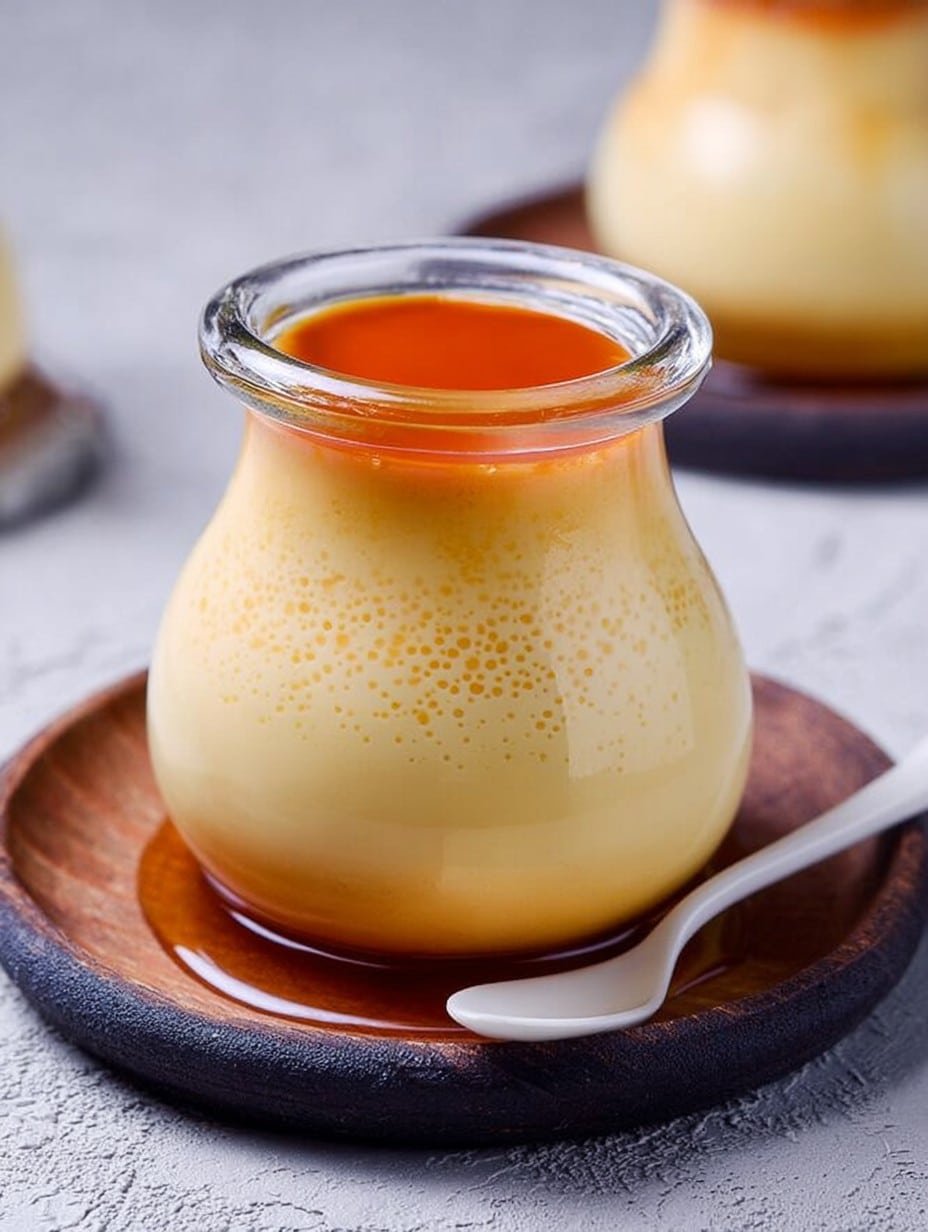
I make this when I want dessert that feels a bit fancy, but I’m still in my pajamas. Purin looks impressive; secretly it’s easier than pie (I mean, literally easier—pies are hard and this is mostly stirring). My family goes crazy for it because of that luscious, hidden caramel layer at the bottom. Oh, and because you can flick it out of the ramekin like some sort of dessert magician. Sometimes, okay, the caramel sets too hard, but that’s never stopped a good dessert night around here.
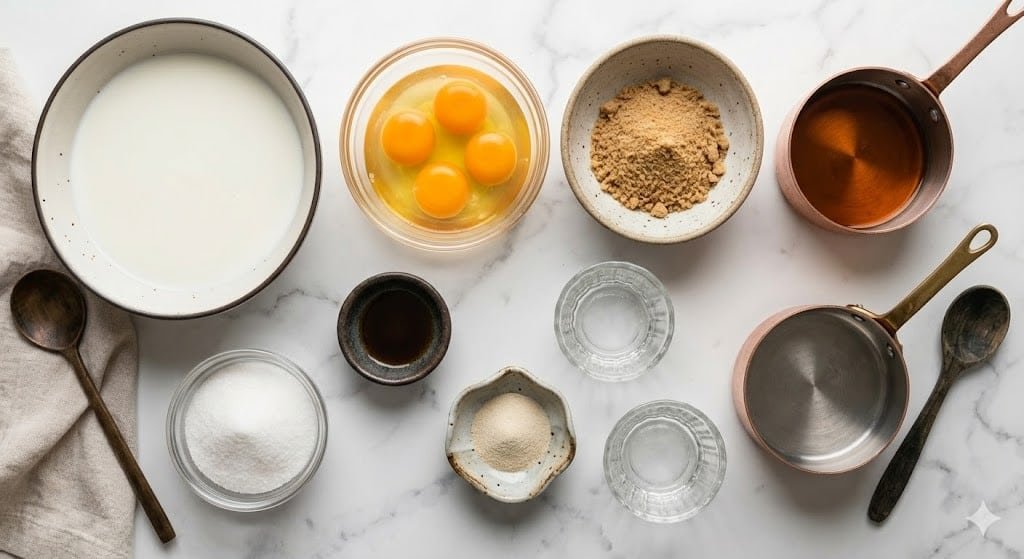
Gather These Ingredients (Flexible Where It Counts)
- 60g (about 1/3 cup) granulated sugar (for caramel – but I’ve been known to use brown sugar when it’s all I’ve got, don’t judge me)
- 1 tablespoon water (plus another splash for good measure)
- 2 large eggs (my grandmother always said free-range gives the best flavor, but honestly? Any eggs you’ve got are fine)
- 250ml (just over 1 cup) whole milk (sometimes I use oat milk if that’s what’s in the fridge, but it’s a bit less creamy)
- 40g (about 3 tablespoons) sugar (for pudding base; have accidentally used caster sugar and it worked out)
- 1 teaspoon vanilla extract or vanilla bean paste (bean paste is fancy, but extract is perfectly good)
How to Make Japanese Purin (Don’t Sweat the Small Stuff)
- First, the caramel: Dump your 60g sugar and 1 tablespoon water in a small pan. Don’t walk away! Let it simmer on medium, swirling (not stirring—unless you love sticky spoons) until it turns a deep amber. If you see crystals, just add a tiny splosh more water and stir gently—don’t panic!
- Pour the caramel (while it’s still lava-hot) into 2-4 ramekins. This is the one part I recommend acting fast, or the caramel becomes, um, art. Top each with a teaspoon or so of hot water if you like a slightly softer bottom—which I do.
- Before you get distracted by texts, preheat your oven to 150°C (302°F). Or, if your oven’s stubborn like mine, 160°C is still okay (just keep an eye out).
- Whisk eggs in a medium bowl (not too bubbly, just smooth enough). Some folks strain the eggs, but I usually can’t be bothered—texture’s still lovely.
- Heat milk and 40g sugar in a saucepan over low, swirl now and then. Don’t let it boil! Just get it steamy-warm so the sugar dissolves.
- Pour the milk gently into the eggs while whisking. I do this in thirds so nothing curdles. Then add the vanilla. If you’re worried about lumps, pour the whole lot through a strainer—my cousin swears by it, but I usually skip unless I’m feeling posh.
- Divide the custard into the ramekins (over the caramel). Skim off foam for extra-smooth results, or honestly, leave it—the texture is kind of fun.
- Set ramekins in a deep baking dish, fill dish halfway with hot water (hello, DIY bain-marie!). Or, if you’re out of big pans, a deep roasting tin works fine—I once stacked the ramekins precariously but wouldn’t recommend that unless you’re feeling lucky.
- Bake for 30–40 minutes, or until the Purin jiggles like a sleepy cat belly when you nudge the dish. Sometimes it takes 45 minutes if your oven is grumpy.
- Cool to room temp, then chill in the fridge at least 2 hours. Or overnight for a nostalgic, old-school firmness (honestly, I think this tastes even better the next day, but that’s just me).
- To serve: Run a knife round the edge, say a little prayer, and flip onto a plate. Admire your work. Eat immediately (not required, but recommended).
Notes From the Messy Side of My Kitchen
- If the caramel sets hard as glass, just whack the ramekin with the back of a spoon to break it up, or let it sit out for a few minutes before flipping.
- One time I boiled the milk—definitely made scrambled egg purin. Don’t be like me.
- Pudding’s still good even if a bit wobbly in the middle; it’ll firm up in the fridge, promise.
Variations I’ve (Mostly) Survived
- Matcha Purin: Whisk 1 tsp matcha into the eggs. Gave me a beautiful green color and a nice earthy spin.
- Coffee Purin: Steep 1 tbsp instant coffee in the hot milk. Kinda morning-meets-dessert.
- Once tried coconut milk instead of whole milk—tasted okay, but kinda overpowered the caramel (might work with less caramel… or not at all, haha).
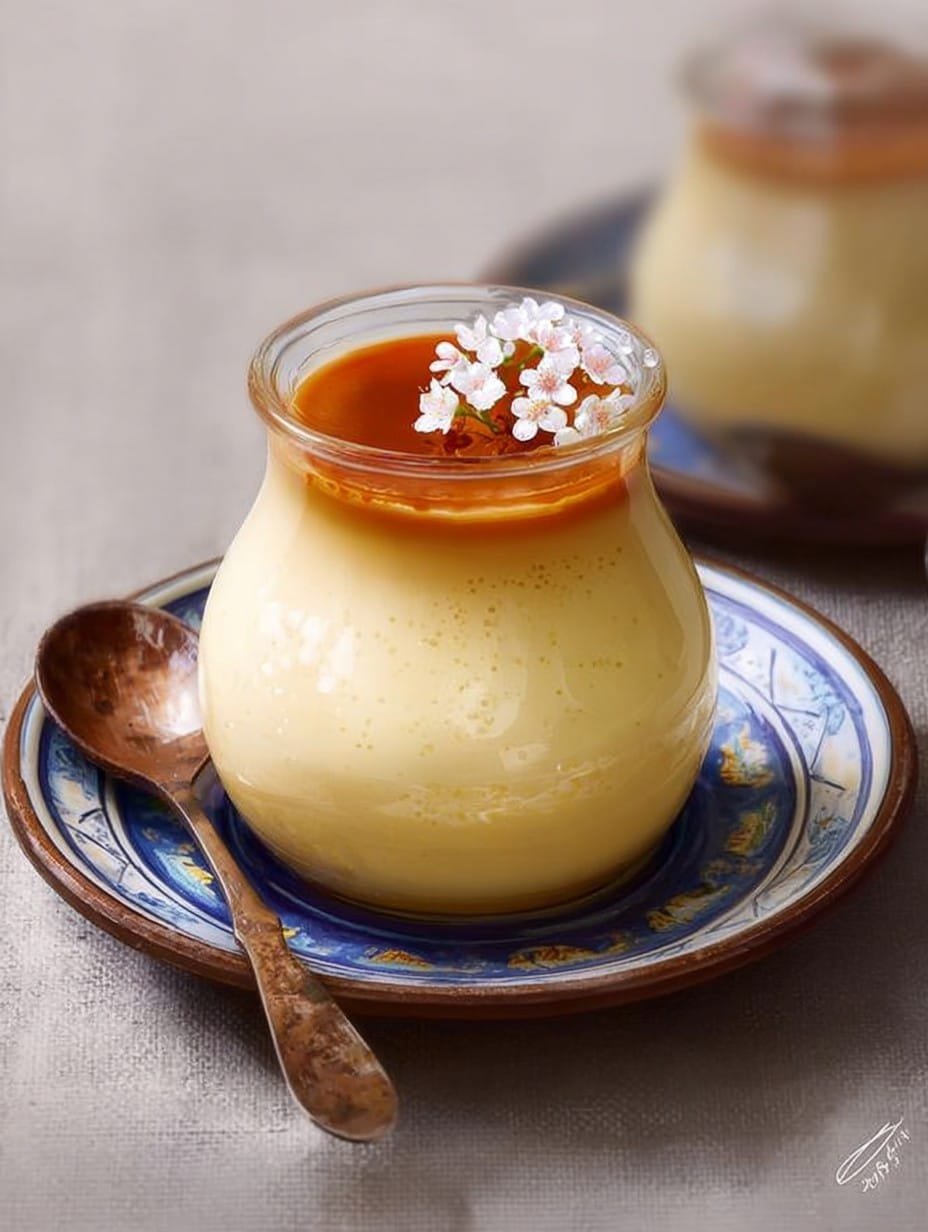
Equipment: Use What You’ve Got
- 2-4 small ramekins or heatproof cups (I’ve even used thick glass teacups in a pinch)
- Small saucepan
- Whisk or fork (either works, really)
- Sieve (for extra smoothness, but not mandatory—sometimes I skip it and nobody complains)
- Deep baking dish or roasting tray for the water bath (Don’t own one? Foil-lined frying pan in the oven can work, just test for leaks!)
So, How Do I Store These?
Just cover the ramekins with plastic wrap and keep in the fridge, where they’ll last up to 3 days—though honestly, in my house it never lasts more than a day! If you’re making a batch for a party, you can make them the night before, just don’t flip until serving or the caramel might wander.
Serving: Make It Your Own
We’ll usually just dump them out onto saucers and dig in, but once I added a scoop of black sesame ice cream—way nicer than I expected. Sometimes, my partner drizzles a bit of extra caramel when nobody’s watching. Not really traditional, but hey, rules are meant for bending.
Pro Tips (Or, Lessons From My “Oops” Moments)
- I once tried to speed up the cooling in the freezer—ended up with icy bits. Not recommended.
- Leaving the caramel for “just one more minute” usually makes it go from amber perfection to burnt disaster. When it looks about right, just go for it.
- Baking too long = weird rubbery edges. Less is more here.
FAQ (Because Somebody’s Bound to Ask)
- Can I make Japanese Purin without an oven? Yep! Try steaming them for about 15-20 minutes on a low simmer. I did this once when my oven caught fire (long story).
- Is it supposed to taste like flan? Sorta, but purin is silkier and less rich, at least to my tongue.
- Can I double this recipe? Sure thing; just use as many ramekins as you’ve got—although, fair warning, the baking time creeps up a bit. Check the jiggle.
- Mine came out bubbly on top. Did I mess up? Not really! Sometimes if you whisk a bit too enthusiastically you get air bubbles. Honestly, it eats the same.
- Why my caramel stuck to the ramekin? It happens. Run the bottom under warm water for a few secs or just accept some stubborn bits—it’s home cooking, not a TV show.
Anyway, let me know if you try it (or if you invent a better shortcut than me). Cooking’s a wild adventure, isn’t it?
Ingredients
- 60g (about 1/3 cup) granulated sugar (for caramel – but I’ve been known to use brown sugar when it’s all I’ve got, don’t judge me)
- 1 tablespoon water (plus another splash for good measure)
- 2 large eggs (my grandmother always said free-range gives the best flavor, but honestly? Any eggs you’ve got are fine)
- 250ml (just over 1 cup) whole milk (sometimes I use oat milk if that’s what’s in the fridge, but it’s a bit less creamy)
- 40g (about 3 tablespoons) sugar (for pudding base; have accidentally used caster sugar and it worked out)
- 1 teaspoon vanilla extract or vanilla bean paste (bean paste is fancy, but extract is perfectly good)
Instructions
-
1First, the caramel: Dump your 60g sugar and 1 tablespoon water in a small pan. Don’t walk away! Let it simmer on medium, swirling (not stirring—unless you love sticky spoons) until it turns a deep amber. If you see crystals, just add a tiny splosh more water and stir gently—don’t panic!
-
2Pour the caramel (while it’s still lava-hot) into 2-4 ramekins. This is the one part I recommend acting fast, or the caramel becomes, um, art. Top each with a teaspoon or so of hot water if you like a slightly softer bottom—which I do.
-
3Before you get distracted by texts, preheat your oven to 150°C (302°F). Or, if your oven’s stubborn like mine, 160°C is still okay (just keep an eye out).
-
4Whisk eggs in a medium bowl (not too bubbly, just smooth enough). Some folks strain the eggs, but I usually can’t be bothered—texture’s still lovely.
-
5Heat milk and 40g sugar in a saucepan over low, swirl now and then. Don’t let it boil! Just get it steamy-warm so the sugar dissolves.
-
6Pour the milk gently into the eggs while whisking. I do this in thirds so nothing curdles. Then add the vanilla. If you’re worried about lumps, pour the whole lot through a strainer—my cousin swears by it, but I usually skip unless I’m feeling posh.
-
7Divide the custard into the ramekins (over the caramel). Skim off foam for extra-smooth results, or honestly, leave it—the texture is kind of fun.
-
8Set ramekins in a deep baking dish, fill dish halfway with hot water (hello, DIY bain-marie!). Or, if you’re out of big pans, a deep roasting tin works fine—I once stacked the ramekins precariously but wouldn’t recommend that unless you’re feeling lucky.
-
9Bake for 30–40 minutes, or until the Purin jiggles like a sleepy cat belly when you nudge the dish. Sometimes it takes 45 minutes if your oven is grumpy.
-
10Cool to room temp, then chill in the fridge at least 2 hours. Or overnight for a nostalgic, old-school firmness (honestly, I think this tastes even better the next day, but that’s just me).
-
11To serve: Run a knife round the edge, say a little prayer, and flip onto a plate. Admire your work. Eat immediately (not required, but recommended).
Approximate Information for One Serving
Nutrition Disclaimers
Number of total servings shown is approximate. Actual number of servings will depend on your preferred portion sizes.
Nutritional values shown are general guidelines and reflect information for 1 serving using the ingredients listed, not including any optional ingredients. Actual macros may vary slightly depending on specific brands and types of ingredients used.
To determine the weight of one serving, prepare the recipe as instructed. Weigh the finished recipe, then divide the weight of the finished recipe (not including the weight of the container the food is in) by the desired number of servings. Result will be the weight of one serving.
Did you make this recipe?
Please consider Pinning it!