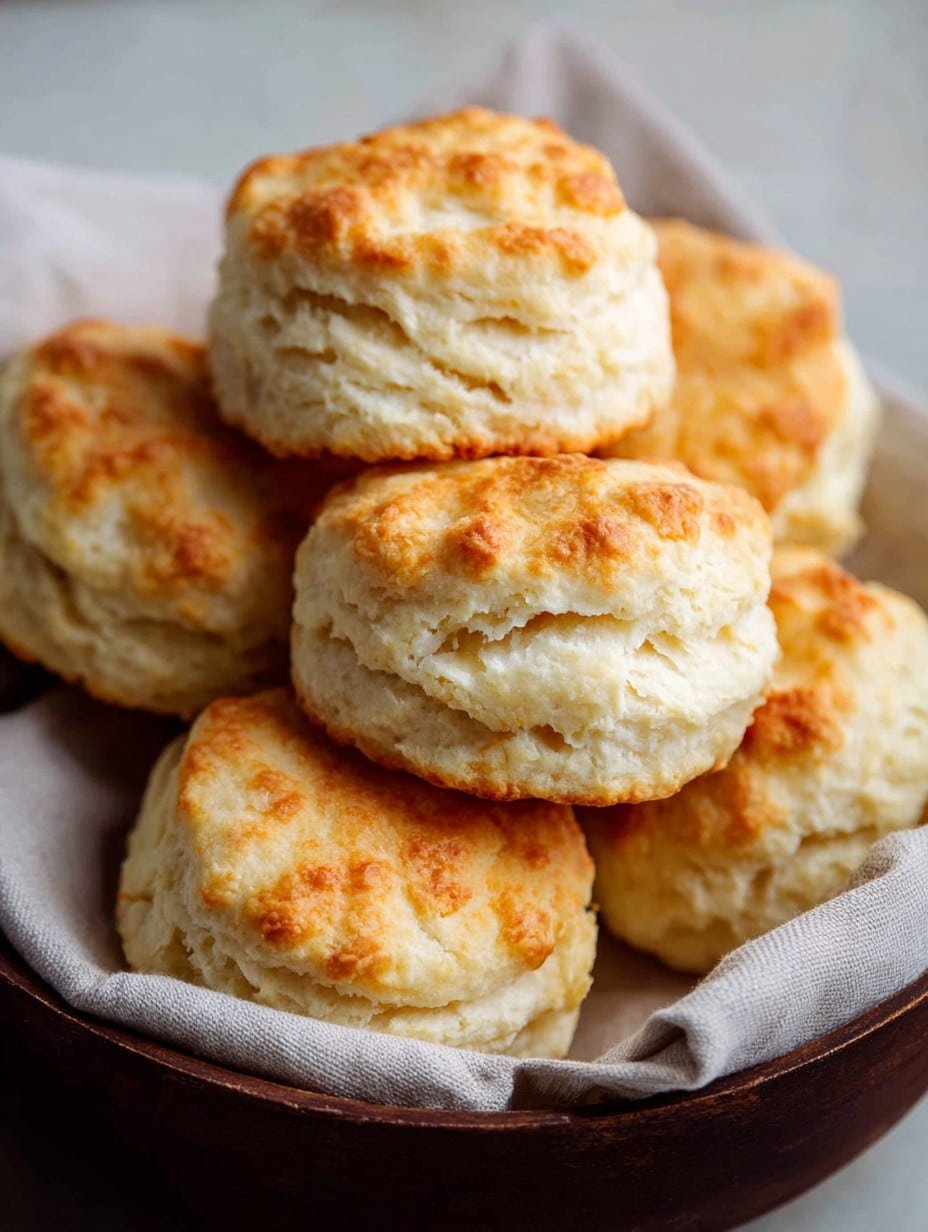
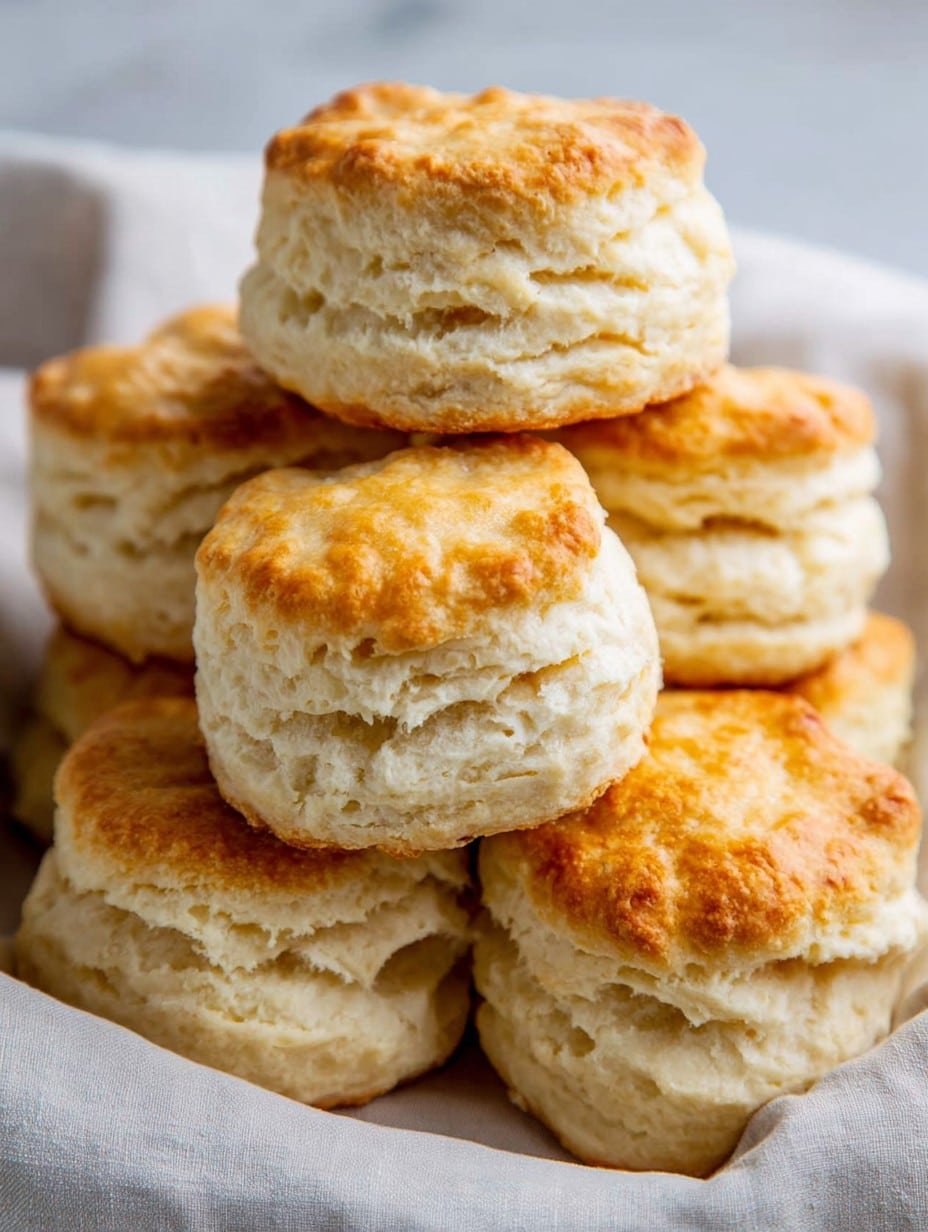
Okay, I have to tell you about the time I made these Easy Homemade Biscuits at 10pm because I had a sudden craving for late-night carbs (don’t judge, we’ve all been there). Anyway, my neighbor popped over because she smelled baking from next door (her exact words: “it smells like a southern bakery in the hall!”) and we both devoured half a pan before they’d even cooled off. Honestly, I grew up on these — my granddad called them “cloud pucks” and he wasn’t wrong; they really are pillowy and soft on the inside, golden and a bit crisp on the bottom. If you haven’t made your own biscuits yet, trust me, it’s way easier than you think. If you have, well, you probably already know the temptation to just eat the raw dough (don’t do it though… or do… I won’t tell.).
Why You’ll Love This (at Least I Do)
I make these biscuits whenever my brain can’t handle more than six ingredients or a million steps. My family goes a little bonkers when the kitchen smells all buttery because, let’s face it, these are perfect with basically anything (except maybe chocolate, but I haven’t tried, so who knows?). If you’re hunting for no-fuss comfort, particularly after a long week, this is it. There was a learning curve—my first batch could have doubled as hockey pucks (oops)—but once I learned not to overmix, it’s been smooth sailing. Oh, and you can have them on the table in about 25 minutes if you don’t get distracted like I do.
My Go-To Ingredients List (with a Few Swaps)
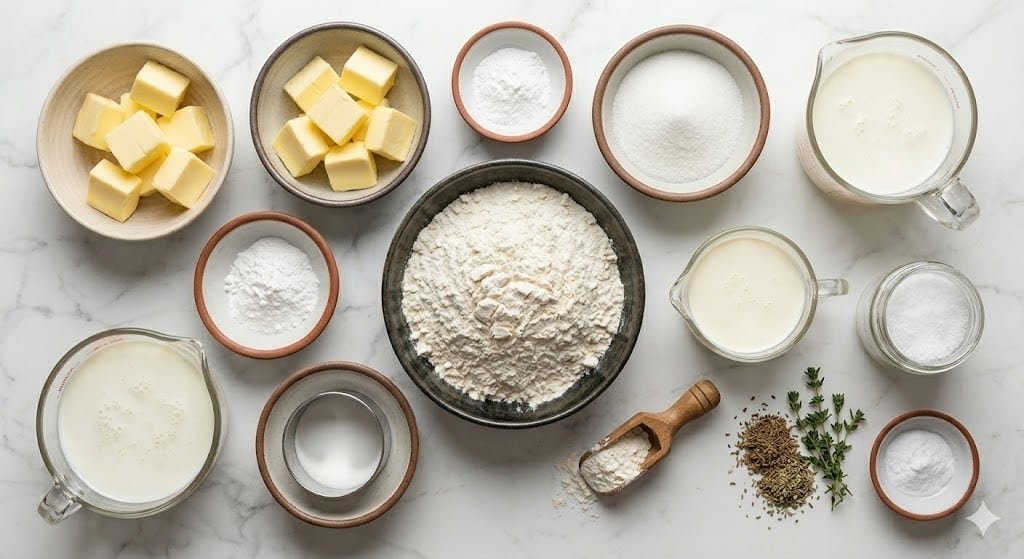
- 2 cups (260g) all-purpose flour (my gran always used White Lily, but I’ll grab whatever’s on sale honestly)
- 1 tablespoon baking powder (sometimes I get lazy and use the self-raising flour; honestly it works, but I like control)
- 1/2 teaspoon baking soda
- 3/4 teaspoon salt (I’ve used flakey sea salt in a pinch; fancy!)
- 1/2 cup (115g) very cold unsalted butter, diced (or grated if I’m feeling patient; salted works in a pinch, just drop the salt a bit)
- 3/4 cup (180ml) cold buttermilk (if I’m out, I’ll sour some regular milk with a squeeze of lemon, call it a day)
- 2 teaspoons honey (optional – my little twist, but not the end of the world if you skip)
Let’s Make These Biscuits
- Preheat your oven to 450°F (230°C). Don’t skip preheating—biscuits hate waiting around and need that instant blast of heat.
- In a large bowl, whisk together the flour, baking powder, baking soda, and salt. I usually get flour everywhere, but that’s part of the charm, right?
- Add in your super-cold butter. Cut it in with a pastry cutter or just squish it between your fingers until you have rough, pea-sized lumps (bonus: cold hands help, not that you needed another reason to run your hands under cold water first).
- Pour in the buttermilk (and honey, if you’re using it). Stir just until it starts to come together; don’t stress about a few dry bits. If it’s a shaggy mess, that’s perfect. Overmix and you’ll have a biscuit that could break a tooth, ask me how I know.
- Tip the dough (I use a rubber spatula if I remember, otherwise just hands) onto a lightly floured surface. Pat it gently into a rough rectangle—no rolling pin needed! Maybe 3/4″ thick is about right, but mine’s never totally even.
- Fold the dough over on itself a couple times; this is my lazy way of getting those layers. Pat it out again, then use a round cutter or an upturned glass to cut out biscuits. Don’t twist the cutter or you’ll squish them! (But if you do, it’s not the end of the world; they still taste good.)
- Arrange biscuits close together on a parchment-lined baking sheet. You want them almost touching—it helps them rise up, not out.
- Bake for 12–15 minutes, until the tops are golden and lovely. Sometimes I get impatient and pull one out early for “testing purposes.” Brush with a bit of melted butter if you’re feeling fancy.
Notes from an Imperfect Biscuit Maker
I once used margarine in a pinch—would not recommend, unless you miss the flavor of sadness. The trickiest bit is honestly not overthinking. If the dough looks a bit scrappy, that’s fine. And if you end up with slightly lopsided biscuits, just face the pretty side up. They’ll get snapped up too fast for anyone to notice.
Times I’ve Gone Rogue—Variations I’ve Tried
- Cheese Biscuits: Add a generous handful (like 3/4 cup) of grated sharp cheddar to the dry mix. Sometimes I throw in chopped chives too.
- Whole Wheat: Swapped in half whole wheat flour once. They were good, if a bit more “hearty.” Not my favorite, though, if I’m honest.
- Sweet Version: Added a splash more honey and a sprinkle of cinnamon. It was, uh, interesting. My husband loved it, but I went back to classic after that experiment.
Do You Really Need Special Equipment?
I’ve got a pastry cutter, but I’ve used two forks (awkward) or even just my hands—works a treat. Don’t have a biscuit cutter? Just grab a drinking glass, dip the rim in flour, and go. If the edges get stuck, wiggle the glass. I sometimes even use an old tin can with the ends cut off—very rustic, very thrifty!
Storing Biscuits (Though Good Luck with That)
Store leftovers in an airtight container at room temp for a day or two. If you pop them in the fridge, they can dry out, but you can zap them in the microwave wrapped in a damp paper towel and they’ll bounce back. They freeze well—for maybe a month. Honestly, in my place they’re gone before breakfast is over, but you might have more self-control than I do.
Serving Suggestions—I Play Favorites
I love these split and slathered with butter and jam. My sister, she piles on sausage gravy (which takes longer to make than the biscuits ever do, go figure). Or, for something a little different, I’ll use them as the base for little mini sandwiches at brunch—folk go wild for it. Tea or hot coffee on the side is, in my book, essential.
Real-Learned Pro Tips (Because Mistakes Happen)
- Keep everything cold—once I let my butter sit too long and got cookies, not biscuits. Not the worst, but not quite right either.
- Don’t twist your cutter; it seals the edge and keeps those biscuits flat. I used to twist. Not anymore; you live, you learn.
- If the dough feels too dry, splash in a bit more buttermilk. Too wet? Just add a scattering of flour.
- I tried skipping the folding step and ended up with hockey pucks again. Worth doing, even if you’re in a rush.
The All-Too-Real Biscuit FAQ
Can I use salted butter?
Yep—you totally can! Just reduce the salt and maybe give it a taste. (Not that I’d admit to eating biscuit dough…again.)
My dough is sticky as all get out—did I mess up?
Nah, it happens if your buttermilk is a bit runnier, or if it’s a humid day. Flour your hands, add a sprinkle, just go with the flow. But don’t keep kneading forever or you’ll end up with tough biscuits.
Why are my biscuits not tall and fluffy?
Could be overmixing, or maybe the oven wasn’t hot enough. Also, if your baking powder’s ancient (like, mystery-can-from-the-back-of-the-cupboard old)—that’ll do it. Fresh is best, but I’ve been guilty of using the old stuff too!
What if I don’t have buttermilk?
I just mix regular milk with a splash of lemon juice or vinegar and wait 5 minutes. Works like magic. Or, honestly, I’ve used plain yogurt thinned with milk in a pinch. Never let a missing ingredient derail biscuit time.
Can I double this recipe?
Absolutely—but use two pans if you want consistent tops, or just be okay with the ones in the middle being extra-close (which honestly is how my mum always served them).
This seems too simple; am I missing something?
Nope. That’s southern biscuits in a nutshell. The hardest part is not eating them all straight out of the oven. Go on, treat yourself.
Ingredients
- 2 cups (260g) all-purpose flour (my gran always used White Lily, but I’ll grab whatever’s on sale honestly)
- 1 tablespoon baking powder (sometimes I get lazy and use the self-raising flour; honestly it works, but I like control)
- 1/2 teaspoon baking soda
- 3/4 teaspoon salt (I’ve used flakey sea salt in a pinch; fancy!)
- 1/2 cup (115g) very cold unsalted butter, diced (or grated if I’m feeling patient; salted works in a pinch, just drop the salt a bit)
- 3/4 cup (180ml) cold buttermilk (if I’m out, I’ll sour some regular milk with a squeeze of lemon, call it a day)
- 2 teaspoons honey (optional – my little twist, but not the end of the world if you skip)
Instructions
-
1Preheat your oven to 450°F (230°C). Don’t skip preheating—biscuits hate waiting around and need that instant blast of heat.
-
2In a large bowl, whisk together the flour, baking powder, baking soda, and salt. I usually get flour everywhere, but that’s part of the charm, right?
-
3Add in your super-cold butter. Cut it in with a pastry cutter or just squish it between your fingers until you have rough, pea-sized lumps (bonus: cold hands help, not that you needed another reason to run your hands under cold water first).
-
4Pour in the buttermilk (and honey, if you’re using it). Stir just until it starts to come together; don’t stress about a few dry bits. If it’s a shaggy mess, that’s perfect. Overmix and you’ll have a biscuit that could break a tooth, ask me how I know.
-
5Tip the dough (I use a rubber spatula if I remember, otherwise just hands) onto a lightly floured surface. Pat it gently into a rough rectangle—no rolling pin needed! Maybe 3/4″ thick is about right, but mine’s never totally even.
-
6Fold the dough over on itself a couple times; this is my lazy way of getting those layers. Pat it out again, then use a round cutter or an upturned glass to cut out biscuits. Don’t twist the cutter or you’ll squish them! (But if you do, it’s not the end of the world; they still taste good.)
-
7Arrange biscuits close together on a parchment-lined baking sheet. You want them almost touching—it helps them rise up, not out.
-
8Bake for 12–15 minutes, until the tops are golden and lovely. Sometimes I get impatient and pull one out early for “testing purposes.” Brush with a bit of melted butter if you’re feeling fancy.
Approximate Information for One Serving
Nutrition Disclaimers
Number of total servings shown is approximate. Actual number of servings will depend on your preferred portion sizes.
Nutritional values shown are general guidelines and reflect information for 1 serving using the ingredients listed, not including any optional ingredients. Actual macros may vary slightly depending on specific brands and types of ingredients used.
To determine the weight of one serving, prepare the recipe as instructed. Weigh the finished recipe, then divide the weight of the finished recipe (not including the weight of the container the food is in) by the desired number of servings. Result will be the weight of one serving.
Did you make this recipe?
Please consider Pinning it!