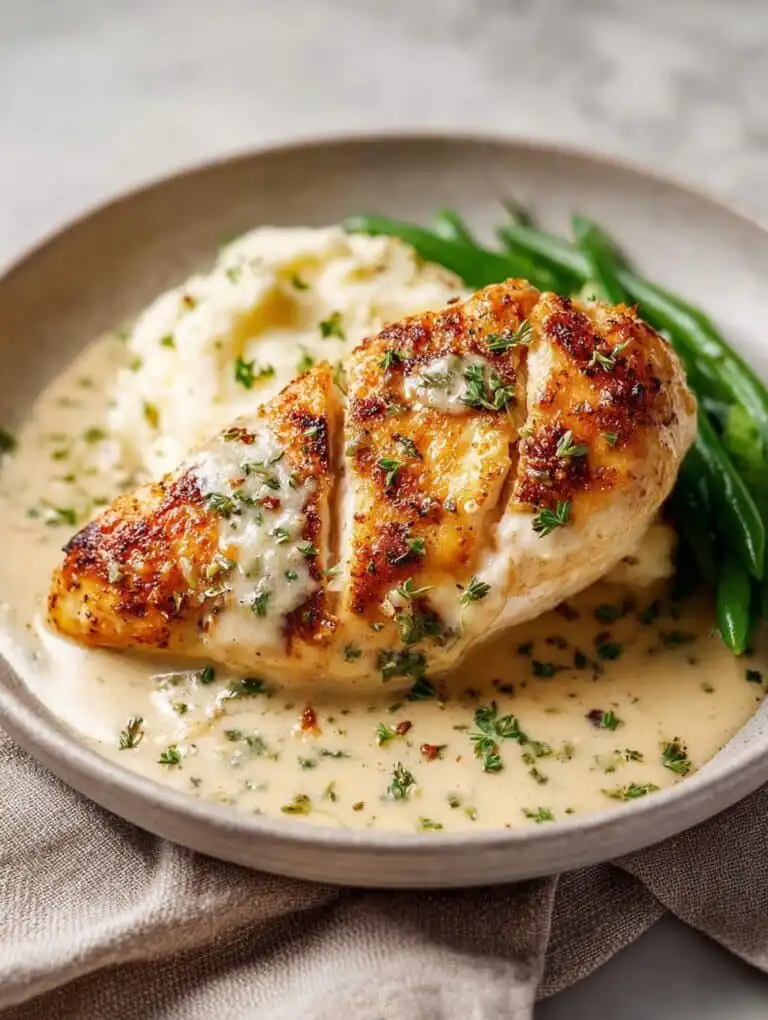
Alright friend, let’s talk about baked chicken breast.
Y’know, there’s something about baked chicken breast—especially when you’re not in the mood for fuss. I started making this back in my uni days (not as glam as it sounds, trust me), because chicken breast is cheap and foolproof. Except, well, it wasn’t at first. Dry, bland, and kinda cardboardy would be an understatement. But after a few minor disasters (oven smoke, anyone?), I’ve landed on a way that results in juicy chicken breast most of the time. Or at least edible, which is half the battle on a Tuesday, right?
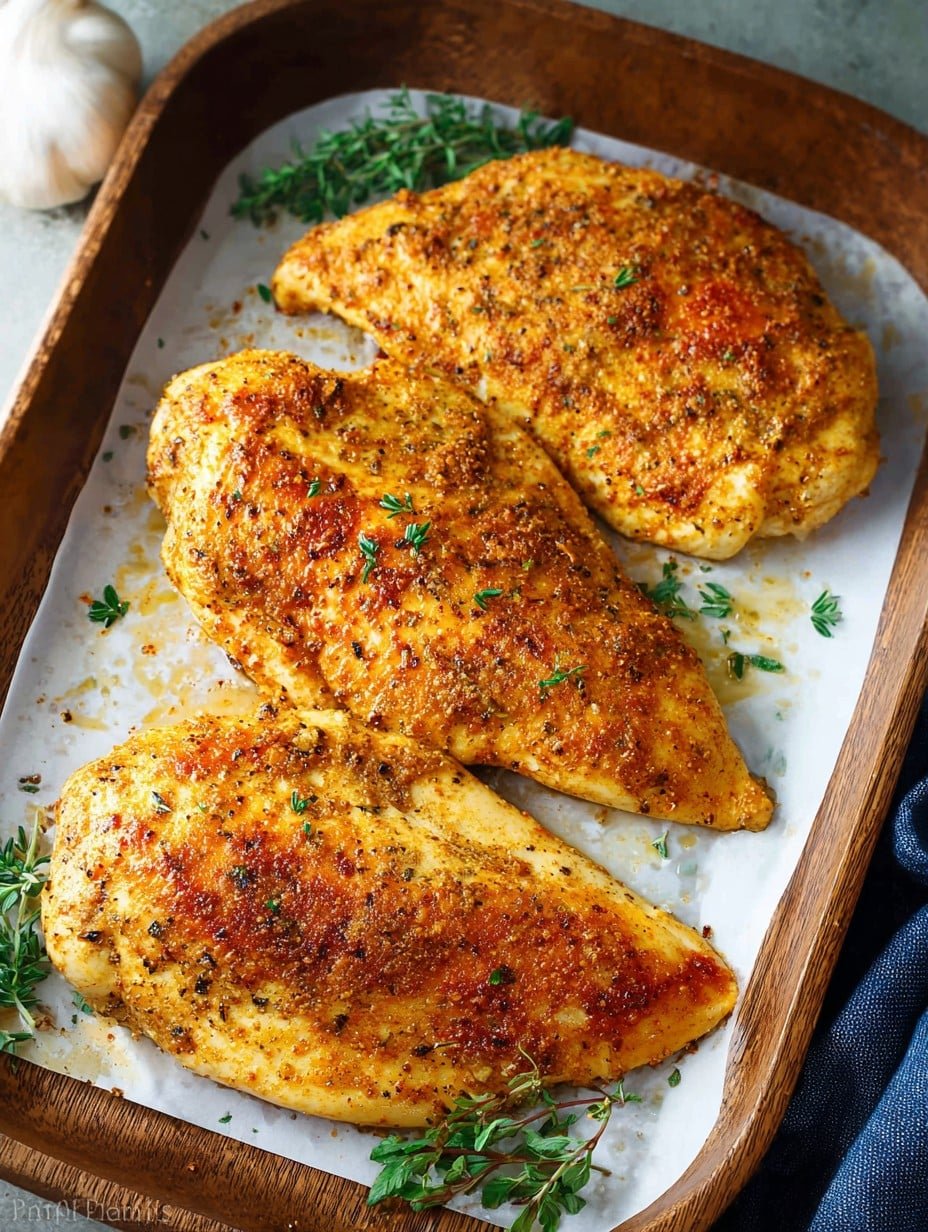
Why you’ll love this (or at least, not hate it)
I make this when I need something easy that won’t have me washing a mountain of dishes (if you’ve ever balanced a full-time job and a couple of unruly pets, you’ll get it). My nephews are weirdly obsessed with this chicken and request it over pizza, which honestly mystifies me. Plus, it’s flexible—sometimes I just wing it with the seasoning depending on what jumble of spice jars fall out of the cupboard. My husband still says the best version is the one with the garlic powder accident—so I run with that. If you’ve struggled with dry, sad chicken breast before, this is for you (been there, bought the t-shirt!).
What you’ll need (and what you can swap if you want)
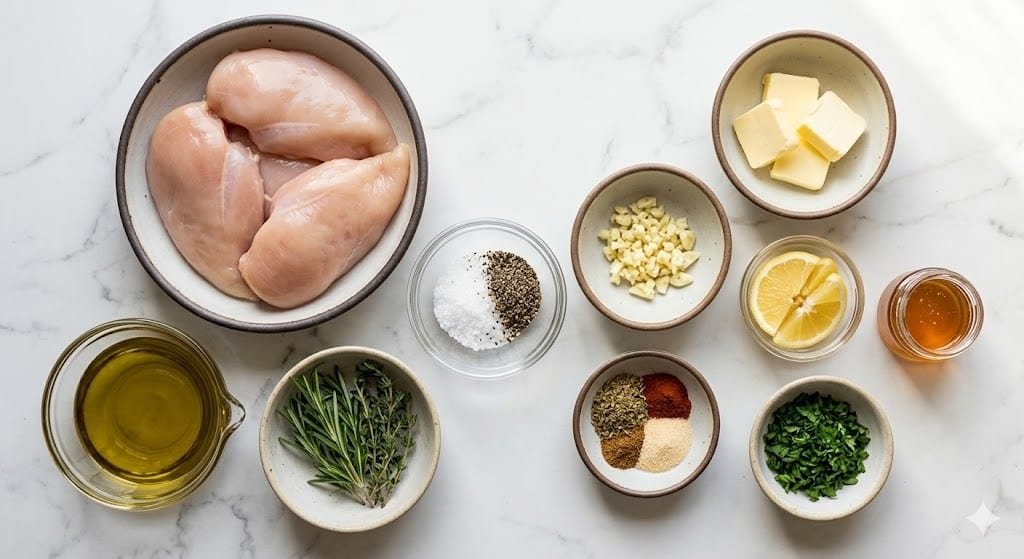
- 2 large chicken breasts (about 300g/10oz each; I sometimes use tenders if that’s all that’s left in the fridge)
- 1 tablespoon olive oil (grandma swore by sunflower oil, but honestly, who’s that picky?)
- 1 teaspoon salt (I use coarse sea salt but table salt’s fine, really)
- 1/2 teaspoon black pepper (not super fussy here—just whatever’s around)
- 1 teaspoon garlic powder (or a minced clove if I feel like chopping)
- 1 teaspoon smoked paprika (sometimes sweet paprika if I grab wrong, tastes pretty similar)
- 1/2 teaspoon dried oregano (my mum likes herbs de Provence, but it’s basically herbs by another name)
- Optional: a dash of lemon juice (when I remember, I squeeze half a lemon; otherwise, I skip it)
How to make it, step-by-step (with side quests)
- Preheat your oven to 220°C/425°F. I try to remember this before getting chicken all over my hands, but sometimes I forget and have to pause midway.
- Pat the chicken breasts dry with paper towels. No one told me this step was important, but it really is—the seasoning actually sticks better.
- Place the chicken on a smallish baking tray (line it with foil if you hate washing pans—my top hack). Drizzle with olive oil, rubbing it in with your hands. It’s a bit messy, but hey, that’s what soap is for.
- Sprinkle salt, pepper, garlic powder, paprika, and dried oregano all over both sides. Pat it in. Seriously, don’t just dump it—use your fingers. I usually end up re-seasoning one spot I missed.
- If you’ve got lemon juice handy, toss that on now. Doesn’t make or break it, in my opinion, but it does add a nice zing.
- Bake for 18–22 minutes. Start checking at 18—every oven is as moody as a teenager. This is where I usually sneak a peek (and sometimes a little cut to check if it’s really done).
- Important (no skipping!): Let the chicken rest on a cutting board for 5 minutes before slicing. I used to think this step was optional; it’s not. It really helps keep the juices in—promise.
- Slice and serve however you fancy. Often, I pile mine on top of rice with whatever sad veggies are left in the crisper drawer.
My random notes from the trenches
- Don’t use too much oil, or the chicken will just sort of float and become weirdly rubbery. Learned that the gross way.
- If you forget the resting step (I still do, honestly), expect a little juice puddle on your cutting board. It’s not the end of the world, just mop it up.
- You can totally use chicken that’s a bit thinner or thicker—just adjust the time. If it’s super thick, cut it in half horizontally. That’s called butterflying, but I just call it getting on with things!
Variations I’ve tried (or regret trying…)
- I swapped paprika for curry powder once—pretty wild. Not bad, just unexpected.
- Once, I slathered barbecue sauce all over at the start. Burned into a black layer, so now I just brush it on in the last 5 minutes if I’m feeling BBQ-ish.
- Tried marinating overnight with yogurt and spices for a faux-tandoori thing; honestly, a bit much for a weeknight, but tasty on a weekend.
Gear you need (and what to do if you don’t have it)
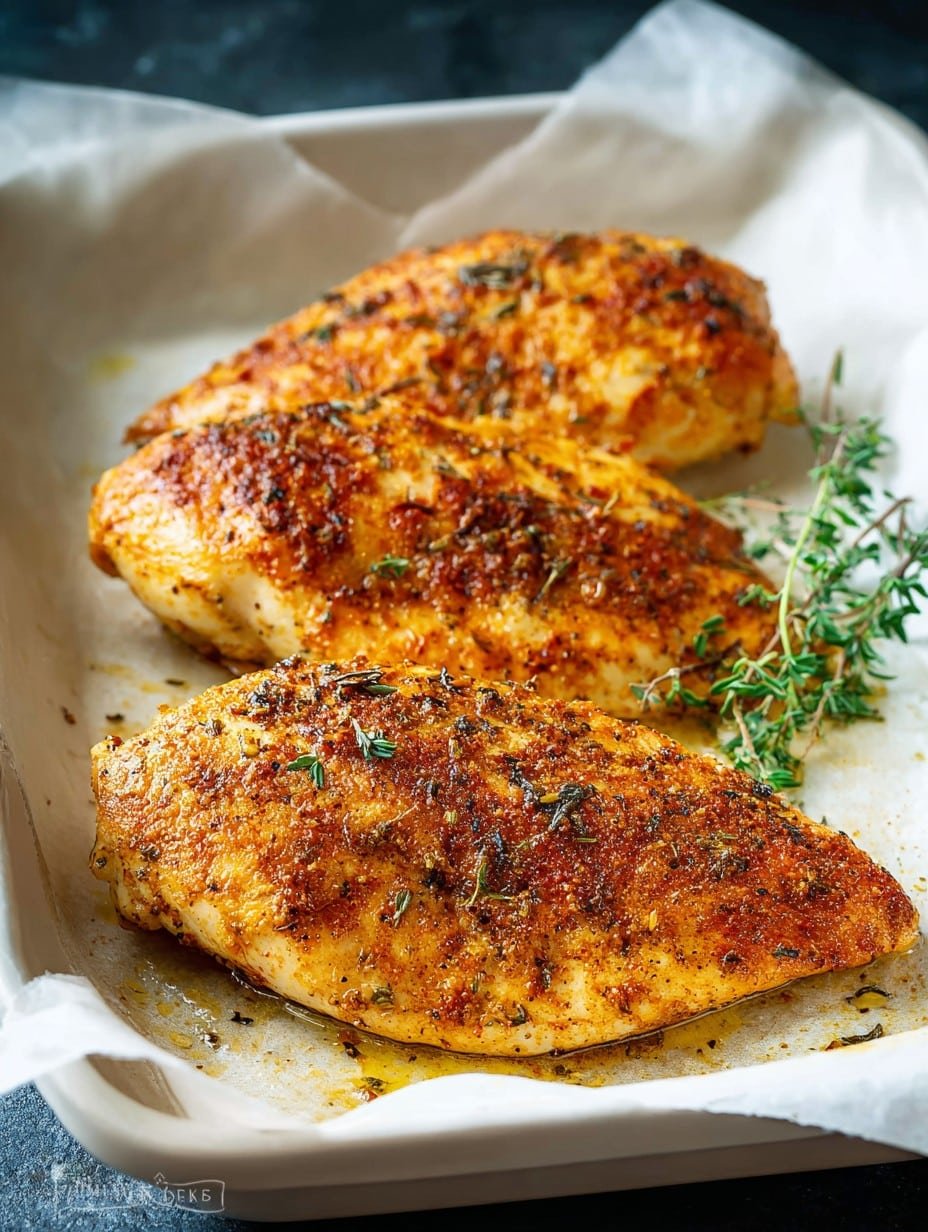
- Baking tray or small roasting pan (I’ve just used a Pyrex dish plenty of times; it’s all good)
- Foil or baking paper if, like me, you hate scrubbing pans
- Sharp knife for slicing (dull ones just… mash chicken. Not fun.)
- No meat thermometer? I just cut into the thickest part—if there’s no pink and juice runs clear, I’m happy.
How to store it (if there’s any left)
If you do end up with leftovers—rare event, but possible—pop them in a lidded container in the fridge. Good for about 3 days, or so I’ve read, though honestly, in my house it never lasts more than a day! I sometimes chop leftovers right into sandwiches or top salads for emergency lunches. Once tried freezing and it came out a bit spongy, so I just stick to fridge now.
How I like to serve it up
This is one of those “serve it with anything” deals. Rice, mash, tossed into wraps, or, if you’re really British about it (like my cousin!), cold chicken slices with a mountain of salad cream. Sunday roast leftovers, anyone? Sometimes I serve it with oven roasted potatoes and steamed broccoli, but honestly, I’m usually scooping it right onto leftover rice from the night before. Old habits die hard.
Pro tips (a.k.a. what went wrong that I hope won’t for you)
- Don’t rush the resting. I once went straight from oven to plate and it turned into a small flood. Not my finest hour.
- If you’re heavy-handed with the salt, chicken breast is not forgiving. Taste your seasoning hand—err on the side of less, you can always sprinkle after.
- Ovens are sneaky. Sometimes my chicken is perfectly juicy at 19 minutes, other days it’s more like 22. No real science, just keep an eye (and nose) out.
Questions I actually get asked (usually just before dinner)
- “Can I use chicken thighs?” Sure, though you’ll need to bake ’em a bit longer, and they’ll be juicier. Honestly, they’re a bit more forgiving if you’re worried about overcooking.
- “What if I don’t have paprika?” No stress—try a mix of cumin and chili powder or even just leave it out. It’s not a dealbreaker!
- “Do I have to marinate it first?” Nope, unless you really want to. I usually don’t, unless it’s Sunday and I’ve planned ahead (which, let’s be fair, isn’t often).
- “My oven runs cold—help?” Just add a few extra minutes and maybe use an oven thermometer if you have one. Or just trust your gut—the old look-and-prod test works for me.
- “Can I make it ahead?” Absolutely. Actually, I think this tastes better the next day, but then again, cold chicken is in a league of its own around here.
And on a totally unrelated note, did you know some people eat leftover chicken straight from the fridge as a midnight snack? Not that I’d know anything about that. (Ahem.)
Ingredients
- 2 large chicken breasts (about 300g/10oz each; I sometimes use tenders if that’s all that’s left in the fridge)
- 1 tablespoon olive oil (grandma swore by sunflower oil, but honestly, who’s that picky?)
- 1 teaspoon salt (I use coarse sea salt but table salt’s fine, really)
- 1/2 teaspoon black pepper (not super fussy here—just whatever’s around)
- 1 teaspoon garlic powder (or a minced clove if I feel like chopping)
- 1 teaspoon smoked paprika (sometimes sweet paprika if I grab wrong, tastes pretty similar)
- 1/2 teaspoon dried oregano (my mum likes herbs de Provence, but it’s basically herbs by another name)
- Optional: a dash of lemon juice (when I remember, I squeeze half a lemon; otherwise, I skip it)
Instructions
-
1Preheat your oven to 220°C/425°F. I try to remember this before getting chicken all over my hands, but sometimes I forget and have to pause midway.
-
2Pat the chicken breasts dry with paper towels. No one told me this step was important, but it really is—the seasoning actually sticks better.
-
3Place the chicken on a smallish baking tray (line it with foil if you hate washing pans—my top hack). Drizzle with olive oil, rubbing it in with your hands. It’s a bit messy, but hey, that’s what soap is for.
-
4Sprinkle salt, pepper, garlic powder, paprika, and dried oregano all over both sides. Pat it in. Seriously, don’t just dump it—use your fingers. I usually end up re-seasoning one spot I missed.
-
5If you’ve got lemon juice handy, toss that on now. Doesn’t make or break it, in my opinion, but it does add a nice zing.
-
6Bake for 18–22 minutes. Start checking at 18—every oven is as moody as a teenager. This is where I usually sneak a peek (and sometimes a little cut to check if it’s really done).
-
7Important (no skipping!): Let the chicken rest on a cutting board for 5 minutes before slicing. I used to think this step was optional; it’s not. It really helps keep the juices in—promise.
-
8Slice and serve however you fancy. Often, I pile mine on top of rice with whatever sad veggies are left in the crisper drawer.
Approximate Information for One Serving
Nutrition Disclaimers
Number of total servings shown is approximate. Actual number of servings will depend on your preferred portion sizes.
Nutritional values shown are general guidelines and reflect information for 1 serving using the ingredients listed, not including any optional ingredients. Actual macros may vary slightly depending on specific brands and types of ingredients used.
To determine the weight of one serving, prepare the recipe as instructed. Weigh the finished recipe, then divide the weight of the finished recipe (not including the weight of the container the food is in) by the desired number of servings. Result will be the weight of one serving.
Did you make this recipe?
Please consider Pinning it!