Alright, Let’s Talk Sourdough Discard Focaccia
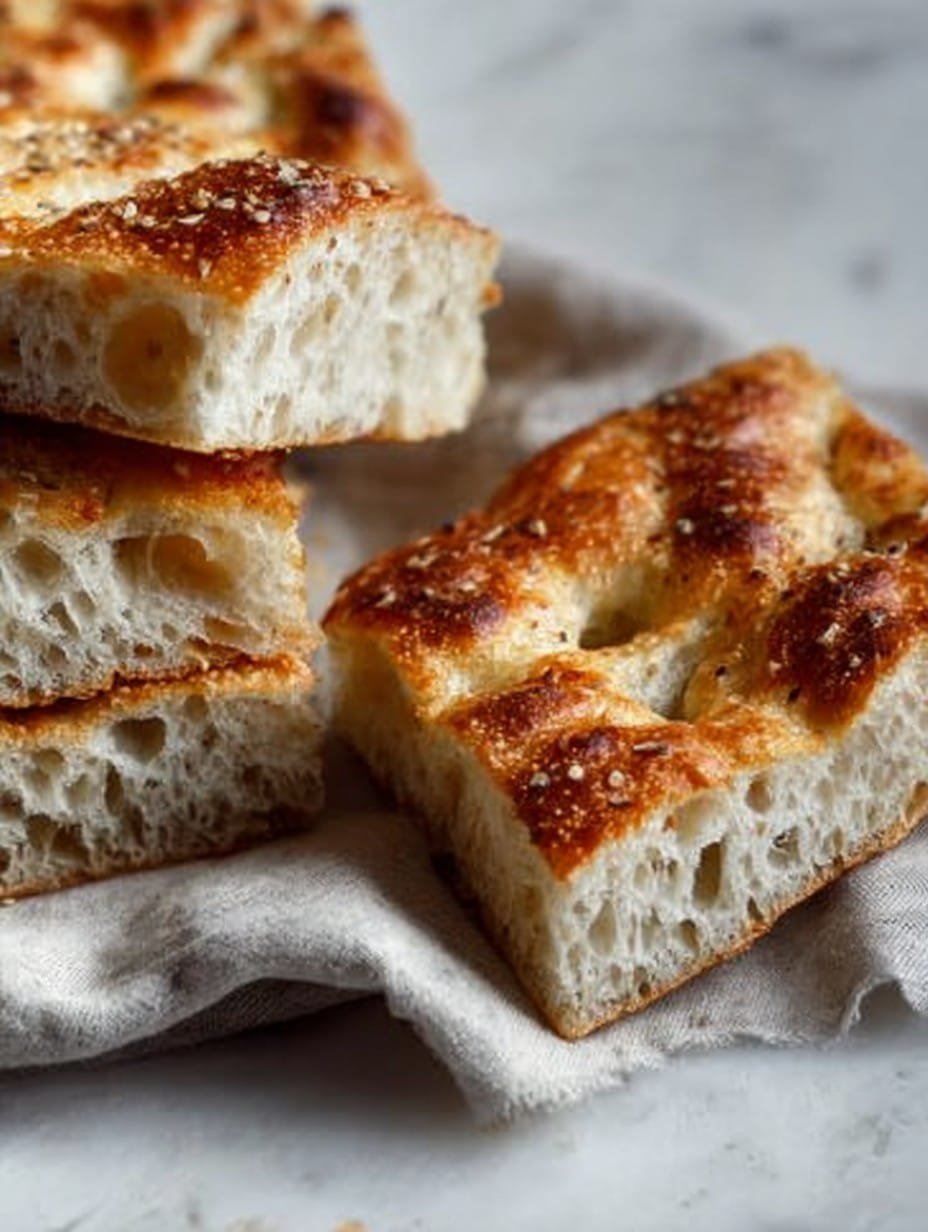
I swear, every couple months I decide to “get serious” about my sourdough starter. And then, predictable as Monday traffic, I end up with way too much discard hanging about—far more than I could ever compost without giving my roses indigestion. That’s where this focaccia comes in. Honestly, I’ve made this so often that my neighbors confiscated a pan last spring (with a note: “more salt next time, please!”). Nothing says community like unsolicited feedback on your carbs. Anyway, if you like focaccia that’s chewy, fluffy in spots, with those little golden crispy edges, you’re in the right kitchen, friend.
Why I Keep Coming Back To This Recipe
I usually make this when “real” bread baking feels like too much of a commitment—sometimes a Saturday, sometimes at the witching hour when dinner is looming and my energy has retreated under the sofa. My family basically cheers when I start poking holes in the dough (the more uneven the holes, the happier they get, go figure). Plus, it uses up a good heap of starter discard, so at least I can call it “thrifty.” Actually, sometimes the dough looks like an absolute mess halfway through and I kind of lose hope. But, and here’s the magic, it always pulls itself together. Mostly. Except that one time I dropped it transferring to the oven, but that’s a story for another day.
What You’ll Need (But, You Know, You Can Fudge A Bit)
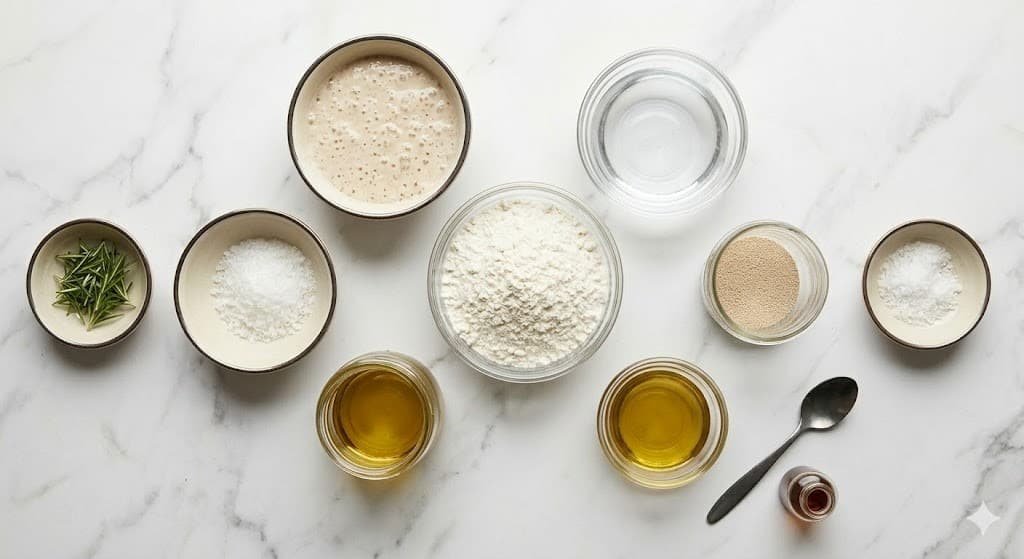
- 2 cups (250g) all-purpose flour (grandma swore by King Arthur, but store brand hasn’t failed me yet)
- 1 cup (240g) Sourdough Discard (just-not-too-young or crazy bubbly, honestly any stage works if you’re desperate)
- 3/4 cup (180ml) warm water (I sometimes use cold if I forget to warm it—works but takes longer, just FYI)
- 1 teaspoon instant yeast (if you like the risk, try it without, but I like insurance)
- 1 1/4 teaspoons kosher salt (table salt is fine; I won’t tell anyone)
- 2 tablespoons olive oil (plus a big glug for drizzling—buy the fancy stuff if you like, but even basic is good)
- Fresh rosemary, chopped (I’m lazy, so sometimes I use dried)
- Flaky sea salt for topping (I use Maldon, but a little extra table salt works in a pinch)
- Optional: roasted garlic cloves, sliced olives, cherry tomatoes—whatever gets you excited
How To Make Sourdough Discard Focaccia (I Promise It’s Not Too Much Work)
- In a big bowl, stir together your flour, salt, and yeast. (Sometimes I use a fork, sometimes a wooden spoon—honestly, whatever’s nearby.)
- Add your sourdough discard and warm water. Splash in 2 tablespoons olive oil. Mix until a shaggy, sticky mess forms—don’t overthink it if there’s a stubborn patch of dry flour. You’re aiming for no major floury pockets.
- Cover the bowl with a damp tea towel or some cling film. Let it sit at room temp for 1-2 hours. On a chilly day, I stick it by the radiator. You want it to puff up and look a bit like a bouncy cloud (mine sometimes goes wibbly-wobbly on humid days—don’t stress).
- Once it’s risen, drizzle a tablespoon of oil in a 9×13-inch pan (or whatever is clean—round, square, even a baking sheet works, it just changes thickness). Plop the dough in, then use damp hands (trust me on the damp—less stick) to gently stretch and press it to the pan’s corners. Don’t worry if it resists; just let it rest for 15 minutes and check an email, then try again.
- When you’re happy-ish with the shape, cover lightly and let it rise for another 45 minutes or so. Meanwhile, go hunt for those rosemary sprigs you always lose at the back of the fridge.
- Preheat your oven to 425°F (220°C). Yes, hot. That’s the whole point.
- Here comes the fun: drizzle a bit more olive oil over the surface; then use your fingers to dimple the dough all over. Pretend you’re playing piano badly. Press in your rosemary, any add-ins, and sprinkle with flaky salt.
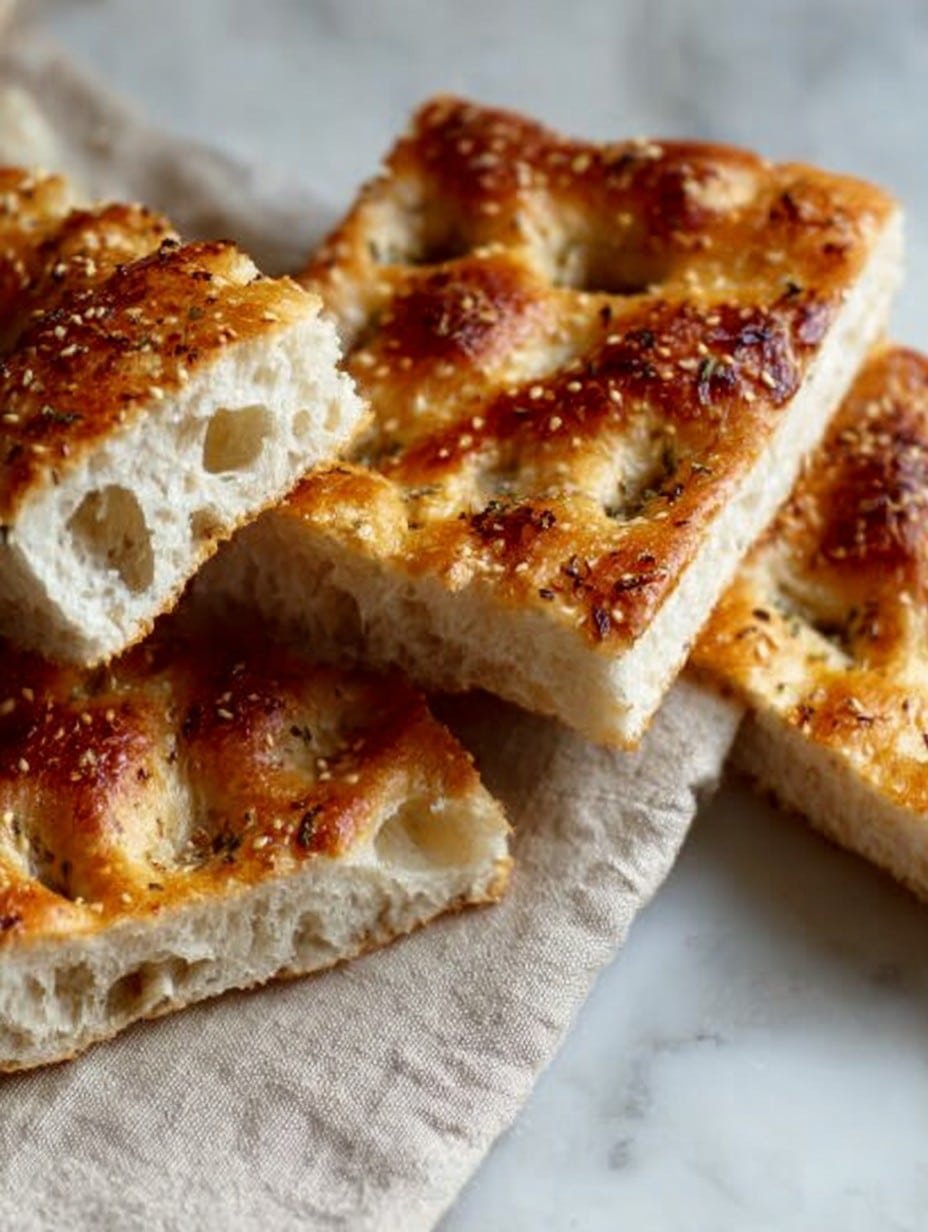
- Bake for 22–26 minutes until it’s golden and the edges are just shy of too crisp. I usually peek at 20 minutes—sometimes I rotate the pan. It smells wild at this point; do NOT taste yet (burnt tongue alert!)
- Let cool for at least 15 minutes before you cut. Or, if you’re like me and lack patience, tear off a corner and vow to learn self-control next time. (I never do.)
Some Notes (a.k.a what I learned the hard way)
- If the dough seems too runny, just add a handful of flour. If it’s too firm, splash in water—it’s forgiving, I swear.
- I once forgot to add the salt entirely; still edible, just a bit sad. Don’t forget the salt, is what I’m saying.
- Leftover focaccia makes killer croutons. If, miracle of miracles, there is any leftover.
Things I’ve Tweaked (Some Worked, Some… Not So Much)
- I tried adding caramelized onions once—amazing—but the time I added sun-dried tomatoes from that dubious jar, it was weirdly metallic. Maybe avoid if yours have been open longer than a royal wedding.
- Chopped roasted red pepper works, but made the dough a little damp. Maybe drain them more than I did.
- I never could get sesame seeds to stick post-bake, so add those before the oven, if you’re into it.
What If I Don’t Have…?
- No stand mixer? No problem; that’s what elbows and a wooden spoon are for. Sometimes I even just use clean hands (messy but fun—less so if you forget to take off rings, though).
- If your pan is on the smaller side, just let it go taller and bake an extra minute or two.
Storing Leftovers (Or, the Disappearing Focaccia Mystery)
Honestly, I almost never get to this point, but if you do, just wrap what’s left in foil and keep on the counter for a day, maybe two. After that, it gets a bit chewy (which I actually kind of like, especially toasted with more olive oil). If you want it warm and puffy again, reheat for five minutes in a hot oven—or, real talk, just eat it cold by the fridge light at midnight. I have—no regrets.
How We Actually Eat This
Most times, it ends up next to a bowl of soup (especially tomato, if you want my honest suggestion—dunks like a dream). Sometimes, we go wild and slice it horizontally for impromptu sandwiches. Once, my cousin dipped it in balsamic glaze; she claims it’s “peak fancy” and I can’t argue. It’s also pretty good with scrambled eggs the next morning (if there’s any left, ha!).
Hard-Earned Focaccia Wisdom
- Don’t try to speed up the second rise by cramming it near a heater. I did, and the crust turned weirdly tough. Just let it do its thing.
- Seriously, use enough olive oil—you’ll thank me. Dry focaccia is just bread. Oily focaccia is a lifestyle.
- If you overbake, all’s not lost—slice it thin, toast it, call it rustic Italian crackers and serve with cheese. Boom.
Real Questions People (Okay, Mostly My Friends) Ask Me
- Can I make this without yeast? Yes, if your starter’s lively enough, but mine’s sometimes a little slouchy, so I add a pinch for good measure.
- Is sourdough discard safe to eat? 100%! Unless you’re using some science experiment gone moldy—then, uh, don’t.
- Can I freeze focaccia? Eh, you can, but the texture gets a bit odd. It comes back best if you toast it right out of the freezer. (If it even makes it there, lemme know your secret!)
- Why’s my focaccia dense? Usually means it didn’t rise long enough, or your discard was shy on bubbles. Try leaving it longer next time! Or just call it “rustic” and serve anyway.
Now, if you’ll excuse me, I probably left the oven on. Happy baking, and don’t blame me if you eat half the pan “to check doneness.” Happens to the best of us.
Ingredients
- 2 cups (250g) all-purpose flour (grandma swore by King Arthur, but store brand hasn’t failed me yet)
- 1 cup (240g) sourdough discard (just-not-too-young or crazy bubbly, honestly any stage works if you’re desperate)
- 3/4 cup (180ml) warm water (I sometimes use cold if I forget to warm it—works but takes longer, just FYI)
- 1 teaspoon instant yeast (if you like the risk, try it without, but I like insurance)
- 1 1/4 teaspoons kosher salt (table salt is fine; I won’t tell anyone)
- 2 tablespoons olive oil (plus a big glug for drizzling—buy the fancy stuff if you like, but even basic is good)
- Fresh rosemary, chopped (I’m lazy, so sometimes I use dried)
- Flaky sea salt for topping (I use Maldon, but a little extra table salt works in a pinch)
- Optional: roasted garlic cloves, sliced olives, cherry tomatoes—whatever gets you excited
Instructions
-
1In a big bowl, stir together your flour, salt, and yeast. (Sometimes I use a fork, sometimes a wooden spoon—honestly, whatever’s nearby.)
-
2Add your sourdough discard and warm water. Splash in 2 tablespoons olive oil. Mix until a shaggy, sticky mess forms—don’t overthink it if there’s a stubborn patch of dry flour. You’re aiming for no major floury pockets.
-
3Cover the bowl with a damp tea towel or some cling film. Let it sit at room temp for 1-2 hours. On a chilly day, I stick it by the radiator. You want it to puff up and look a bit like a bouncy cloud (mine sometimes goes wibbly-wobbly on humid days—don’t stress).
-
4Once it’s risen, drizzle a tablespoon of oil in a 9×13-inch pan (or whatever is clean—round, square, even a baking sheet works, it just changes thickness). Plop the dough in, then use damp hands (trust me on the damp—less stick) to gently stretch and press it to the pan’s corners. Don’t worry if it resists; just let it rest for 15 minutes and check an email, then try again.
-
5When you’re happy-ish with the shape, cover lightly and let it rise for another 45 minutes or so. Meanwhile, go hunt for those rosemary sprigs you always lose at the back of the fridge.
-
6Preheat your oven to 425°F (220°C). Yes, hot. That’s the whole point.
-
7Here comes the fun: drizzle a bit more olive oil over the surface; then use your fingers to dimple the dough all over. Pretend you’re playing piano badly. Press in your rosemary, any add-ins, and sprinkle with flaky salt.
-
8Bake for 22–26 minutes until it’s golden and the edges are just shy of too crisp. I usually peek at 20 minutes—sometimes I rotate the pan. It smells wild at this point; do NOT taste yet (burnt tongue alert!)
-
9Let cool for at least 15 minutes before you cut. Or, if you’re like me and lack patience, tear off a corner and vow to learn self-control next time. (I never do.)
Approximate Information for One Serving
Nutrition Disclaimers
Number of total servings shown is approximate. Actual number of servings will depend on your preferred portion sizes.
Nutritional values shown are general guidelines and reflect information for 1 serving using the ingredients listed, not including any optional ingredients. Actual macros may vary slightly depending on specific brands and types of ingredients used.
To determine the weight of one serving, prepare the recipe as instructed. Weigh the finished recipe, then divide the weight of the finished recipe (not including the weight of the container the food is in) by the desired number of servings. Result will be the weight of one serving.
Did you make this recipe?
Please consider Pinning it!