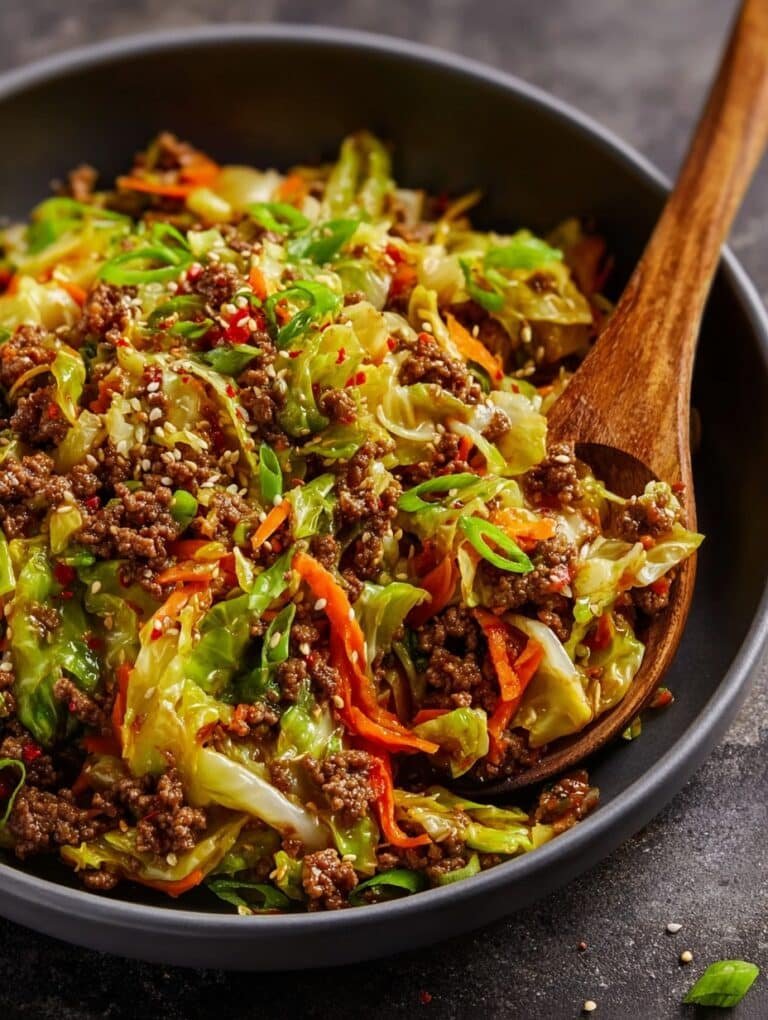
Gather round, this one’s a keeper
Okay, so straight up: I first made this 6-Hour Garlic Butter Chicken on a Saturday when I was supposed to be at my friend Sarah’s birthday, but you know how sometimes life throws a detour (her party got postponed, chicken got eaten). Anyway, I had all these grand plans to smoke out the kitchen, then halfway through, my neighbor popped round to borrow an onion—which I did not have, but I did share a spoonful of this chicken bubbling away in garlicky mischief. She’s asked for the recipe three times since, although I suspect she just wants another bite. Funny how the smell gets the whole block asking what’s cookin’—it’s like the Pied Piper of roasted chicken, except everyone comes running with Tupperware.
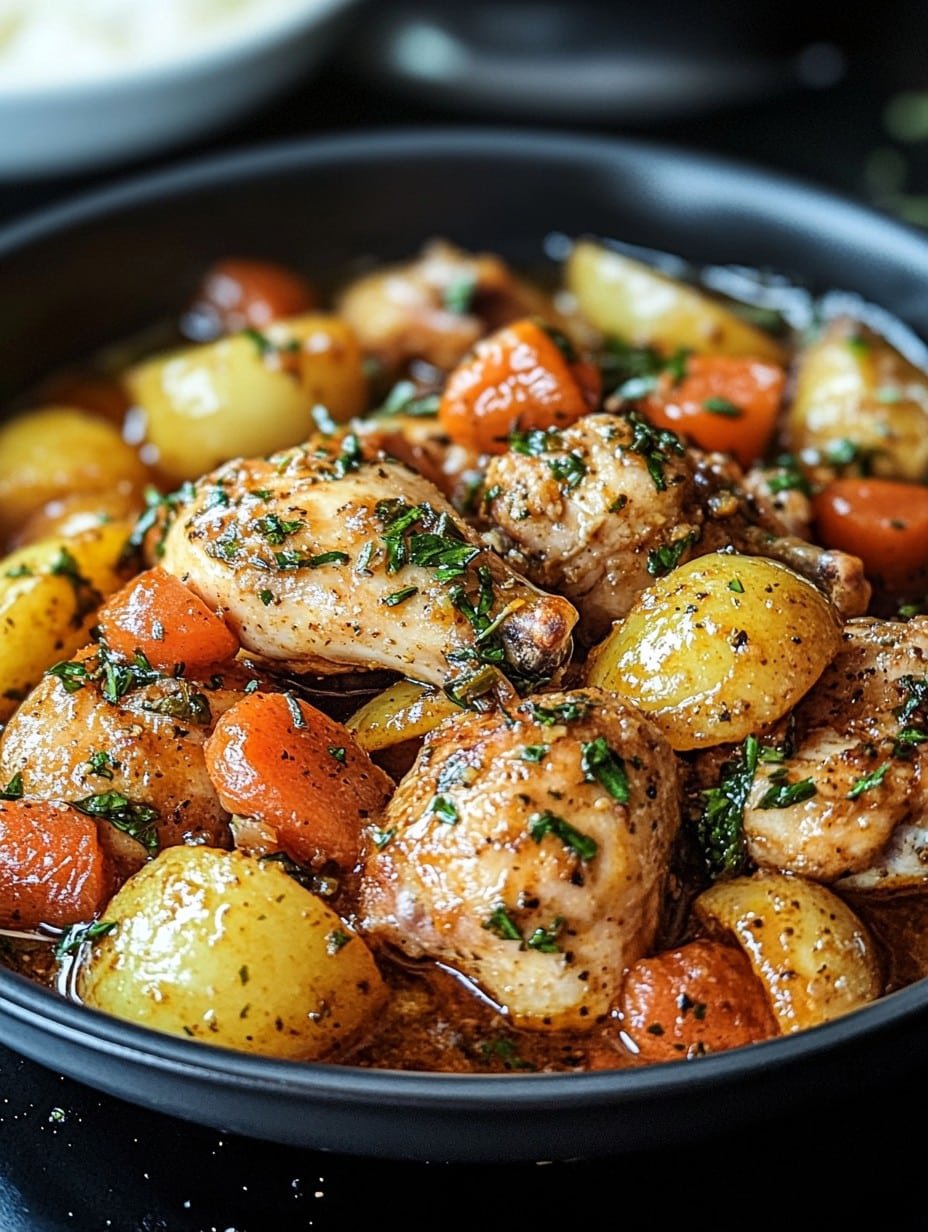
Why This Always Gets Gobbled Up (at least in my house)
I make this when the weather turns grubby, or when my family has that vague, directionless hunger you sometimes get late on a Sunday—like, we need proper food that hugs back. My kids go bonkers for it because the garlic butter goes all syrupy (sometimes they fight for the last bit of pan sauce, it’s a problem). Sometimes I’ve tried to shortcut it—cranking the oven higher or cutting the hours—but truly, the full six hours is where the magic seeps in. Who even knew chicken could get this weirdly luxurious? My only warning is, you’ll keep peeking in because, honestly, it starts smelling pretty irresistible at hour three!
Ingredients (with a few swaps I’ve tried)
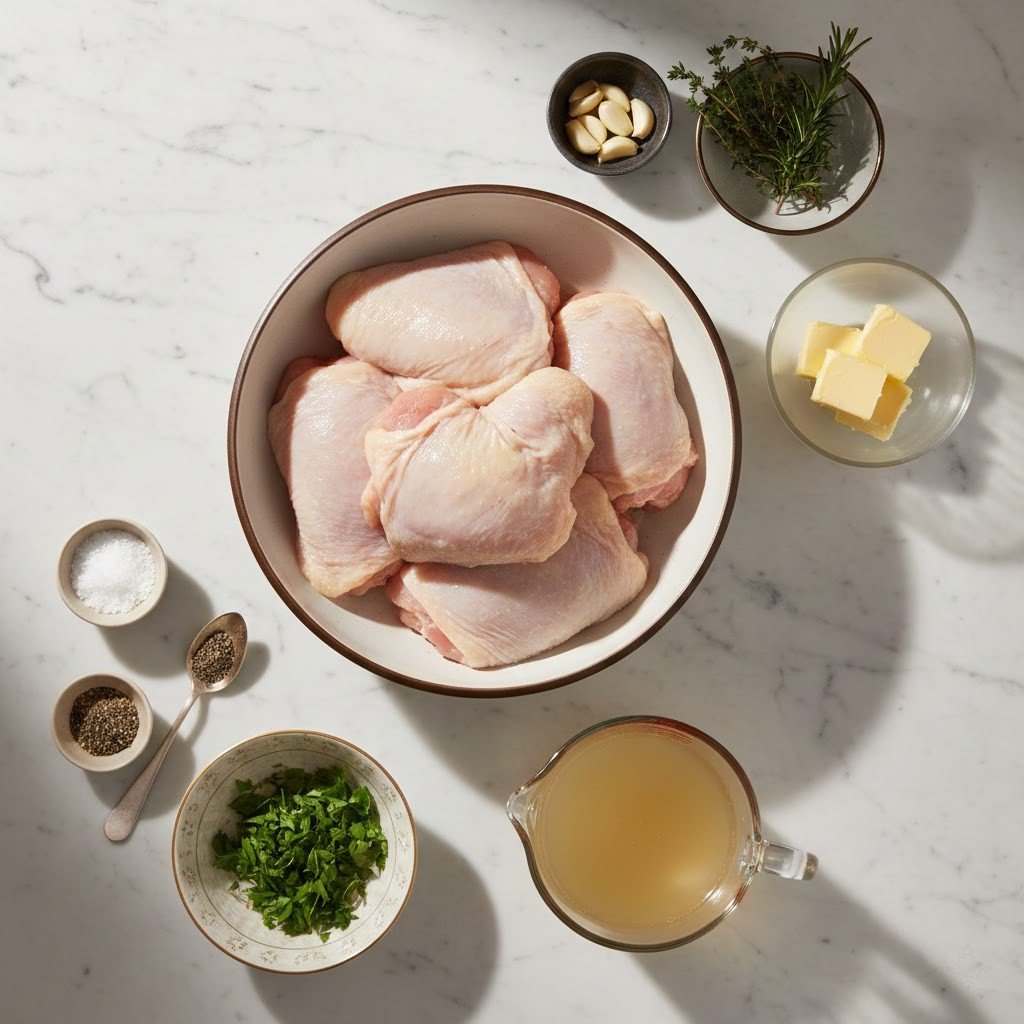
- 1 whole chicken (about 1.5-2kg, but if all you’ve got is thighs or breasts, totally fine—just watch the timing)
- 120g unsalted butter (my grandmother always insisted on Kerrygold, but any halfway decent block will do)
- 10 fat cloves garlic, peeled and smashed (or more, if you don’t have a date the next day)
- 1 lemon, cut in half (I sometimes use a couple of limes if I’m out—gives a different zing, not bad!)
- 2-3 sprigs fresh thyme (or a big pinch of dried—honestly, don’t sweat it)
- 1 teaspoon kosher salt (don’t tell anyone, but I’ve totally dumped in table salt and no one noticed)
- 1/2 teaspoon black pepper (fresh cracked is best, but let’s not get precious)
- 1/2 cup chicken broth (or white wine, if that’s what’s open—sometimes water in a pinch)
- Optional: a few shallots, quartered (adds sweetness—sometimes I chuck them in if I’m feeling fancy)
How I Get from Raw Bird to Bliss (step-by-step-ish)
- Preheat your oven to 120°C (250°F). Yes, that low. It’s not a typo. Low and slow—go on, trust me.
- Pat your chicken dry with kitchen paper. Plop it breast-side up into a big Dutch oven or roasting pan (whatever you’ve got—don’t overthink).
- Gently slide your fingers under the skin over the breasts, making a little pocket (this part feels weird, but it’s worth it). Shove half the butter and half the smashed garlic in there. (Possibly a couple thyme sprigs, if you fancy.)
- Rub the rest of the butter all over the bird. Like, give it a good spa day. Season generously with salt and pepper.
- Stuff the lemon halves and any leftover garlic/those thyme sprigs into the cavity. If you’re using shallots, toss them in the pan around the chicken.
- Pour the chicken broth or wine around (not over) the chicken. That’s important—it helps make a ridiculously good sauce.
- Cover tightly with foil or a lid. Pop into the oven. Walk away. Read a book, or tidy that one drawer you keep meaning to. Let it go for 6 hours, checking maybe once or twice to make sure there’s still a bit of liquid hanging out in the bottom (if dry, add a splash more broth).
- At hour 6, uncover, bump heat to 220°C (425°F) and roast another 15-20 mins to get the skin all crisp and golden. Watch out—this is where I usually sneak a cheeky taste, burning my tongue.
- Pull it out, let it rest for 10-ish minutes (or more, if you forget, it’ll forgive you). Spoon the buttery sauce over before serving.
Stuff I’ve Learned (the not-so-pro chef notes)
- I once used salted butter because I couldn’t find unsalted, didn’t change much but ease up on the salt if you try it.
- If you skip the basting at the end, the skin doesn’t get as lovely—so just go for it, even if you’re rushing to set the table.
- I find, actually, that warming the broth before adding it makes the sauce meld better (or maybe I’m imagining it!)
- Oh, and don’t use too much lemon or it starts to overpower the butter; learned that one the hard way…
My Wild Chicken Experiments
- I tried tossing in a glug of cream at the end once—tasted like chicken alfredo gone rogue. Not entirely sure it’s for everyone.
- Swapped in rosemary instead of thyme: pretty punchy! Maybe I’ll do half-and-half next time.
- Tried to add potatoes into the same roasting pan; they turned out oddly mushy. Just do them separately (trust me).
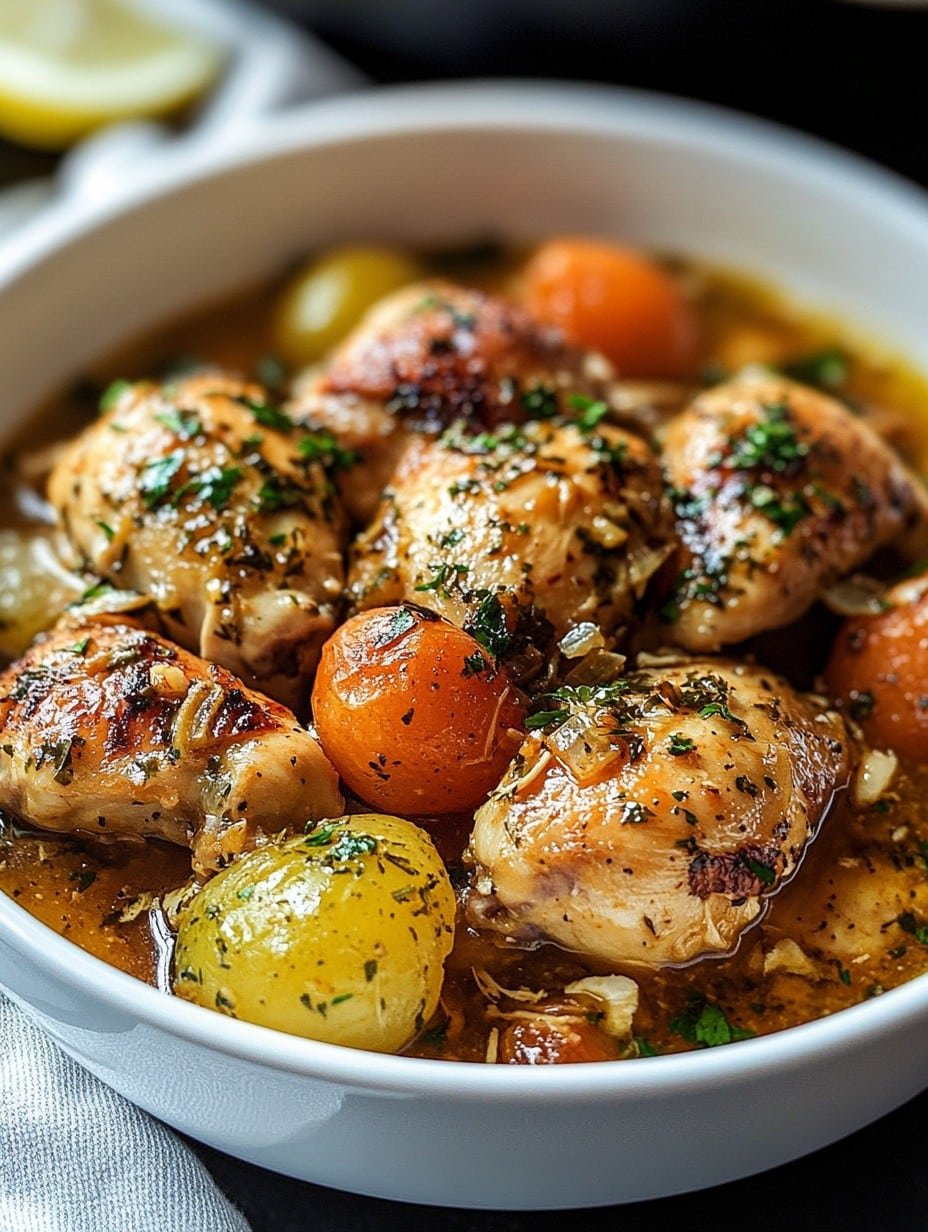
What You Actually Need (and what can fudge)
- A Dutch oven or deep-ish roasting pan with lid. Or, honestly, just double-layer foil if nothing else is clean.
- Basting brush is nice for the end bit, but I’ve totally used a spoon, or, once, a spatula (don’t ask).
- Boning knife makes carving easier, although I’ve been known to just sort of hack at it with a bread knife.
How to Store (not that it hangs around)
Cooled leftovers go into an airtight tub in the fridge; should last 3 days. Though honestly, in my house, it never lasts more than a day—my son eats it cold for breakfast like it’s fried chicken. If you somehow have extra, it freezes decently for a month or two. Thaw overnight before reheating gently. Or just stand by the fridge and nibble with your fingers, no judgement.
How I Like to Serve It Up
Spoon lots of that buttery sauce over everything. Over creamy mash, on a herby rice pilaf, or tucked into fresh baguette (that’s how my uncle eats it, with his sleeve rolled up so it drips less). Sometimes I scatter some chopped parsley but—let’s be honest—it’s more out of habit than necessity.
If You Fancy Yourself a Chicken Whisperer (my actual real tips)
- I once tried to rush the oven preheat, and the chicken didn’t cook evenly, so, lesson learned: give it time to get nice and cozy in there from the start.
- Don’t be shy with the smashing on the garlic—slices just don’t melt in the same way.
- Starting with a dry bird (pat, pat, pat) helps the butter stick better, otherwise it just slides off and you end up with patchy flavor.
Burning Questions (and slightly odd answers)
- Can I cook this faster on a higher temp? Technically you could but honestly, you lose out on that slow magic. If you’re in a rush, it’s better to cook pieces instead of the whole chicken.
- Does it have to be fresh thyme? Not at all. I’ve used dried, even oregano that one time. Just try not to overdo it—some dried herbs are a bit shout-y.
- Is this too garlicky? Some folks say so, but my crew love it just like this. If you’re garlic-shy (is that even a thing?), back off a clove or two.
- Can I make this in the slow cooker? You probably can, although in my ancient slow cooker it turned out a tad soggier. The oven gives that dreamy skin. But do what works with your gadgets!
- Why does my chicken turn out dry? Either oven’s running hotter than you think or not enough liquid in there. I sometimes just keep a cup of broth handy, just in case.
- What else goes well with this? Simple green veg, maybe roasted carrots, and always crusty bread for the sauce mop-up (my favorite part, actually).
- Can I use margarine? Hmm, I mean, yes, but it’s not quite the same bliss. Butter really is the point here. But if you must, load up on more herbs and cross your fingers.
And, quick side note: once, while waiting those long hours, I discovered a long-forgotten puzzle under the couch. Finished the border while the chicken finished itself! All in all, a win.
Ingredients
- 1 whole chicken (about 1.5-2kg, but if all you’ve got is thighs or breasts, totally fine—just watch the timing)
- 120g unsalted butter (my grandmother always insisted on Kerrygold, but any halfway decent block will do)
- 10 fat cloves garlic, peeled and smashed (or more, if you don’t have a date the next day)
- 1 lemon, cut in half (I sometimes use a couple of limes if I’m out—gives a different zing, not bad!)
- 2-3 sprigs fresh thyme (or a big pinch of dried—honestly, don’t sweat it)
- 1 teaspoon kosher salt (don’t tell anyone, but I’ve totally dumped in table salt and no one noticed)
- 1/2 teaspoon black pepper (fresh cracked is best, but let’s not get precious)
- 1/2 cup chicken broth (or white wine, if that’s what’s open—sometimes water in a pinch)
- Optional: a few shallots, quartered (adds sweetness—sometimes I chuck them in if I’m feeling fancy)
Instructions
-
1Preheat your oven to 120°C (250°F). Yes, that low. It’s not a typo. Low and slow—go on, trust me.
-
2Pat your chicken dry with kitchen paper. Plop it breast-side up into a big Dutch oven or roasting pan (whatever you’ve got—don’t overthink).
-
3Gently slide your fingers under the skin over the breasts, making a little pocket (this part feels weird, but it’s worth it). Shove half the butter and half the smashed garlic in there. (Possibly a couple thyme sprigs, if you fancy.)
-
4Rub the rest of the butter all over the bird. Like, give it a good spa day. Season generously with salt and pepper.
-
5Stuff the lemon halves and any leftover garlic/those thyme sprigs into the cavity. If you’re using shallots, toss them in the pan around the chicken.
-
6Pour the chicken broth or wine around (not over) the chicken. That’s important—it helps make a ridiculously good sauce.
-
7Cover tightly with foil or a lid. Pop into the oven. Walk away. Read a book, or tidy that one drawer you keep meaning to. Let it go for 6 hours, checking maybe once or twice to make sure there’s still a bit of liquid hanging out in the bottom (if dry, add a splash more broth).
-
8At hour 6, uncover, bump heat to 220°C (425°F) and roast another 15-20 mins to get the skin all crisp and golden. Watch out—this is where I usually sneak a cheeky taste, burning my tongue.
-
9Pull it out, let it rest for 10-ish minutes (or more, if you forget, it’ll forgive you). Spoon the buttery sauce over before serving.
Approximate Information for One Serving
Nutrition Disclaimers
Number of total servings shown is approximate. Actual number of servings will depend on your preferred portion sizes.
Nutritional values shown are general guidelines and reflect information for 1 serving using the ingredients listed, not including any optional ingredients. Actual macros may vary slightly depending on specific brands and types of ingredients used.
To determine the weight of one serving, prepare the recipe as instructed. Weigh the finished recipe, then divide the weight of the finished recipe (not including the weight of the container the food is in) by the desired number of servings. Result will be the weight of one serving.
Did you make this recipe?
Please consider Pinning it!